Understand your design style before you buy pieces that do not belong together.
Explore the core traits of popular interior styles, see how they work in real rooms, and use the style quiz to narrow your direction with more confidence.
The six style directions and decisions that shape the room most
Most rooms feel off because the style direction is vague or mixed too early, not because they need more products.
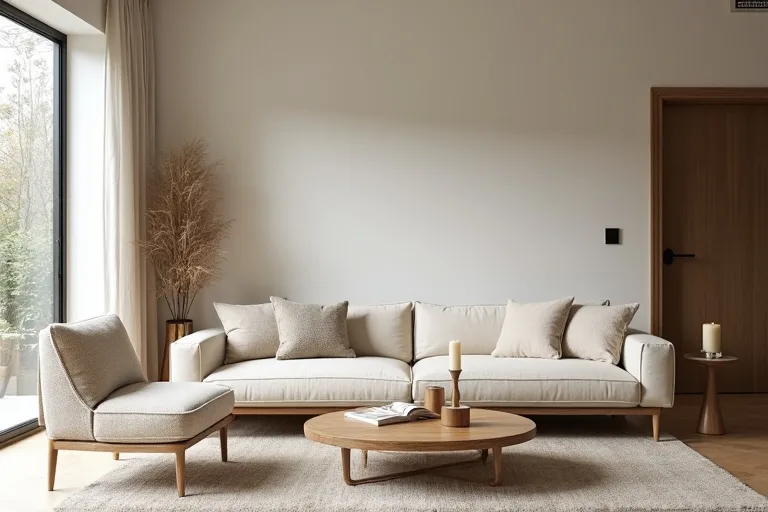
Modern Home Style Guide
Use a cleaner structure, calmer contrast, and sharper restraint when you want the room to feel more modern.
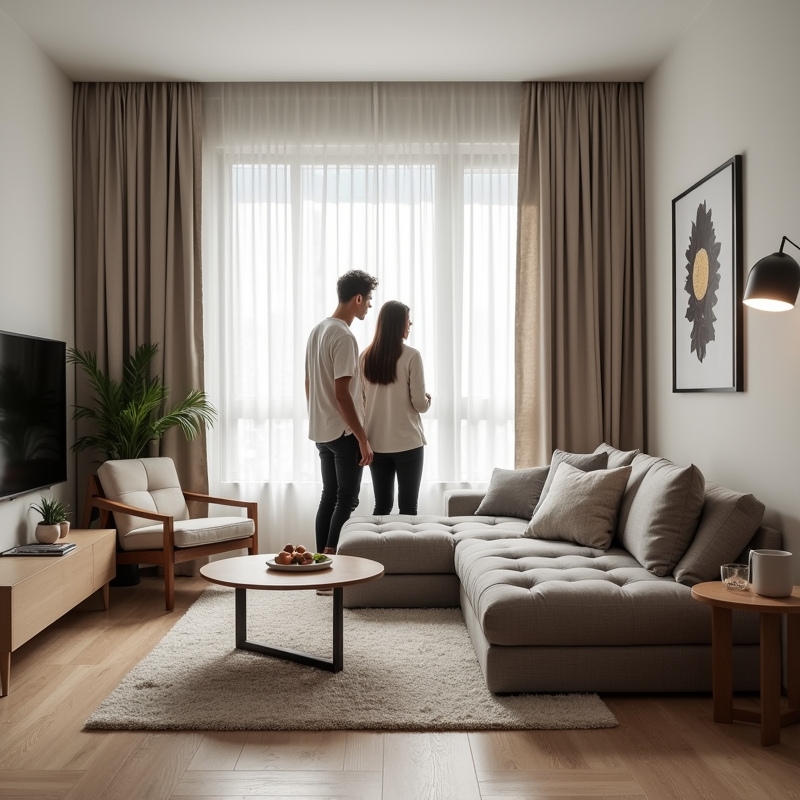
Coastal Home Style Guide
Use lighter layering, softer contrast, and a more relaxed material mix without making the room feel themed.
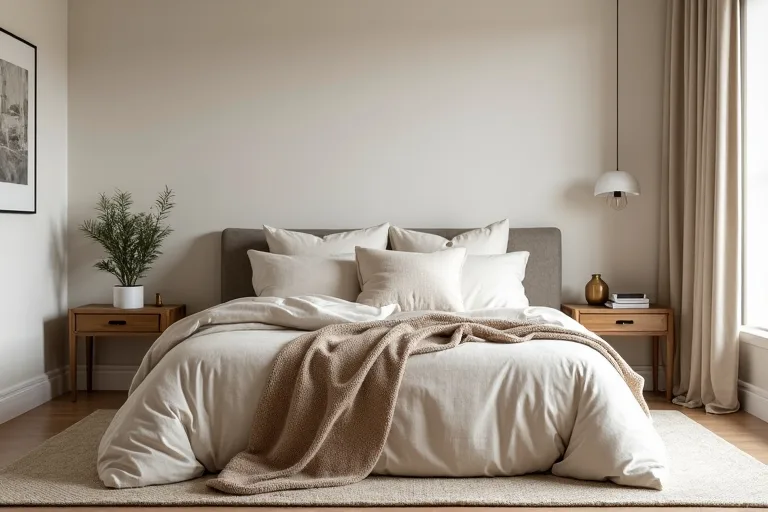
Organic Modern Style Guide
Blend warmer texture and natural softness into a modern base so the room feels calmer and less hard.
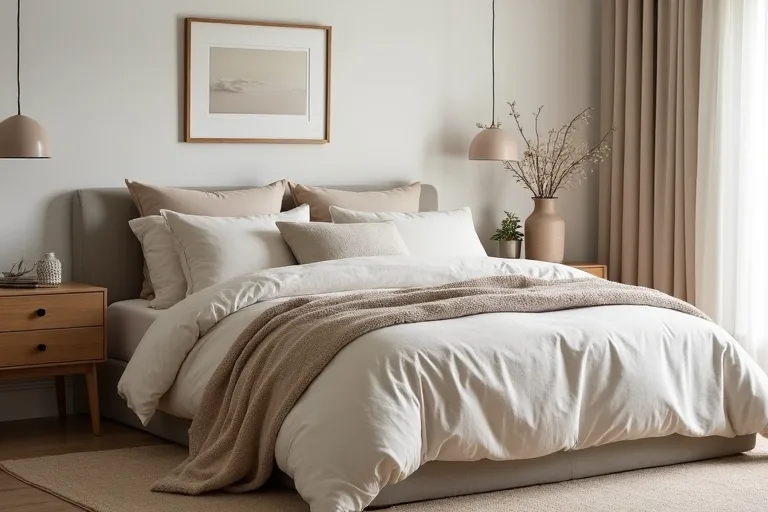
Warm Minimalist Style Guide
Reduce clutter while keeping the room soft, human, and comfortable instead of flat or cold.

Mixing Design Styles
Combine influences more intentionally so the room feels collected and coherent instead of undecided.
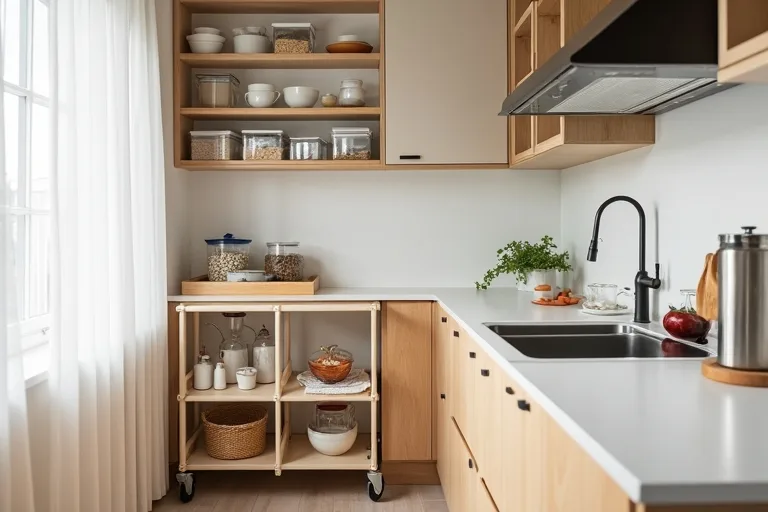
Style by Room Guide
Translate style decisions into living rooms, bedrooms, kitchens, and bathrooms without forcing the same formula everywhere.
Latest design style articles from this category
This section updates automatically and pulls the latest six published posts from the Design Styles category.
Modern Home Style Guide
Use a cleaner structure, calmer contrast, and sharper restraint when you want the room to feel more modern.
Coastal Home Style Guide
Use lighter layering, softer contrast, and a more relaxed material mix without making the room feel themed.
Organic Modern Style Guide
Blend warmer texture and natural softness into a modern base so the room feels calmer and less hard.

Warm Minimalist Style Guide
Reduce clutter while keeping the room soft, human, and comfortable instead of flat or cold.
Mixing Design Styles
Combine influences more intentionally so the room feels collected and coherent instead of undecided.
Style by Room Guide
Translate style decisions into living rooms, bedrooms, kitchens, and bathrooms without forcing the same formula everywhere.
Use the tools that make style decisions clearer
Clarify the direction first, then connect it to layout and room logic instead of buying style pieces in isolation.
Direction
Home Style Quiz
Use the quiz when you like several looks but need a clearer visual direction before you keep buying pieces.
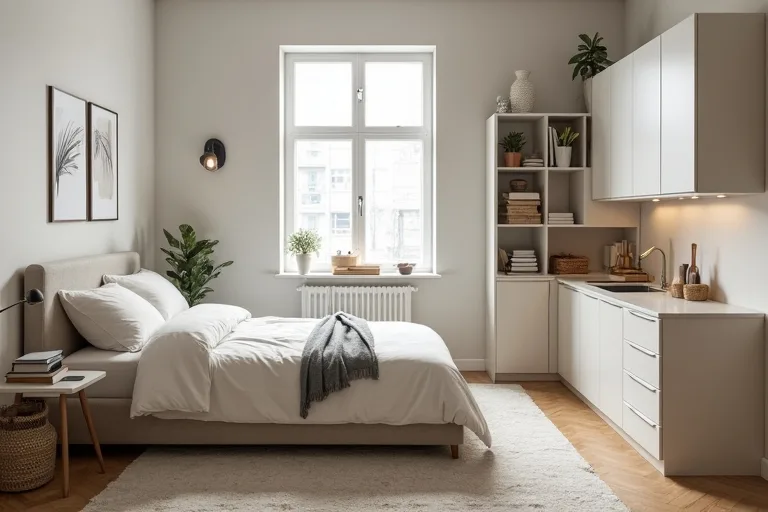
Layout
Room Layout Planner
Make sure the style direction still works with the room footprint, furniture plan, and practical circulation.
Apply
Apply Style in the Living Room
Move into a room hub when you want to see how style decisions translate into layout, scale, and real use.
Budget
Planning & Budget Hub
Use the planning hub to decide what style purchases should happen now, later, or not at all.
Living Room Ideas
Apply style direction inside a room where layout, softness, and furniture scale all need to work together.
Bedroom Ideas
See how style direction changes when the room needs to feel softer, quieter, and more layered.
Kitchen & Dining Ideas
Move into kitchen and dining when the next challenge is applying style to harder surfaces, lighting, and everyday flow.
Helpful pieces once the style direction is clearer
These recommendations fit naturally because they support common style-building moves without locking the whole room too early.
Round Wall Mirror
Useful once the style direction is clearer and you want a versatile piece that can support several looks.
View on AmazonCeramic Vase Set
A softer style layer when the room needs texture and shape without being visually overfilled.
View on AmazonNeutral Throw Blanket
Helpful when the room already works and just needs a softer finishing layer that fits several style directions.
View on AmazonLinen Curtain Panels
Add a stronger sense of style and finish once the room needs softness, height, and more visual coherence.
View on AmazonConnect style decisions to layout, budget, and purchase order before the room starts fighting itself
For people who want to connect their style direction with real room decisions instead of collecting pieces that look good alone but not together.
- one place for room direction, measurements, budget, and purchase order
- clearer comparison of what fits the style and what only looks good in isolation
- fewer style mistakes caused by buying before the room direction is actually clear
Once the style direction is clearer, move into the right room hub and apply it properly
The strongest next step is usually not more inspiration. It is applying the style in a real room with better layout and better sequencing.
Apply Style in the Living Room
Move into the living room hub when you want to see style decisions translated into scale, softness, and furniture placement.
Apply Style in the Bedroom
Move into the bedroom hub when the real priority is making the room feel calmer, softer, and more visually cohesive.
Move into Planning & Budget
Use the planning hub when the style direction is clear enough that you can start prioritizing purchases more intentionally.
Clearer decisions, more transparency, and less guesswork
Styling Homes is built to make room planning, styling, and home decisions easier to understand with practical guides, useful tools, and transparent recommendations.
Get in Touch
Use the contact page for questions, feedback, or partnership inquiries related to the site and its resources.
About Styling Homes
Learn what the project is built for, how the site is structured, and how the guidance is meant to be used.
Editorial Policy
Read how content is planned, how recommendations are framed, and how the site approaches practical home advice.
Affiliate Disclosure
See how affiliate links are used and how product recommendations are placed throughout the site.