
This site is built to make room guidance clearer, more practical, and more transparent.
Styling Homes publishes room guides, planning tools, style content, and recommendation-based pages designed to help readers make better decisions across layout, sizing, decor, and home updates. This editorial policy explains the principles behind how that content is created and how it is meant to be used.
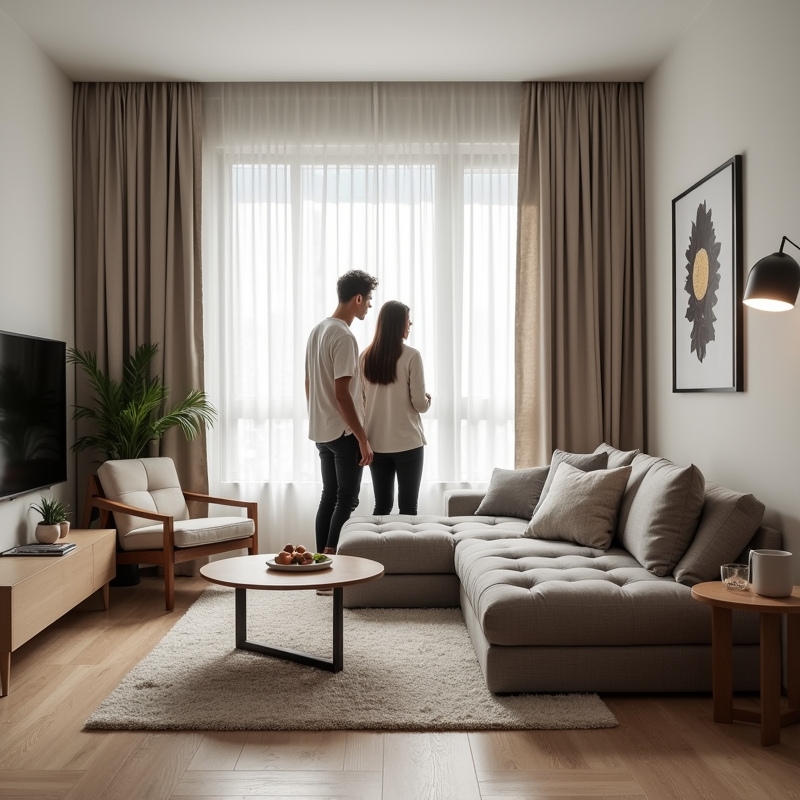
The site follows a few core principles across all room content
These principles shape the tone, structure, and purpose of the site so that readers get guidance that is more useful than random inspiration or overcomplicated design talk.
Prefer clearer decisions over more visual noise
Content is designed to help readers identify the real room problem before layering more objects, purchases, or trends onto the space.
Prefer guidance readers can actually apply
Pages are built to support real room decisions around furniture size, layout, storage, style direction, planning, and budget.
Prefer simplification over unnecessary layering
Many rooms improve more through editing, better hierarchy, and fewer competing signals than through constant additions.
Prefer connected room logic over isolated fixes
Content is structured to connect style, layout, scale, and budget instead of treating each decision as an isolated aesthetic choice.
How content is planned and presented on the site
Styling Homes includes guides, room hubs, style pages, planning tools, calculators, and recommendation-driven content. These formats are used to support readers at different stages of the decision process.
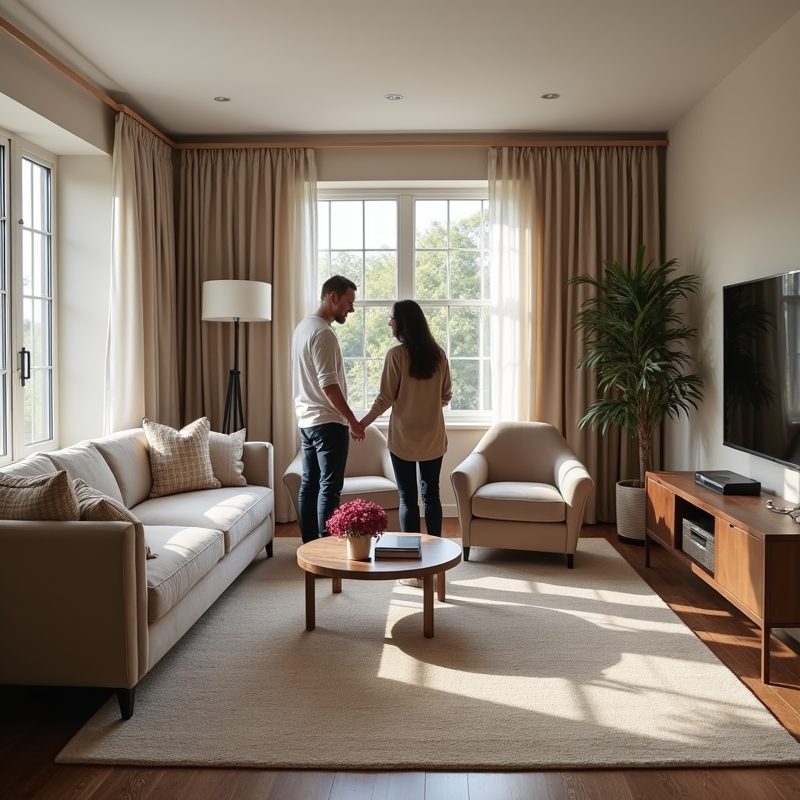
Style and room direction pages
These pages help readers identify what visual direction fits the room best before they start solving details in the wrong style language.
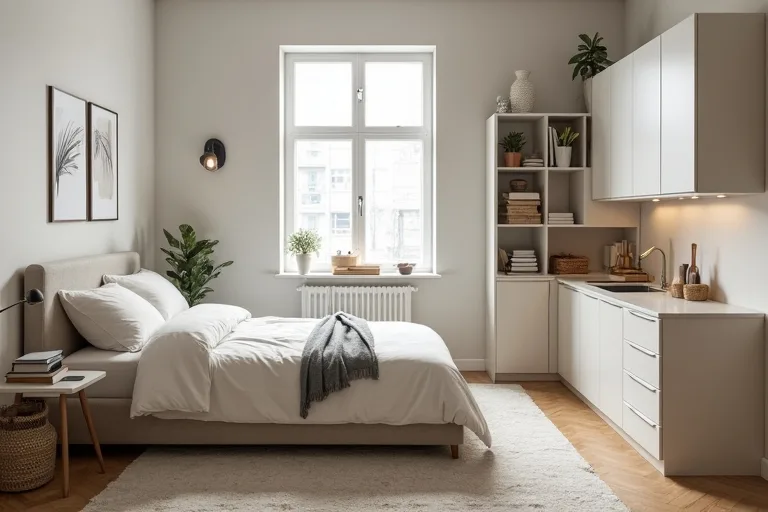
Tools and calculators
These are designed to support measurement-based decisions where size, distance, layout, or project scope matter more than visual preference alone.
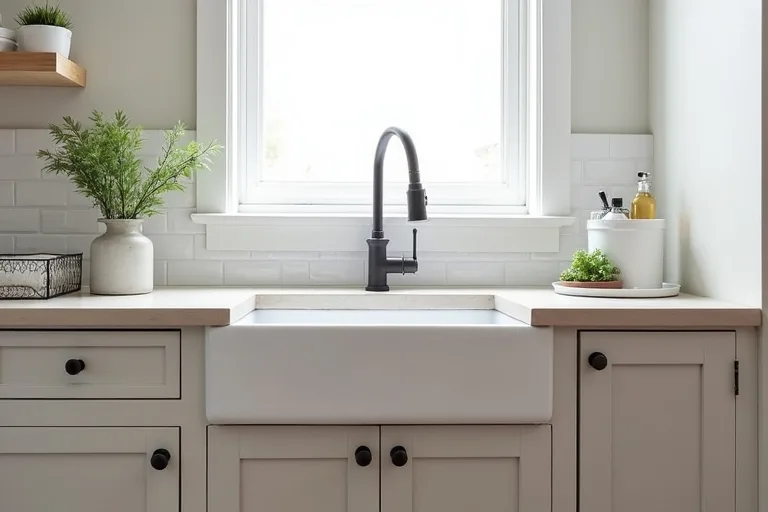
Remodel and budget guidance
These pages are intended to help readers understand scope, prioritization, and spending logic before a room project becomes bloated or misdirected.
How Styling Homes approaches suggestions and product references
Recommendations across the site are meant to support the reader’s decision-making process, not replace thoughtful judgment about the room, the home, or the budget.
Content is intended as practical planning help
The site provides general room guidance, planning logic, and recommendation-based support. It should not be treated as formal architectural, engineering, legal, financial, or contractor-specific advice.
A recommendation is not a universal answer
Whether a product, size, or style direction works depends on the room itself, the reader’s priorities, the home context, and the level of maintenance or budget they are comfortable with.
Many recommendations are designed to work together
Readers are encouraged to use related hubs and tools together rather than treating one isolated page as the full answer to a more complex room problem.
Not every room needs more product suggestions
Some of the strongest improvements come from removing clutter, resizing anchors, improving spacing, or clarifying direction instead of buying more items.
How the site handles transparency, updates, and reader trust
Trust depends on readers understanding how the site works, what content is trying to do, and where monetization or general guidance limits should be clear.
Some pages may include affiliate links
When affiliate links are used, they are part of how the site may earn revenue. This is explained more clearly in the Affiliate Disclosure page.
Pages may be updated, expanded, or refined over time
Room guidance, tool structures, internal linking, and recommendation pathways may evolve as the site becomes more useful and more clearly organized.
Readers should still evaluate fit for their own home
The site aims to support better choices, but final decisions should still account for budget, local conditions, installation requirements, dimensions, and household needs.
Readers are encouraged to use the full trust section
The Editorial Policy, About page, Affiliate Disclosure, and Privacy Policy work together to explain how the site is structured and how it operates.
Read About Styling Homes
Use this when you want a clearer picture of what the site is built for and who it is meant to help.
Read Affiliate Disclosure
Use this when you want more direct transparency on how affiliate links may appear across the site.
Read Privacy Policy
Use this when you want to review the site’s privacy and data-handling information.
Use the site as one connected room system, not as isolated content fragments
Readers usually get the strongest results when they use the room hubs, style pages, and tools together so that the room direction, layout logic, and budget decisions all support the same plan.
- use style pages for direction before buying into the wrong visual language
- use tools when the room needs measurement or planning clarity first
- use budget pages when the project is becoming bigger than a simple styling update
Use the related trust pages for a fuller picture of how the site works
The pages below explain the broader positioning of the site, how monetization is handled, and how privacy information is presented.
About Styling Homes
Understand the site’s overall purpose, positioning, and room-planning focus.
Affiliate Disclosure
Review how affiliate links may appear and how that relates to product references on the site.
Privacy Policy
Read the main privacy and data-related information connected to how the site operates.
Tools Hub
Move into the tools when a room problem needs measuring, estimating, or planning support first.