
Modern interior design works best when the room feels clear, functional, and easy to live in. It is less about chasing a trend and more about making deliberate choices that support the way a space is used.
If you are trying to decide whether modern style fits your home, start with the layout and the basics. Once the room flow is right, the rest of the style choices become much easier to judge.
Modern interior design is clean, simple, and functional, with balanced lines, open space, and a focus on practical choices. The style usually favors neutral or restrained color palettes, simple furniture shapes, minimal visual clutter, and materials that feel honest rather than overly decorative.
What modern interior design style actually means
Modern interior design is often confused with “minimalist” or “contemporary,” but it has its own logic. The core idea is to remove unnecessary visual noise and let the room work efficiently. Furniture tends to have simple outlines. Surfaces feel uncluttered. Storage is planned, not improvised. The result is calm, but it should still feel lived in.
That balance matters. A room can look modern without feeling cold, and it can be practical without looking plain. The strongest modern rooms usually have a mix of clean structure and a few warm details, such as wood tones, textured fabric, or a small amount of soft styling on a table or shelf.
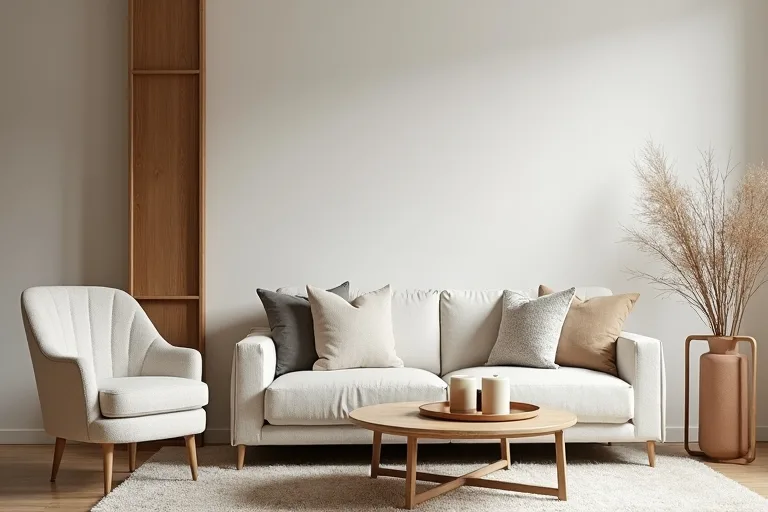
On Styling Homes, it helps to think of modern style as a decision framework rather than a decoration theme. If the room already feels crowded, awkward, or visually busy, the style will only work if the layout and scale are addressed first. For broader style guidance, the Design Styles hub is a useful place to compare modern style with other approaches before you commit.
The real question is not whether a room looks modern in a photo. It is whether the furniture size, storage, and circulation make the room easier to use. If the layout feels tight or the pieces are fighting each other, the style is not the problem yet the planning is.
How to build the look room by room
Modern style is easiest to manage when you design one room at a time. Each space has the same basic goal, but the balance changes depending on how the room is used.
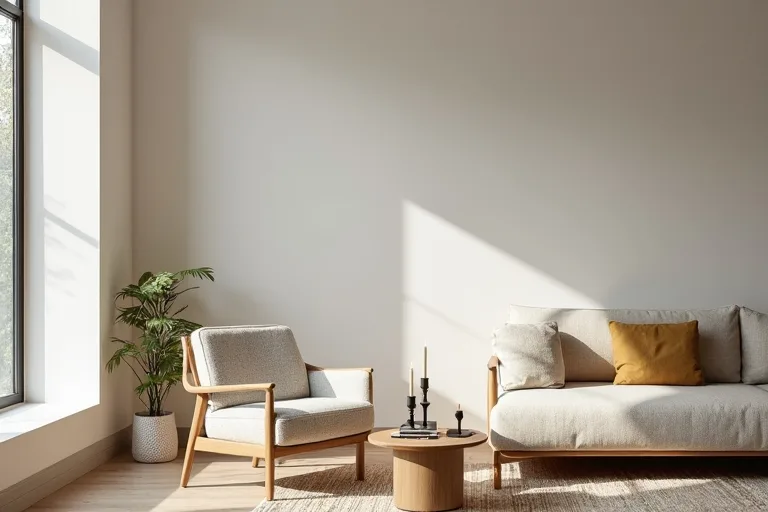
Living room: Start with the sofa size, seating distance, and clear walkways. In a modern living room, the furniture should feel intentional rather than packed in. One or two accent pieces are usually enough. If you are choosing a sofa or chair, test the footprint first with the Room Layout Planner so you can see whether the arrangement still leaves comfortable movement space.
Bedroom: Keep the bed as the main visual anchor and reduce competing furniture where possible. A modern bedroom usually feels better with simple nightstands, limited tabletop styling, and practical storage that hides daily clutter. Soft bedding and a clean headboard shape often do more than extra decor.
Kitchen and dining: Modern style here depends on clarity. Flat surfaces, simple cabinet lines, and visible order matter more than decorative detail. If the room has multiple functions, zoning becomes important so the space does not feel visually crowded.
- Choose the main function of the room first.
- Measure the largest pieces before buying anything new.
- Leave enough open space for daily movement.
- Then add only the finishing details the room still needs.
If you are still unsure whether the style fits your habits, the Home Style Quiz can help narrow the direction before you spend money on decor or furniture.
Colors, materials, furniture, and lighting
Modern interiors usually work best with a restrained palette. That does not mean everything has to be white or gray. It means the room should feel controlled, with a clear relationship between the wall color, flooring, and the main furniture pieces.
Materials matter just as much as color. Smooth painted walls, light or medium wood, matte finishes, simple metal details, and natural fabric textures are all common in modern spaces. A boucle accent chair can fit well when the rest of the room stays calm, because it adds softness without adding visual clutter. For a small styling update, a modern candle holders set can also give a table or shelf enough character without overfilling the room.
Lighting should support the room rather than compete with it. Use practical layers: general light for the whole room, task light where needed, and softer accent light only if it has a purpose. In a modern room, lamps and pendants usually look best when their shape is simple and their placement feels deliberate.
Accessories should be limited and edited. A few good objects will always work harder than a large collection. If you are furnishing gradually, it is often better to buy one useful accent piece than several decorative items that do not improve the room plan.
Common mistakes and the easiest next step
Modern style is forgiving, but a few mistakes can make it feel flat or unfinished. The most common problem is over-reducing the room until it loses warmth. Another is buying pieces that are stylish on their own but too large, too small, or too similar in tone to the rest of the room.
It also helps to avoid mixing too many “almost modern” ideas at once. If every surface has a different finish and every object is trying to stand out, the room stops feeling calm. Modern design usually needs restraint more than decoration.
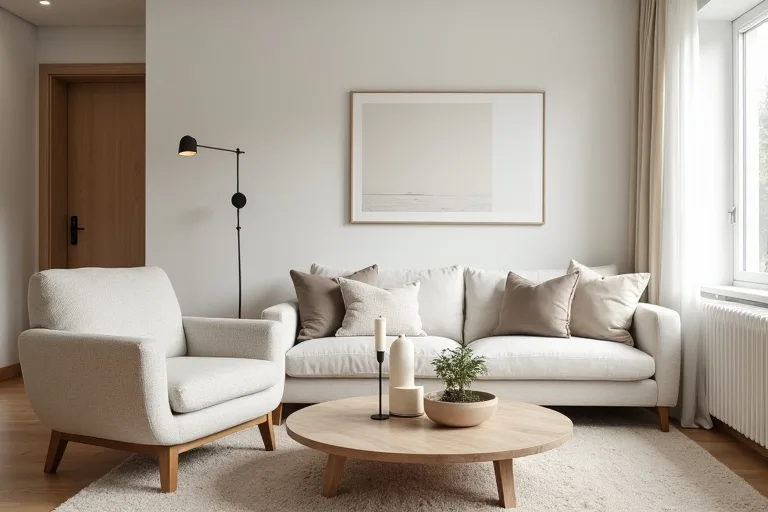
Before buying anything, check whether the furniture plan actually works. If a sofa, chair, or table looks right but interrupts movement or crowds the room, it will not improve the space. The easiest next step is to confirm the layout first and only then refine the styling details.
Best next step
If you want to make the decision easier before buying anything, start by confirming whether modern style fits your home, then test the layout before you shop.
- Buying furniture before checking room flow and scale.
- Making the room so minimal that it feels cold or unfinished.
- Using too many finishes, which makes the space feel busy.
- Choosing decor that looks good alone but does not suit the room plan.
- Skipping storage and expecting styling alone to fix clutter.
Modern interior design style is not about stripping a room bare. It is about creating a clear, functional space with enough restraint to feel calm and enough warmth to feel comfortable. If you get the layout, scale, and storage right first, the style becomes much easier to finish well.
Helpful next tools and planners
If you want to make the decision easier before you buy
Use these only after you have a basic plan in place. They are most useful when you want a small styling finish, a room update, or a simple planning system to keep choices under control.
FAQ
Is modern interior design the same as minimalist design?
Not exactly. Minimalism usually goes further in reducing objects and visual detail, while modern interior design can still include warmth, texture, and a little more personality.
What colors work best in a modern room?
Neutral and muted colors are common, but the best choice is one that supports the room’s light, flooring, and furniture scale. Soft contrast usually works better than sharp contrast.
Can modern style work in a small room?
Yes. In smaller rooms, the style can be especially effective if you keep the layout clear, choose appropriately sized furniture, and avoid overfilling the space.
What should I buy first for a modern living room?
Start with the largest pieces and the layout. Once the sofa, seating, and circulation are sorted, smaller accents are easier to choose without cluttering the room.
Three sensible next steps
Some links in this article may be affiliate links. Read more in the Affiliate Disclosure.