
If you want a modern interior, you do not need to buy everything at once. The look can be built slowly if you are clear about what actually matters in the room: scale, spacing, clean lines, and a few well-chosen finishes.
The real question is not whether modern style is possible on a budget. It is whether you want the room to look modern, feel comfortable, and hold up over time. That is where the difference between a smaller spend and a bigger investment becomes clearer.
Budget works for the look; a bigger investment works for the feel and longevity. If you are styling one room, start with layout, then choose a few modern pieces with simple shapes and a restrained palette.
What modern interior design really needs
Modern style is often described as minimal, but that can be misleading. A good modern room is not empty or cold. It is edited. The furniture has clean shapes, the layout leaves room to move, and the styling is kept calm rather than crowded.
That means you can create the foundation of the style without expensive finishes. A sofa with a simple profile, a table with straight lines, and a consistent palette will do more for the room than a long shopping list of decorative extras.
The safest first step is to think about the room as a whole, not as separate purchases. If the layout works, modern style usually feels easier to build. If the layout is off, even expensive pieces can look awkward.
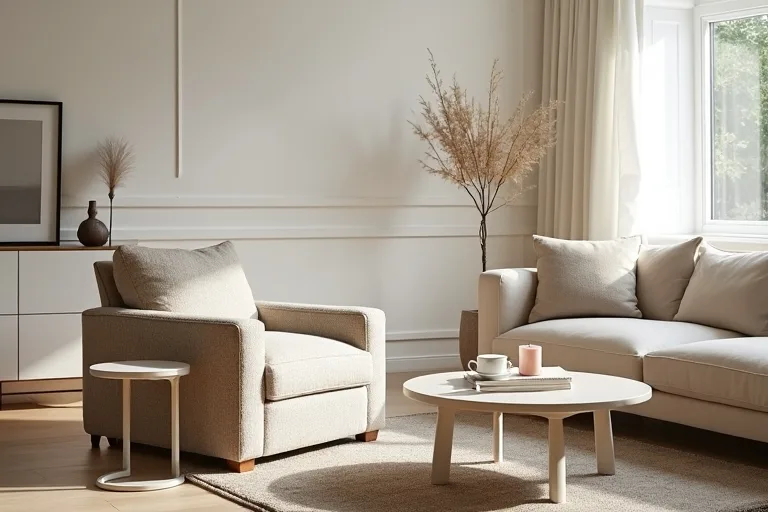
If you want help confirming that direction before you buy, the Home Style Quiz can help you decide whether your room is leaning more modern, soft modern, or something else entirely.
Before you compare prices, ask one simple question: does the room need a stronger layout, better furniture sizing, or just more polished finishes? Most budget mistakes happen when styling is used to fix a planning problem.
The budget version: get the structure right first
The budget approach to modern design works best when you focus on the parts people notice immediately: proportion, spacing, and visual calm. You do not need expensive materials to make a room feel more modern if the furniture is the right size and the surfaces are not overcrowded.
Here is the practical order that usually helps:
- Set the layout so the room has clear walking space.
- Choose one main neutral base, then add one or two quieter accent tones.
- Pick furniture with simple lines instead of ornate details.
- Use a few controlled accessories rather than many small ones.
- Leave some empty space so the room can breathe.
On a budget, the best results usually come from better decisions, not more purchases. A plain sofa can look right in a modern room if the scale works. A basic side table can feel considered if the styling is disciplined.
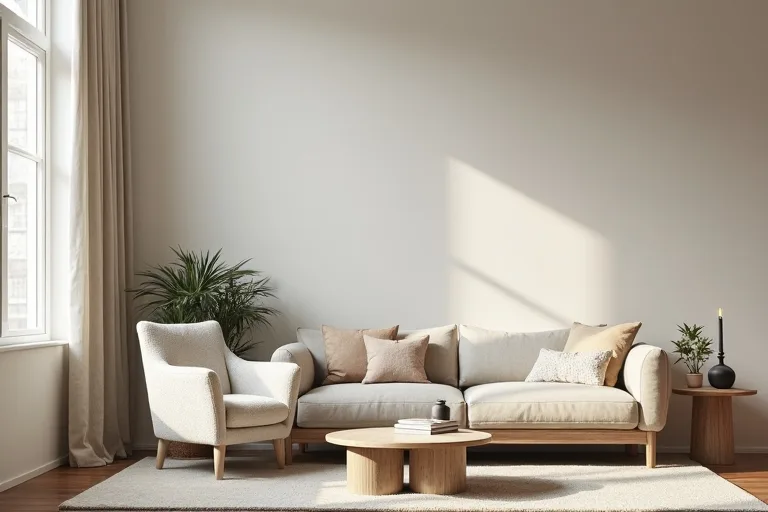
If you are trying to make a small room work harder, the Room Layout Planner is a useful next step before you shop. It helps you see whether a smaller sofa, narrower table, or different arrangement will do more for the room than a new decor purchase.
The bigger investment version: fewer compromises, better long-term feel
A larger budget makes the biggest difference when you want the room to feel settled rather than assembled. That usually means better materials, more comfortable upholstery, stronger joinery, or pieces that fit the space more precisely.
This does not mean you need luxury everything. It means you can spend where the room will benefit most. A well-made sofa, custom or better-fitted window treatments, or a table with a more durable surface can change how the room functions day to day.
The other advantage of a bigger investment is restraint. When the key pieces are strong, the room often needs less styling. That can be a relief if you want a modern space that feels calm rather than heavily decorated.
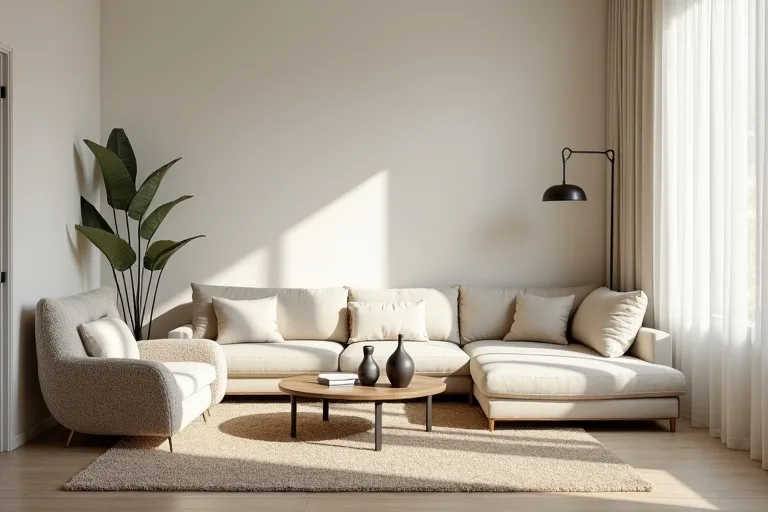
If you are considering one standout piece, a boucle accent chair for living room or bedroom can be a good example of where the premium feel shows up immediately: texture, comfort, and a cleaner silhouette all in one purchase.
For some rooms, a stronger investment also means committing to a more coherent plan before buying smaller extras. That is where a structured planner can save money later.
Where to save and where to spend in a modern room
The cleanest way to decide is to separate items into two groups: things that shape the room and things that finish it. Spend on the first group when possible. Save on the second unless the item is highly visible or used every day.
Good places to save usually include smaller decor pieces, simple storage accessories, and temporary styling items. Good places to spend usually include the sofa, chair, rug, lighting, and anything that affects comfort or scale.
For the finishing layer, a small edit can go a long way. A modern candle holders set is a good example of a modest add-on that can support a modern look without taking over the room. It works best when the main furniture and layout are already settled.
If you want a ready-made planning tool while you compare options, the Home Planning System Bundle, Room Makeover, Small Space, Budget Tool (Digital Download) can help you stay organized as you decide where your money matters most.
When you are ready to check room planning details more carefully, start with the Design Styles hub and then move into a room-specific tool if the furniture or layout is still uncertain.
Best next step
If the room still feels unclear, confirm the style direction and the layout before you buy the bigger pieces. That gives you a cleaner plan and reduces the chance of replacing things later.
- Buying decor before the layout is clear.
- Choosing a sofa or chair that is too large or too small for the room.
- Using too many finishes at once, which makes modern style feel busy.
- Spending heavily on small accessories while saving on the pieces that matter most.
- Assuming a modern room should feel cold instead of calm and usable.
Budget modern design can absolutely work when the room plan is strong and the styling is edited. A bigger investment makes sense when you want better comfort, better materials, and fewer compromises. The smartest choice is usually to spend first on layout and the main furniture, then finish with a small number of modern details that support the room rather than compete with it.
Helpful next tools and planners
If you want to make the decision easier before you buy
These options are most useful after you have a sense of the room plan. They can help you finish the space without drifting into random purchases.
FAQ
Can modern interior design look good on a tight budget?
Yes. If you focus on layout, scale, and a limited palette, the room can look modern without expensive finishes.
What should I spend more on in a modern room?
Spend more on the pieces you use every day and the items that define the room shape, such as the sofa, chair, rug, or lighting.
What is the easiest way to make a room feel more modern?
Reduce visual clutter, use simpler furniture lines, and keep the number of finishes small and consistent.
Do I need to buy everything at once?
No. It is often better to plan the layout first, then add the main furniture, then finish with smaller styling pieces.
Three sensible next steps
Some links in this article may be affiliate links. Read more in the Affiliate Disclosure.