
Small living rooms rarely need a dramatic makeover to feel better. They usually need clearer spacing, better proportion, and fewer decisions made in the wrong order.
If you are choosing between a low-cost refresh and a bigger space-saving upgrade, the best answer is not always the cheapest one. It is the one that improves flow first, then supports the way the room actually works day to day.
Start with layout and rug size first, then choose the cheapest upgrade that improves flow the most. In many small living rooms, that means fixing the room anchor, adjusting furniture placement, and only then deciding whether a budget refresh is enough or a smarter space-saving piece will save you more trouble later.
Start with layout before you shop
A small living room can feel cramped for reasons that have nothing to do with style. The problem is often placement. A sofa that blocks circulation, a rug that is too small, or a lamp that steals floor space can make the room feel tighter than it is.
Before buying anything, look at the room as a simple plan. Where do people walk through? Where does the eye stop? Which items are pulling the room off balance? Once those answers are clear, it becomes much easier to decide whether a budget fix is enough or whether one better-made piece will change the room more effectively.
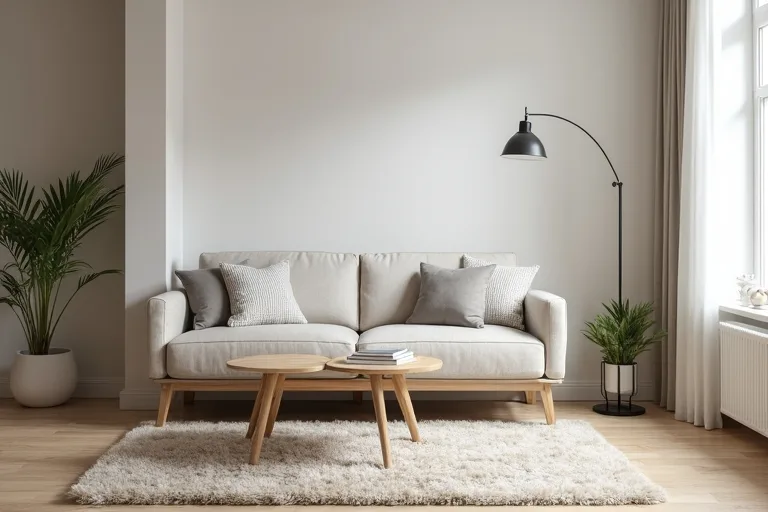
If you want a cleaner starting point, try the rug size calculator first, then move into the room layout planner. That sequence helps you avoid buying around a layout problem instead of solving it.
If the room already feels awkward before you add decor, the answer is usually not more accessories. It is a better layout. If the room feels fine but unfinished, a budget refresh may be enough. If the room feels full and hard to use, one space-saving upgrade may be worth more than several small purchases.
Budget fixes that make the room feel bigger
Budget changes are most effective when they improve proportion, light, and visual order. They work best when the room is already functional but needs to feel calmer and less crowded.
Three low-cost updates usually help the most:
- Use a rug that grounds the seating area instead of floating under only part of it.
- Choose one clear lighting source that reaches the corners without cluttering the floor.
- Pull furniture slightly away from the walls if the room looks pinched by edge-to-edge placement.
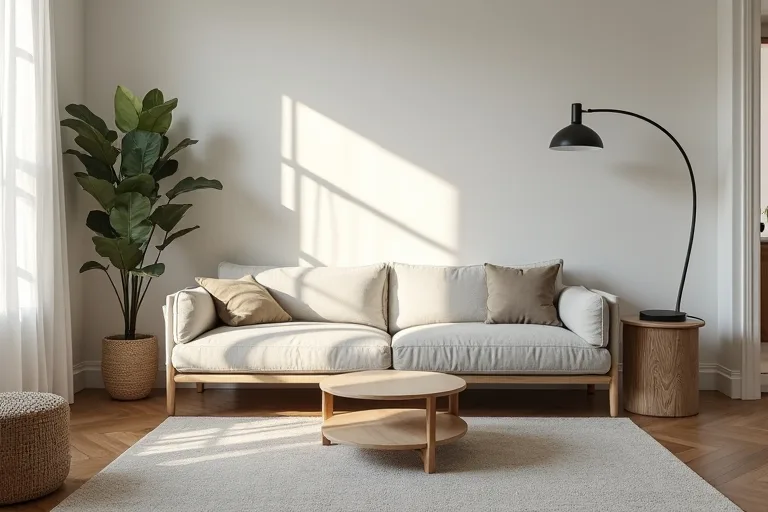
These changes do not require a full redesign, but they can make a small room feel more intentional almost immediately. A neutral rug, for example, can define the room anchor and make the seating area feel settled. A modern arc floor lamp can free up side table space while adding light where a small room needs it most.
When a space-saving upgrade is worth it
Sometimes the better move is not another low-cost fix. If the room is used every day and the same problems keep returning, a single upgrade can save more space, effort, and frustration over time.
This is especially true when one piece is doing the work of two. A storage ottoman can replace a bulky coffee table. A slimmer sofa can open a walkway. A well-sized rug can stop the whole arrangement from feeling scattered. In a small living room, the best upgrade is often the one that removes friction rather than adds more objects.
Use a simple decision order:
- Fix the layout if movement feels awkward.
- Anchor the room with the right rug size.
- Improve lighting if the room feels dim or visually chopped up.
- Upgrade only the item that creates the biggest daily problem.
If you are not sure which item is worth the money, test the arrangement in a planner first. The room layout planner is useful when you want to compare a budget refresh with a more permanent space-saving upgrade before you commit.
Anchor the room with rug size and lighting
For small living rooms, the rug is not just decorative. It is the piece that tells the room where the seating zone begins and ends. If the rug is too small, the room can look chopped up. If it is properly sized, the furniture reads as one calm group.
That is why the rug should usually be decided before the smaller purchases. Once the anchor is right, everything else becomes easier to place: the sofa, the coffee table, the lamp, and any side seating. Lighting then supports the layout instead of competing with it.
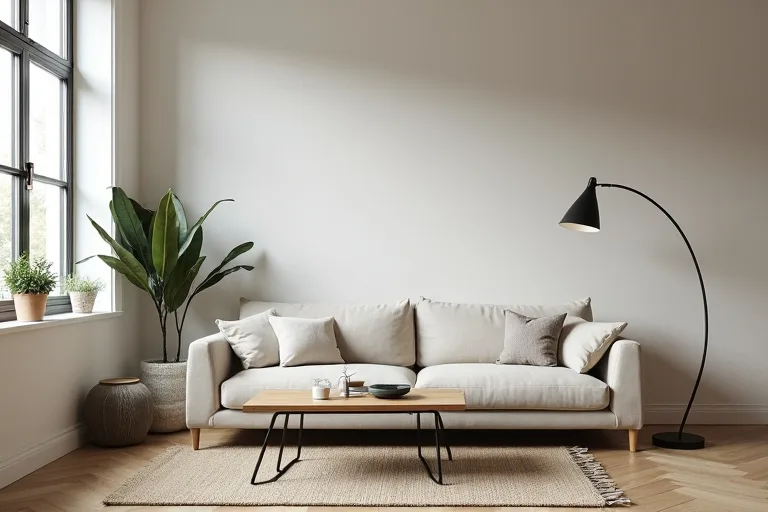
If you are planning the room from scratch, use the rug size calculator to confirm the anchor, then test the rest of the room in the room layout planner. If you prefer to keep the process simple, the Living Room Ideas hub is a good place to compare other practical updates without losing the bigger picture.
Best next step
Before you buy a rug, lamp, or furniture upgrade, confirm the room anchor and test the layout. That will tell you whether a budget refresh is enough or whether one space-saving change will help the room more in the long run.
- Buying decor before checking the seating layout.
- Choosing a rug that is too small to anchor the room.
- Adding more furniture when the problem is really circulation.
- Using several budget fixes when one better upgrade would solve the main issue.
- Skipping the plan stage and hoping the room will come together later.
In a small living room, the smartest choice is usually the one that improves layout first. If the room mainly needs order and proportion, budget fixes can go a long way. If the same space problem keeps showing up, one better space-saving upgrade may be the calmer long-term choice. Start with rug size, test the layout, and let the room tell you where to spend next.
Helpful next tools and planners
If you want to make the decision easier before you buy
These next steps are useful when you are trying to avoid the usual small-room mistakes and want a clearer layout before spending money.
FAQ
What should I fix first in a small living room?
Start with layout and rug size. Those two choices usually affect how open the room feels more than decor does.
Is a budget refresh enough for a small living room?
It can be, if the room already functions well and just needs better proportion, lighting, or visual order.
When should I choose a space-saving upgrade instead?
Choose one when a furniture piece is causing the main problem every day, such as blocked circulation or wasted floor space.
Why is rug size so important?
The rug defines the seating zone. If it is the wrong size, the room can feel disjointed even when the furniture is otherwise fine.
Three sensible next steps
Some links in this article may be affiliate links. Read more in the Affiliate Disclosure.