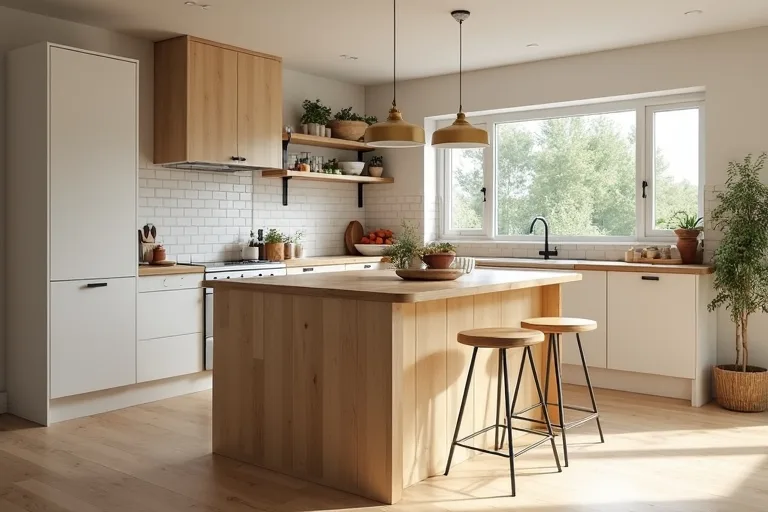
Kitchen island ideas can look straightforward until you start measuring the room, checking clearances, and trying to fit seating into the plan. That is usually where people realize the island they pictured is not the island their kitchen can comfortably support.
The easiest way to make a better decision is to work in the right order: confirm the space, choose the island size, then plan seating, storage, and lighting around that shape. It keeps the room practical and prevents a well-intended upgrade from creating a cramped layout.
Start with island size and clearances, then plan seating, storage, and lighting around the space you actually have. If the room is tight, a smaller island, peninsula, or movable piece may work better than forcing in a full-size island.
Check if an island really fits your kitchen
The first question is not what style island you want. It is whether the kitchen has enough working room for one. A good island should make the kitchen easier to use, not turn circulation into a squeeze.
Before you choose finishes or stools, look at the kitchen as a whole. Measure the open floor area, note where doors and appliance swings land, and check how people move between the sink, cooktop, fridge, and main walkways. If the island blocks that path, it will feel wrong even if it looks good in a picture.
For a clearer sizing check, use the kitchen island size calculator before you settle on a layout. It is a simple way to test whether your room can handle the island size you have in mind.
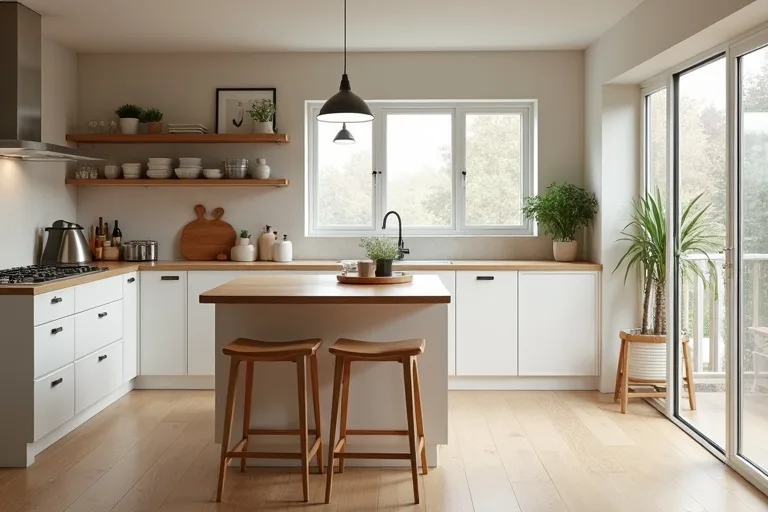
The real decision is not whether an island would look nice. It is whether you can move around it comfortably, open appliances without awkward detours, and still use the kitchen without constant sidestepping.
Choose island size before you think about seating
Seating should come after sizing, not before. A lot of island planning goes off track when the first priority is how many stools fit, instead of what the room can support. Once the island footprint is set, seating becomes easier to judge.
A smaller island may comfortably fit two seats, while a larger one may support more. What matters most is keeping enough depth for people to sit without crowding the work zone behind them. A breakfast bar that steals too much floor space can make the whole kitchen less usable.
Think about the island in layers: counter space, overhang, stool depth, and movement behind the seating. If any one of those elements becomes too tight, the island stops feeling convenient.
- Confirm the island footprint first.
- Decide whether seating is essential or optional.
- Choose the number of stools only after the layout feels balanced.
- Check that seats do not block storage, drawers, or nearby passage.
If you are looking for a simple seating option after sizing, a counter height bar stools set of 2 is often the most practical place to start for a modest island.
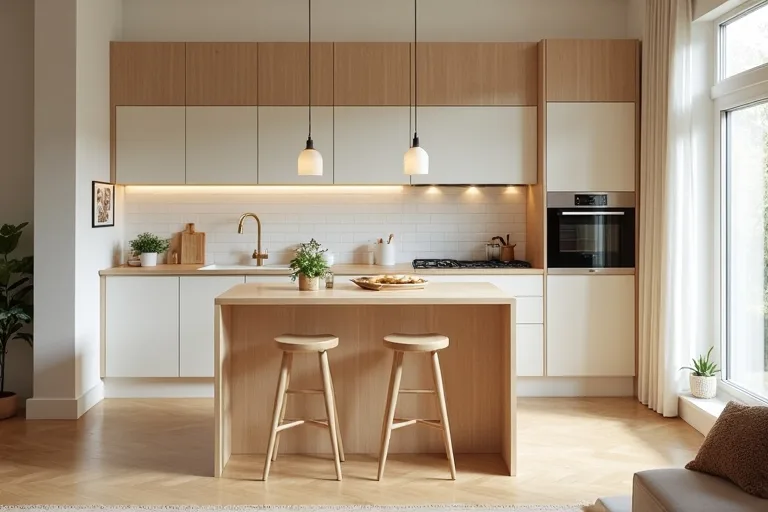
Plan storage, workflow, and lighting as one decision
An island works best when it does more than add a surface. In a busy kitchen, it often needs to support storage, prep, and casual seating at the same time. That means the layout has to be useful from every side, not just visually tidy from one angle.
Storage is usually the easiest win. Drawers, shelves, and hidden bins can make the island feel integrated with the rest of the kitchen rather than added as an afterthought. But storage only works well if doors and drawers open cleanly without colliding with stools or traffic paths.
Lighting matters for the same reason. Pendant lights can define the island and make task work easier, but they should be placed to support the work surface rather than dominate the room. If you are shopping for fixtures, keep the look simple and scale the lights to the island size instead of the room alone. A kitchen island pendant lights set of 2 is often a practical fit for a balanced, everyday layout.
If you want a more structured way to think through the room plan and budget at the same time, a digital planner such as the Room Makeover Planner, Home Layout Budget Spreadsheet can help you compare options before you buy.
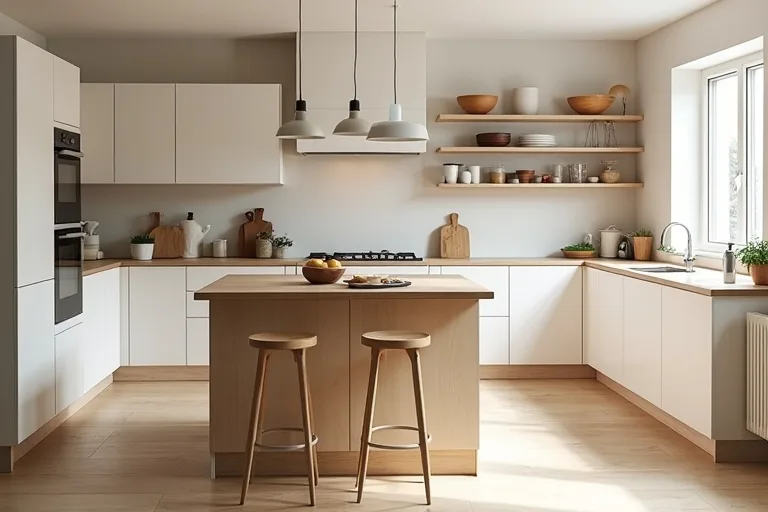
Fixed island, peninsula, or movable cart?
Not every kitchen needs a permanent island. In some rooms, a peninsula gives you similar function with less interruption to circulation. In others, a movable cart or slim worktable is the calmer choice because it adds prep space without locking the layout in place.
A fixed island makes sense when the kitchen has enough width, you want more storage, and the traffic pattern can still stay open. A peninsula can be better when one side of the room is already defined by walls or cabinetry. A movable piece is often the best answer in smaller kitchens where flexibility matters more than a built-in look.
If you are still uncertain, compare the room against your daily routine rather than the idea of a perfect kitchen. Ask what you need most: seating, prep space, storage, or a better gathering point. The right answer is usually the one that supports the way you actually cook and move through the room.
Best next step
Before choosing stools, lights, or finishes, confirm the island size and clearances. That one step will tell you whether a fixed island, a peninsula, or a smaller flexible piece is the better fit.
- Choosing a stool count before checking island depth and clearance.
- Forcing in a large island that narrows the main walking path.
- Adding storage without thinking about drawer and door swing.
- Picking pendant lights before confirming the island size and position.
- Ignoring whether a peninsula or cart would suit the room better.
The best kitchen island ideas start with layout, not shopping. Measure the room, check clearances, choose the island size, and then decide on seating, storage, and lighting. Once the plan is right, the island becomes a useful part of the kitchen instead of a crowded center point.
Helpful next tools and planners
If you want to make the decision easier before you buy
These picks fit the planning stage: one helps confirm fit, one helps you think through the layout, and one supports simple, practical island seating once the size is set.
FAQ
How do I know if my kitchen is big enough for an island?
Measure the open floor space and check that you can move around the island without blocking doors, drawers, or appliance access. If the layout feels tight, a peninsula or smaller island may be the better choice.
Should I plan seating before or after choosing the island size?
After. The island footprint should come first so you can see how much room is left for stools, circulation, and work space.
What is the most practical island lighting choice?
Pendant lights are a common choice because they add focused task lighting and help define the island, but they should stay proportionate to the island size and ceiling height.
When is a peninsula better than a kitchen island?
A peninsula is often better when the room is too tight for a fully separate island, or when you want some of the same function with less impact on circulation.
Three sensible next steps
Some links in this article may be affiliate links. Read more in the Affiliate Disclosure.