
A living room usually feels awkward for one of three reasons: people cannot move through it easily, the furniture scale is off, or the visual weight sits in the wrong place. None of those problems is about style. They are layout problems, and they show up fast once the room is being used every day.
The good news is that most circulation and balance issues can be spotted before you buy anything new. If you measure the room, check the main walk paths, and size the rug to the seating area instead of the floor, the room becomes much easier to arrange.
The biggest mistakes are blocking walk paths, using the wrong furniture scale, and placing rugs too small for the seating area. Start with circulation first, then check balance, then confirm rug size before you shop.
Start with circulation, not decoration
When a living room feels cramped, the problem is often not the amount of furniture. It is the path people have to take through the room. A clear route from doorway to sofa, seating, and windows makes the room feel calmer immediately, even if the furniture is simple.
Try to picture the room as movement first and furniture second. Ask where someone naturally walks, where they pause, and whether they need to squeeze between pieces. If the answer is yes, the layout needs space back. In a busy family room, that can mean moving the coffee table a little, floating the sofa away from the wall, or shifting an armchair so it does not cut across the route.
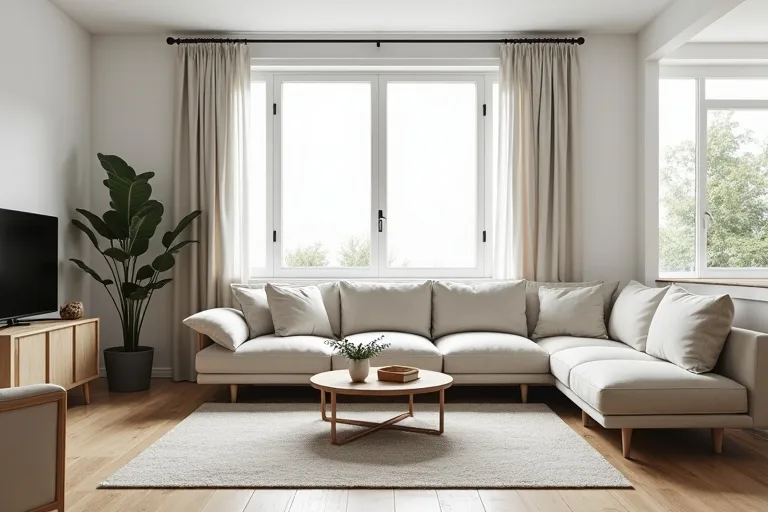
If you are starting from scratch, it helps to map the room before you move anything heavy. The Room Layout Planner is useful for seeing how the main pieces interact before you commit to a real arrangement. For broader planning, the Living Room Ideas hub is a good place to step back and compare approaches.
The real decision is not whether a room looks full or empty. It is whether people can move through it without weaving around furniture. If a layout forces side-stepping, turning, or constant chair shifting, circulation is being sacrificed for the sake of filling space.
Furniture scale can quietly break the room
A room can have enough square footage and still feel wrong if the furniture is mismatched. A sofa that is too large can dominate the seating area and leave no room for side tables or passage. A coffee table that is too small can make the whole setup feel scattered. Even two pieces that are beautiful on their own can look unbalanced when their sizes do not relate to each other.
Balance is not about symmetry. It is about visual weight. If one side of the room holds a deep sectional, a heavy media unit, and a large armchair, the other side needs enough presence to keep the room from feeling lopsided. That might mean a larger lamp, a second chair, or simply giving the smaller pieces more breathing room.
- Check the sofa first, since it usually sets the scale for everything else.
- Then look at the coffee table and side tables so they feel proportionate to the seating.
- Finally, stand back and see whether one side of the room looks heavier than the other.
Small changes often help more than replacing everything. Moving a lamp, changing the angle of a chair, or using two coordinated table lamps can rebalance the room without making it feel overfurnished.
Rug size affects both movement and balance
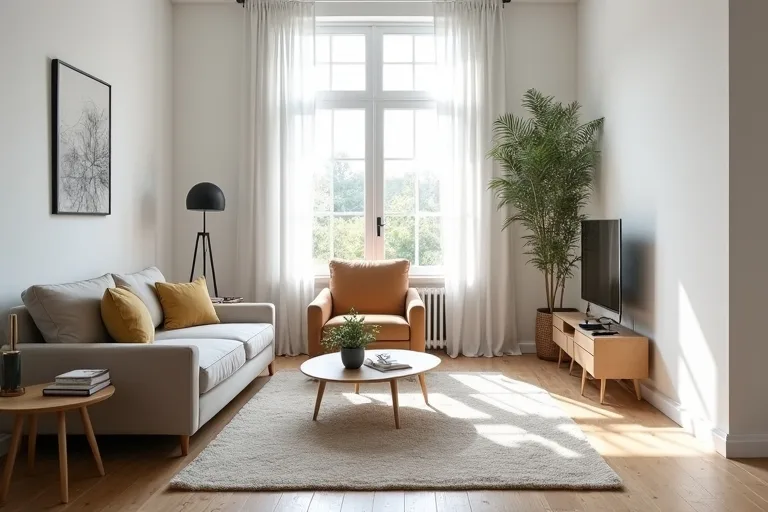
The rug is one of the easiest places to get the proportions wrong. If it is too small, it creates a floating island effect and makes the seating group look disconnected. It can also interrupt movement by forcing awkward steps around the edges of the rug instead of letting the layout read as one complete zone.
A better rule is to treat the rug as part of the seating area, not as a decorative add-on. The front legs of the main seating pieces should usually relate to the rug in a clear way, and the rug should be large enough to anchor the arrangement instead of shrinking it. In open-plan rooms, that anchor matters even more because it helps define where the living zone starts and ends.
If you are not sure what size you need, use the rug size calculator before buying. It is also worth checking the floor protection underneath, especially if the rug sits on a hard surface. A non slip rug pad 8×10 can help keep a larger rug steady once you have confirmed the right size.
A simple pre-purchase check before you buy anything
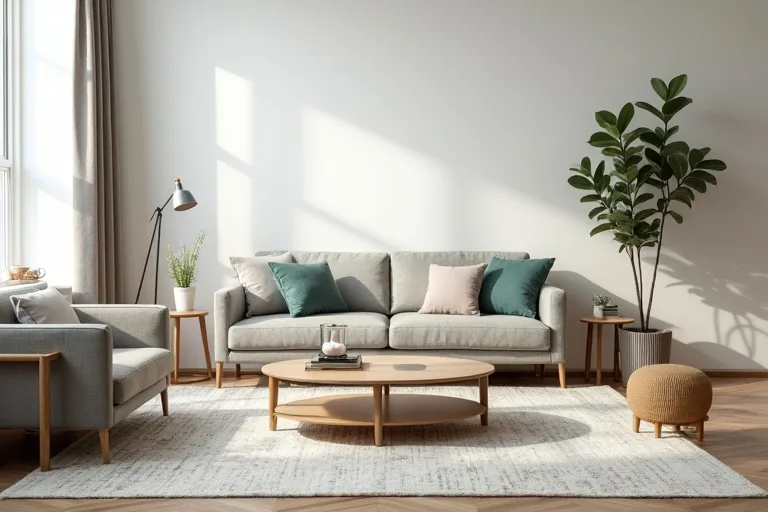
The safest way to avoid layout mistakes is to measure first and shop second. That sounds obvious, but most problems happen when a piece is chosen because it looks right online and then has to be forced into the room. A few minutes of planning can prevent months of living with a layout that never quite works.
Before buying a sofa, chair, rug, or table, check three things: the clear walking path, the size of the main seating zone, and how the new piece changes balance on both sides of the room. If any one of those feels off, pause and redraw the layout before spending more.
For a practical next step, use the Room Layout Planner to map the room, then compare the result with the Rug Size Calculator if the rug is part of the decision. If you want to turn the plan into a budget, the Room Makeover Planner, Home Layout Budget Spreadsheet (Digital Download) can help you keep track of what you actually need.
Best next step
If the room still feels uncertain, map it before you buy. A simple layout plan will usually show whether the problem is circulation, scale, or rug size, and that makes shopping much easier.
- Pushing every piece against the wall and leaving a dead center with no clear function.
- Letting a coffee table block the natural walking line between the door, sofa, and other seats.
- Choosing a sofa that is too deep or too wide for the room, which crowds the rest of the layout.
- Using a rug that is too small, so the seating area looks disconnected and unstable.
- Ignoring visual weight, which can leave one side of the room feeling much heavier than the other.
- Buying before measuring, then trying to solve the layout after the fact.
A good living room layout is usually quiet, not dramatic. When circulation is clear, the furniture scale feels related, and the rug anchors the seating area, the room starts to feel settled. If you are unsure, measure the room, map the flow, and check rug sizing before you buy anything else.
Helpful next tools and planners
If you want to make the decision easier before you buy
These tools are most useful when you are moving from layout thinking to a real purchase plan. Start with the room shape, then confirm sizing, then keep the budget in view.
FAQ
How do I know if my living room layout blocks circulation?
If people have to turn sideways, step around furniture, or cut through the seating area to reach another part of the room, the circulation is too tight.
What is the most common furniture layout mistake?
One of the most common mistakes is placing pieces without checking how they relate to the walking path and the room’s focal area.
Why does my living room feel unbalanced even when it is tidy?
The room may be carrying too much visual weight on one side, or one piece may be much larger or smaller than the others.
Should I buy the rug first or the sofa first?
In most rooms, the sofa sets the scale first. After that, the rug should be sized to support the seating area rather than compete with it.
Three sensible next steps
Some links in this article may be affiliate links. Read more in the Affiliate Disclosure.