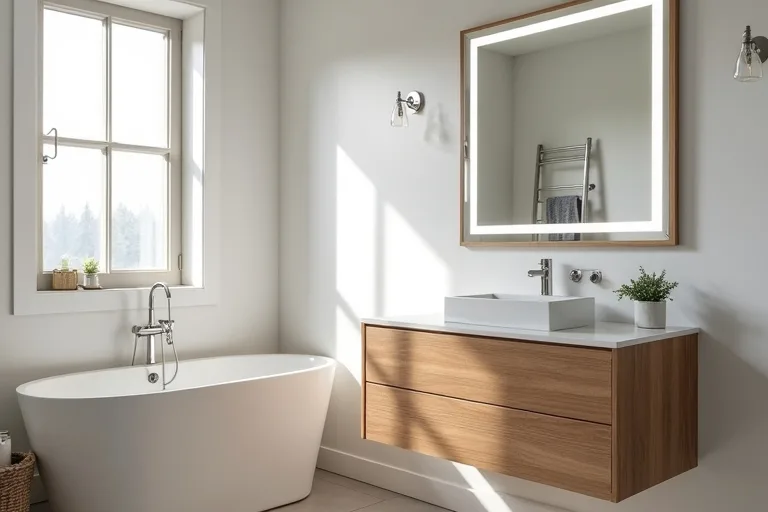
Bathroom vanity upgrades look simple until the parts start working against each other. A vanity that is too deep, a faucet that does not suit the sink, or a mirror that sits at the wrong height can turn a small update into a frustrating project.
The easiest way to avoid that is to make the decisions in the right order. This checklist keeps the focus on fit, function, and budget before you buy fixtures, hardware, or accessories.
Check size, plumbing, storage, mirror height, and budget before you buy.
Start with the vanity footprint
Before you compare finishes or hardware styles, confirm that the vanity itself fits the room cleanly. Measure the width, depth, and the space needed for doors, drawers, and traffic flow. In a bathroom, a few centimetres can change how comfortable the room feels every day.
Think about how the vanity sits with the rest of the room. If the entry feels tight, the vanity may be technically correct but still awkward to use. If there is extra space, a slightly larger unit may improve storage without making the room feel crowded.
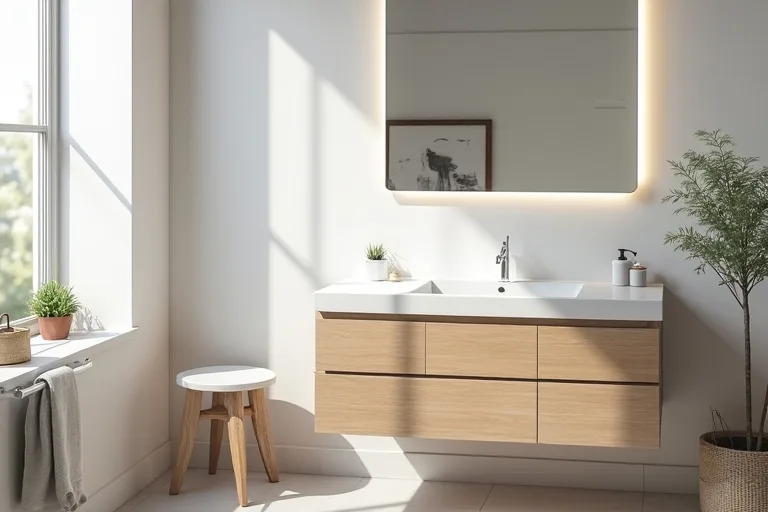
It also helps to decide whether you want a floating or freestanding style. Floating vanities can make a compact bathroom feel more open, while freestanding units often give you a little more visual weight and sometimes easier installation planning. Neither is automatically better; the right choice is the one that suits the room layout and daily routine.
The real question is not just whether the vanity fits on paper. It is whether the room still works when doors open, drawers pull out, and two people use the space on a normal morning.
Check plumbing, sink, and faucet fit
Once the vanity footprint makes sense, confirm the parts that have to connect properly. Plumbing location can limit your options, and the sink type affects which countertop and faucet styles will work smoothly.
This is where many bathroom vanity ideas become more complicated than expected. A countertop may look right, but if the sink cutout leaves too little room for accessories or if the faucet placement is too close to the wall, the whole setup can feel cramped.
- Confirm where the plumbing exits the wall or floor.
- Check whether the sink is integrated, undermount, or vessel style.
- Make sure the faucet hole spacing matches the faucet you want.
- Leave enough room around the basin for daily use and cleaning.
If you are comparing options, a brushed nickel bathroom faucet is a practical choice for many bathrooms because it tends to feel neutral and easy to coordinate. The finish matters less than whether the faucet fits the sink and gives you enough clearance for comfortable hand washing.
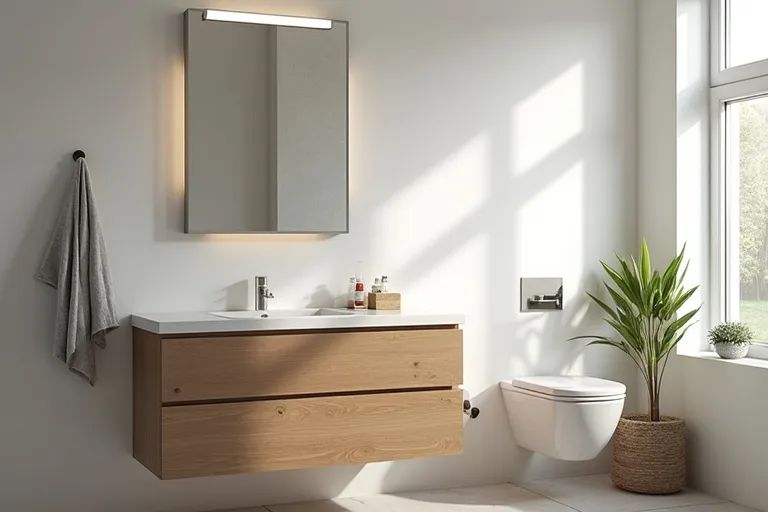
Keep the focus on compatibility first, appearance second. Once the core fittings are correct, style choices become much easier.
Plan mirror, lighting, and daily storage
The vanity zone works best when the mirror, lighting, and storage all support the same routine. A mirror that is too high, too small, or too far from the light can make the space harder to use, even if the vanity cabinet itself is a good fit.
Think about how you actually use the room. If two people get ready at the same time, you may need more mirror width or better side lighting. If storage is limited, choose a vanity and accessories that keep the countertop clear without forcing everything into the open.
A lighted vanity mirror for bathroom counter can be useful if the room does not have enough balanced light. It is especially helpful when you want the mirror area to feel calm and functional without adding extra wall fixtures.
Use this simple order when planning the vanity zone:
- Set the mirror size to suit the vanity width.
- Check that the mirror height works for the main users.
- Decide whether task lighting needs to come from the mirror or from the wall.
- Choose storage for the things you use every day, not every possible item.
Good bathroom vanity ideas usually come down to reducing friction. When the mirror height is right and the most-used items have a home, the room feels easier even if nothing dramatic changed.
Set the budget before you shop
Bathroom projects often drift because one small upgrade leads to another. A vanity cabinet leads to new hardware, then a mirror, then a faucet, and suddenly the total is much higher than expected. Setting the budget early helps you decide what matters most before you buy.
Start with the full vanity zone rather than one item at a time. Include the cabinet, countertop, faucet, mirror, lighting, hardware, and any accessories that are part of the finished look. If you are also considering labour or installation, treat that as part of the same decision.
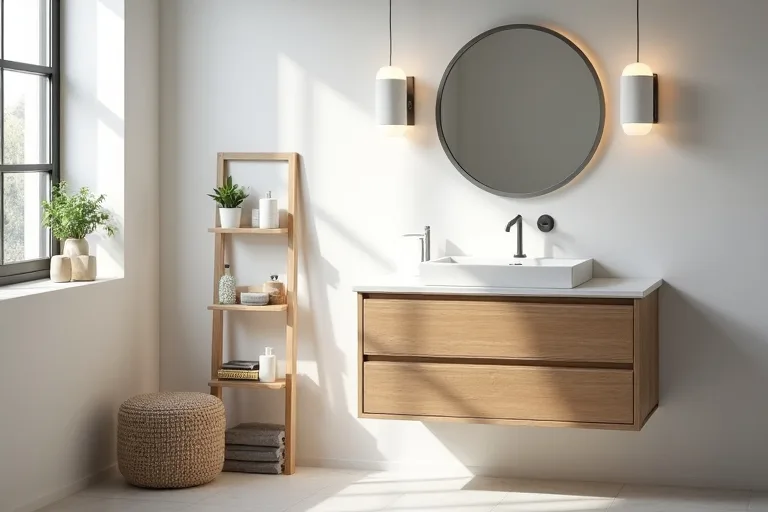
If you want a clearer view of the numbers before you commit, use the Bathroom Remodel Cost Estimator first. For a broader planning view, the remodel budget guide can help you decide whether the vanity update belongs in a larger project or should stay a smaller refresh.
For shoppers who like to map out room choices digitally, the Room Makeover Planner, Home Layout Budget Spreadsheet is a simple way to keep layout and spending in one place.
Best next step
If you are still comparing bathroom vanity ideas, the smartest next move is to check the full project cost before you add fixtures or accessories to cart. That keeps the vanity upgrade grounded in the bigger bathroom plan.
- Buying a vanity before checking the room clearance around it.
- Choosing a faucet without confirming sink and hole compatibility.
- Picking a mirror for style alone, then finding it sits awkwardly above the vanity.
- Adding accessories before the main storage and countertop layout is settled.
- Starting with decor details before the budget is clear.
A good bathroom vanity plan starts with fit, then plumbing and sink compatibility, then mirror, lighting, storage, and budget. When those pieces line up, the rest of the design becomes much easier to choose. If you want the room to feel calm and practical every day, make the layout decision before you buy fixtures or accessories.
Helpful next tools and planners
If you want to make the decision easier before you buy
These are simple tools and practical product options that support vanity planning without taking over the process.
FAQ
What should I check first when planning a bathroom vanity?
Start with the vanity footprint. Width, depth, clearance, and traffic flow should all work before you compare finishes or accessories.
How do I know if a faucet will fit my vanity?
Check the sink type, faucet hole spacing, and available counter space. The faucet needs to match both the sink and the plumbing setup.
Do I need to plan the mirror before buying the vanity?
Not before the vanity itself, but early enough to keep proportions and height in mind. The mirror should suit the vanity width and the users in the room.
What is the best way to stop a vanity project from going over budget?
Set the full budget before shopping and include the cabinet, countertop, faucet, mirror, lighting, hardware, and any accessories you plan to keep in the finished room.
Three sensible next steps
Some links in this article may be affiliate links. Read more in the Affiliate Disclosure.