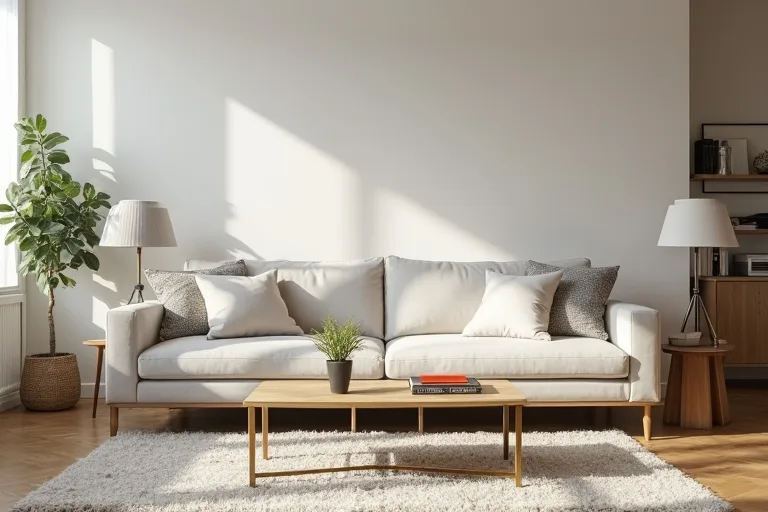
If your living room feels slightly off, the problem is often the layout before it is the furniture. A sofa in the wrong place, a rug that is too small, or a lighting plan that leaves corners awkward can make the whole room feel harder to use than it should be.
The choice is usually not between “do nothing” and “redo everything.” Most rooms benefit from a careful reset of what is already there first, then a smaller set of purchases only if the flow still does not work.
Start with the layout you already have; reset it fully only if the room flow is still broken after simple fixes. A budget refresh can solve spacing, seating, and lighting problems in many living rooms, while a full reset makes sense when the sofa placement, rug size, and traffic paths all work against each other.
What a budget layout refresh can fix quickly
A budget-friendly layout update is about making the room easier to live in without changing everything at once. In many cases, you can improve the feel of the room by moving pieces you already own, giving walking space back to the main route, and making the focal point clearer.
This approach works especially well if the room already has enough seating and storage, but the arrangement feels slightly cramped or disconnected. Re-centering the sofa, moving a side chair to a better angle, or floating a coffee table a little further from the seat edge can make the room feel more settled.
Lighting is another low-cost fix that has a big effect. A pair of table lamps can help define the seating zone and make the layout feel intentional, especially in rooms where the main ceiling light is not doing enough on its own.
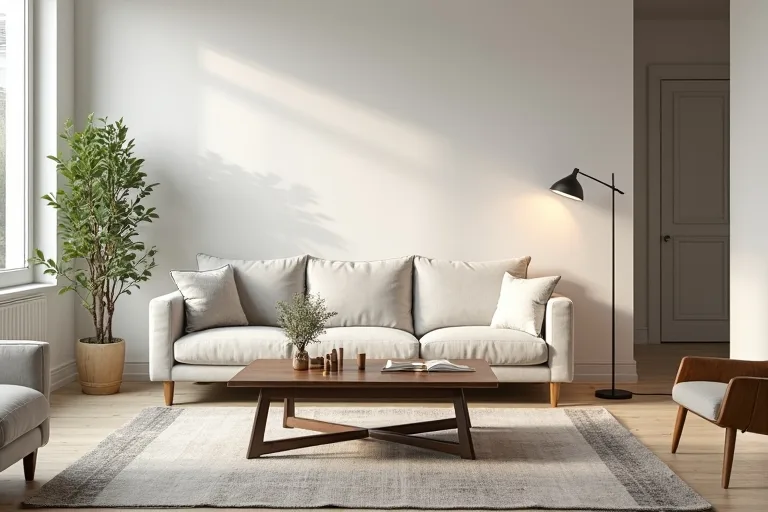
Before you buy anything, use the room as it is and test the following:
- Can you move through the room without cutting between seated areas?
- Does the sofa placement support conversation and the room's main view?
- Is the rug large enough to connect the main furniture pieces?
- Do the lamps or other light sources support the seating area at night?
If the room only feels awkward because one or two pieces are slightly out of place, keep the budget small and focus on layout edits first. If the rug, sofa, and table all seem undersized or mismatched, the room may need a deeper reset rather than a quick refresh.
When a full layout reset is worth the effort
A full layout reset is worth considering when the room flow is genuinely fighting the furniture. That usually means there is no comfortable walking route, the main seating area is too far from the focal point, or the current rug and table arrangement no longer support how the room is used.
This is often the better option after a move, after a major furniture change, or when the room has been arranged around pieces that no longer belong together. In those cases, trying to patch the space with small updates can become a false economy.
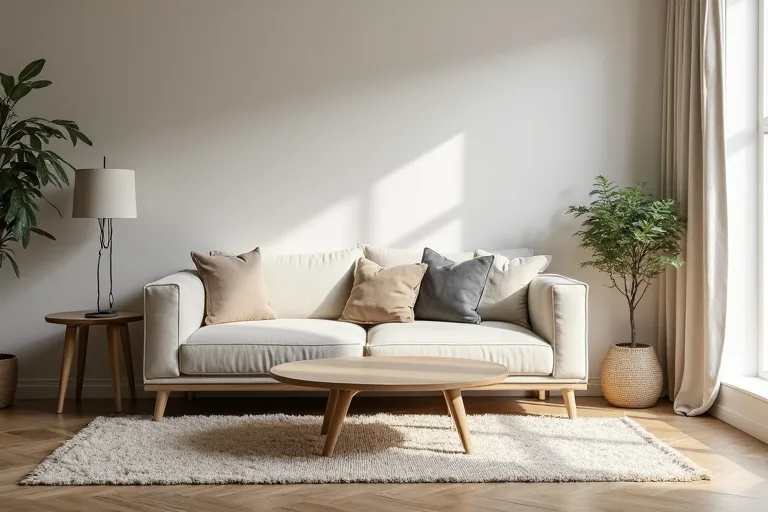
A full reset does not have to mean buying everything new. It means starting with the plan and letting the room dictate what stays. A simple order of operations helps:
- Map the room and note doors, windows, and traffic paths.
- Place the sofa first, because it usually sets the main circulation pattern.
- Check whether the rug size supports the seating group.
- Layer lighting after the furniture is positioned.
- Only then decide what, if anything, needs replacing.
This is the point where careful planning pays off. The room may only need one or two stronger pieces, not a complete shopping list.
How to decide before you buy
Try to separate a styling problem from a layout problem. A styling problem can often be solved with better placement, a more suitable lamp, or a rug that anchors the seating area. A layout problem keeps showing up no matter how you style the room because the basic structure is off.
One of the clearest signals is the rug. If the rug is too small, the seating zone can feel fragmented even when the furniture itself is fine. If you are unsure, check the room against a sizing tool before you commit to a new purchase. The same goes for sofa position and table spacing.
If you want to avoid buying the wrong thing, start with a plan on paper or in a digital layout tool. That gives you a calmer view of what the room needs and keeps spending tied to actual function rather than guesswork.
Use the planner first if you are still changing your mind about furniture placement. Use the rug calculator first if the seating area feels incomplete but you are not sure whether the current rug is the real problem.
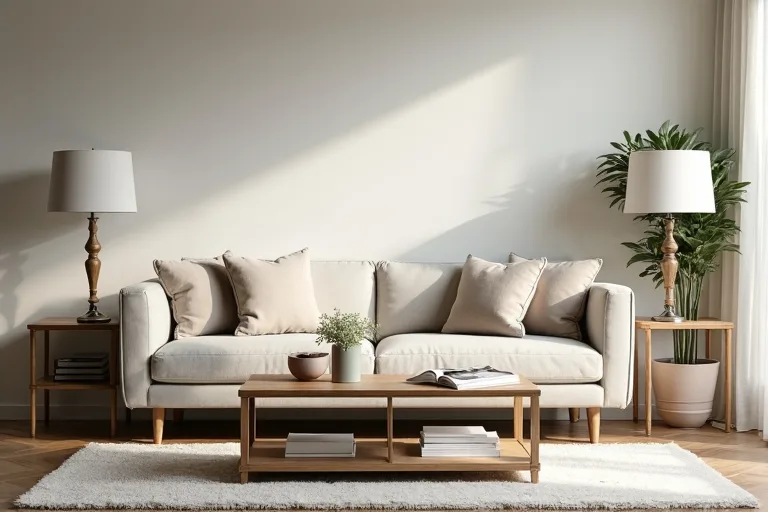
If your first instinct is to buy decor, pause and map the room instead. Layout clarity usually saves more money than a faster checkout does.
Smarter next steps for a calmer room update
Once the room plan is clearer, the right purchases become easier to spot. A non-slip rug pad can improve how a rug sits in place and help the seating area feel more stable, while a matched pair of table lamps can finish the room without adding visual clutter.
If you prefer to plan spending before ordering anything, a simple budget tracker can help you compare what you already own with what the room truly needs. That is especially useful when you are deciding whether the update stays budget-friendly or becomes a fuller reset.
For many readers, the best sequence is simple: map the room, check the rug size, confirm the furniture flow, and only then buy the few items that support the plan.
Best next step
Before you buy new furniture, rugs, or lighting, map the room layout and confirm the sizing. That will tell you whether a small refresh is enough or whether the room needs a more complete reset.
- Buying a new rug before checking whether the current layout already has a flow problem.
- Pushing every piece against the wall even when the room would work better with a more defined seating zone.
- Choosing lamps or side tables before the sofa and coffee table positions are settled.
- Ignoring walking space because the room looks balanced in photos but feels awkward in daily use.
- Replacing furniture when a smaller edit would have fixed the room at a lower cost.
Start with the layout you already have. If simple changes improve flow, spacing, and comfort, keep the update budget-friendly and make only the purchases that support the plan. If the room still feels blocked after that, a full reset is worth considering. The calmest next step is to plan first, then shop.
Helpful next tools and planners
If you want to make the decision easier before you buy
Use a layout planner or sizing tool first, then add only the items that match the room plan. If you want a simple shopping bridge after that, these can help.
FAQ
How do I know if my living room only needs a small refresh?
If the room already has enough furniture and the main issue is awkward placement, a few layout adjustments are usually enough. Start by testing sofa position, rug placement, and traffic flow.
When is a full layout reset the better option?
Choose a full reset when the room still feels difficult to use after simple fixes, especially if walking space, focal point, and seating placement all feel off at the same time.
Should I buy a new rug before changing the layout?
No. Check the layout first. A rug can only help if it matches the room flow and seating arrangement.
What should I plan first in a living room update?
Plan the sofa placement, then the rug size, then the lighting. Those three choices shape how the room works day to day.
Three sensible next steps
Some links in this article may be affiliate links. Read more in the Affiliate Disclosure.