
A small kitchen budget can still produce a room that feels calm, cared for, and finished. The difference is usually not how much you spend, but where you spend first and what you leave alone.
When a refresh starts to feel cheap, it is often because the budget was spread too thin across too many visible changes. A better approach is to choose a few high-impact updates, keep the finish palette simple, and avoid cosmetic choices that fight the rest of the room.
Spend first on the details you touch and see most, then keep finishes simple and consistent. In a kitchen refresh, that usually means the faucet, hardware, backsplash, and lighting matter more than adding lots of small decorative changes.
Start with the changes people notice most
If the goal is to stretch a kitchen refresh budget, begin with the parts of the room that carry the most visual weight. In many kitchens, that means the faucet, cabinet hardware, backsplash, and lighting. These pieces sit at eye level or in daily use, so they shape the impression of the whole space faster than most other updates.
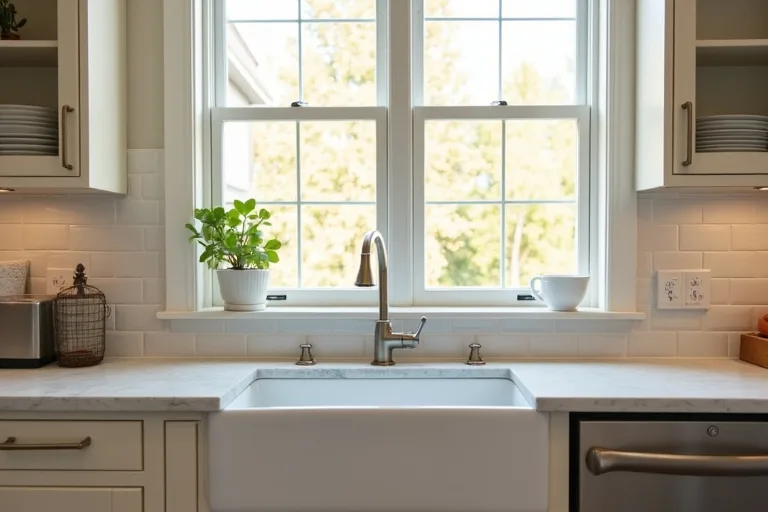
A brushed nickel kitchen faucet pull down is a good example of a value-led upgrade. It can make a sink area feel more considered without requiring you to replace cabinets or change the layout. The same idea applies to hardware: a simple, consistent finish often looks better than a mix of trendy pieces chosen one at a time.
For the backsplash, a clean and restrained choice usually reads more finished than a busy one. If the rest of the kitchen is staying put, a peel and stick backsplash tile kitchen option can be a practical way to create a fresher backdrop without taking on a larger renovation.
The key is to let the room feel intentional, not busy. A modest budget can still look calm when the visible details agree with each other.
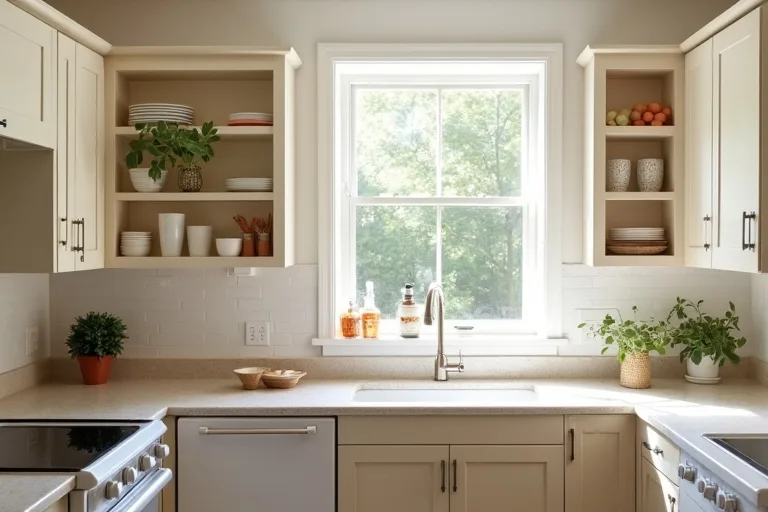
If a change will be seen every day, touched often, or sit in the center of the room, it belongs near the top of the budget. If it is mostly decorative, it should only happen after the core pieces are decided.
Save in the right places
Budget stretches further when you avoid paying for changes that do not materially improve the room. Cabinets do not always need replacing. Countertops do not always need upgrading. The layout does not always need to move. If the kitchen already functions well, keeping those larger systems in place may free up money for the details that actually change how the room feels.
That does not mean you should cut corners everywhere. It means separating structural spending from surface spending. When the room is functional, the best savings often come from leaving the expensive parts alone and putting your money into clean, coordinated finishes instead.
If you want a simple way to think about it, use this order:
- Protect the layout if circulation already works.
- Keep cabinets if the boxes are sound and the style is acceptable.
- Update the faucet, hardware, and backsplash for the most visible improvement.
- Use lighting and paint to finish the room without overbuilding it.
This approach helps a kitchen feel upgraded without creating the mismatch that happens when one part of the room is replaced while everything around it still looks dated or unfinished.
Choose finishes that work together
Cheap-looking results often come from inconsistency, not from the budget itself. A kitchen can be affordable and still feel polished if the finishes are coordinated. That usually means choosing one metal tone and repeating it, keeping cabinet colors quiet, and avoiding too many competing textures.
For a refresh on a tighter budget, brushed nickel is often an easy finish to live with because it pairs well with many cabinet colors and does not feel overly trend-driven. Used on the faucet and echoed in cabinet hardware, it creates a simple thread that helps the room read as planned.
Backsplash choice matters for the same reason. If your cabinets, counters, and hardware are already doing enough, the backsplash should support them rather than compete. A clean tile pattern or a straightforward peel-and-stick option can be enough when the rest of the room is doing the visual work.
Lighting follows the same rule. You do not need dramatic fixtures to make the space feel better. You need light that supports the room, feels proportionate, and does not introduce another style problem to solve.
Plan the spend before you shop
The easiest way to waste a kitchen refresh budget is to buy finishes before deciding what the money is actually for. A simple plan makes it easier to stop overspending on small items and to avoid choosing pieces that do not belong together.
Start with a list of what is staying, what is changing, and what needs to be measured before anything is ordered. If the refresh might affect circulation or a work zone, check the room plan first rather than guessing. That matters even in a small update, because a few inches can change how usable the kitchen feels.
A budget planner can help you sort the spend into priorities before you shop. If you want a practical place to do that, the Home Renovation Budget Planner Spreadsheet can help you track what belongs in the project and what should wait. If the refresh is tied to broader layout questions, the Kitchen Island Size Calculator is a sensible next check. For wider kitchen planning, the Kitchen & Dining hub is the best place to continue.
Best next step
If you want the budget to feel calmer before you buy anything, set your priorities first and give every update a job. That keeps the project focused on the changes that matter most instead of scattering money across too many small decisions.
- Buying decorative items before the main finish decisions are made.
- Mixing too many metals, colors, or backsplash styles in one small space.
- Replacing cabinets or counters when the room only needs targeted updates.
- Choosing low-cost pieces that look disconnected from everything else.
- Skipping measurements and layout checks before ordering fixtures or panels.
A kitchen refresh looks best on a modest budget when you spend on the visible, high-use details first and keep the rest of the room simple. The safest strategy is usually not more stuff, but better priorities: a good faucet, coordinated hardware, a restrained backsplash, and a clear plan before you shop.
Helpful next tools and planners
If you want to make the decision easier before you buy
These are the most useful next steps if you are still deciding where the money should go. Start with the planning tool, then compare finishes only after the budget is set.
FAQ
What should I spend on first in a kitchen refresh?
Start with the pieces that affect how the room feels every day, such as the faucet, hardware, backsplash, and lighting. Those details usually change the overall impression faster than decorative extras.
Can a peel-and-stick backsplash look good enough for a main kitchen?
Yes, if the rest of the room is kept simple and the installation is neat. It works best when it supports the cabinetry and counters instead of competing with them.
Do I need to replace cabinets to make the kitchen feel updated?
Not always. If the cabinet boxes are solid and the layout still works, targeted updates may be enough to make the room feel calmer and more current.
How do I stop a small budget from looking pieced together?
Pick one finish family, repeat it, and avoid scattered purchases. A clear plan is what makes a modest refresh feel deliberate instead of random.
Three sensible next steps
Some links in this article may be affiliate links. Read more in the Affiliate Disclosure.