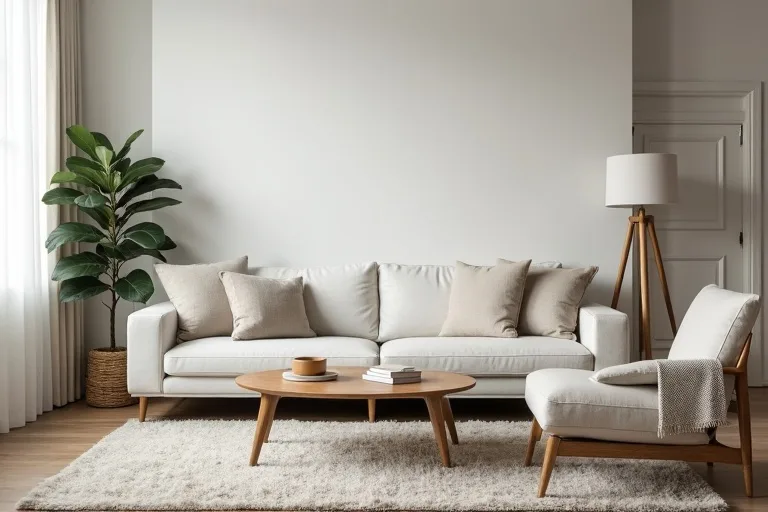
A living room can feel off even when the furniture is attractive. One of the most common reasons is rug size: the rug is either too small, placed too loosely, or chosen without checking how the sofa, chairs, and coffee table actually sit together.
The good news is that this is usually a layout problem, not a styling failure. Once you know what the rug needs to do in the room, it becomes much easier to choose a size that calms the space instead of making it feel tighter.
Choose a rug large enough to anchor the seating area; too-small rugs usually make the room feel smaller. If you are unsure, start by checking the layout with the rug size calculator before you buy.
Why rug size changes the whole room
A rug does more than add softness underfoot. In a living room, it creates a visual boundary for the seating area, helps furniture feel connected, and tells the eye where the main conversation zone begins and ends. When that boundary is too tight or too loose, the room can feel awkward even if every piece is good on its own.
The most helpful way to think about rug size is as part of the room plan, not as a finishing touch. If the rug is too small, the sofa and chairs can look like they are floating in separate spots. If it is sized well, the whole layout feels more settled and the room usually reads as larger and more intentional.
That is why it is worth checking proportions early, especially in a living room where the rug, sofa, and coffee table all have to work together. A good starting point is the Living Room Ideas hub, where you can move from broad layout questions to more specific decisions without guessing.

If the rug does not reach at least part of the main seating zone, the room often looks smaller than it is. The real question is not whether the rug is stylish, but whether it visibly holds the sofa and chairs together.
Mistakes that make the space feel smaller
The biggest rug mistake is choosing a size that is technically available but visually too limited for the furniture around it. That happens often in rooms where the rug sits only under the coffee table, while the sofa and chairs remain completely outside it. The eye reads that as separate pieces instead of one balanced zone.
Another common issue is treating the rug as a decoration layer rather than a structural part of the layout. That can lead to a size that looks fine in the store but feels short once it is in the room. A rug should usually reach under the front legs of key seating pieces, or at least cover enough of the conversation area to make the grouping feel deliberate.
It also helps to think about shape. A rectangular rug fits most living rooms, but not every room needs the same proportion. A narrow room, a wide open plan, or a space with a sectional may need a different relationship between rug edges and furniture than a square room does.
- Check where the front legs of the sofa and chairs will sit.
- Look at how much floor is still visible around the rug.
- Make sure the coffee table sits comfortably within the rug boundary.
- Confirm that the rug does not stop the seating group from feeling connected.
How to check the layout before you buy
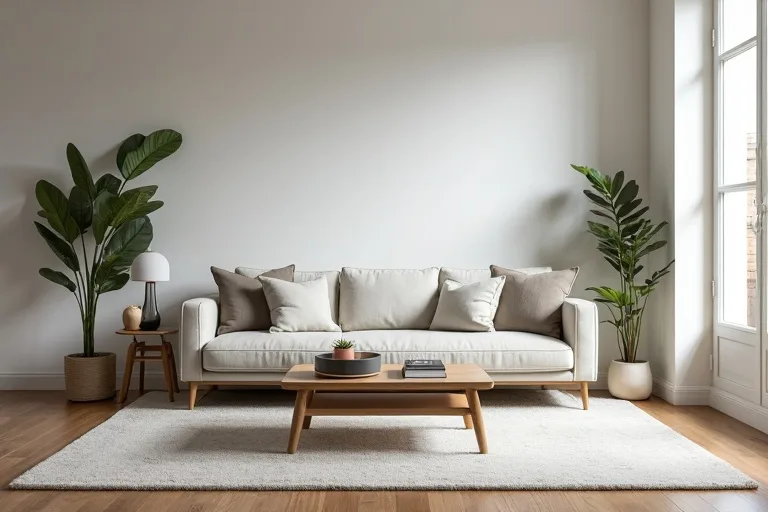
Before choosing a rug, measure the seating area as one system. Start with the sofa, then include the coffee table and any chairs that should belong to the same conversation zone. From there, check how much rug you need to make the grouping feel connected without blocking walkways.
A simple way to do that is to map the room on paper or use a planner before shopping. This is especially helpful if you are comparing a few rug sizes and trying to decide whether a smaller option will still look grounded once it is in the room.
If you want a more structured way to think through the room, the rug size calculator is the clearest next step. If you are also planning furniture changes, a room-level tool such as the room layout planner can help you test the full arrangement before you spend money.
A rug should solve a layout problem, not create one. If you need to move furniture awkwardly just to make the rug fit, the size is probably wrong for the room.
When 8×10 works best in a living room
An 8×10 rug is often the most useful middle-ground choice in a standard living room because it gives enough visual weight to anchor a sofa and coffee table without looking oversized in many common layouts. It can be especially helpful when you want the room to feel calmer and less broken up.
That said, the right answer still depends on the furniture footprint. In some rooms, an 8×10 is the size that finally makes the seating area feel complete. In others, it may still be too small if the room is generous or if the sectional needs more coverage. This is why the layout check matters before purchase.
If your measurements point in that direction, a neutral rug is often the easiest place to start because it supports the room without adding visual noise. An 8×10 neutral living room area rug can be a sensible purchase when the proportions are right, especially if you want the room to feel settled rather than busy. Pairing it with a non slip rug pad 8×10 also helps the rug stay in place, which matters more than people expect once furniture is sitting on top of it.

Best next step
Before you buy, confirm the rug dimensions against your sofa and coffee table spacing. The fastest way to avoid a sizing mistake is to test the layout first, then choose the rug that supports it. If you are ready to turn the plan into a purchase decision, use the rug size calculator and then review an 8×10 neutral option if it fits the room.
- Choosing a rug that sits only under the coffee table and ignores the seating area.
- Leaving the front legs of the sofa and chairs completely off the rug.
- Forgetting to check walkway clearance around the rug edges.
- Picking a shape that fights the room layout instead of supporting it.
- Buying before confirming whether an 8×10 or another size actually fits the furniture plan.
The right rug size should make the living room feel more connected, not more crowded. If the rug is too small, the room usually looks less settled and more cramped. Measure the seating area, check the furniture placement, and use the rug size calculator before you buy. If the layout supports it, an 8×10 neutral living room area rug is often a practical, low-stress choice.
Helpful next tools and planners
If you want to make the decision easier before you buy
These are the most useful next steps when you are comparing rug sizes, checking spacing, or planning a living room update with less guesswork.
FAQ
How do I know if my living room rug is too small?
If the rug only holds the coffee table and leaves the seating group visually split, it is probably too small for the room.
Should a rug go under the sofa legs?
In many living rooms, yes, at least the front legs of the sofa and nearby chairs should sit on the rug to make the area feel connected.
Is 8×10 a good size for most living rooms?
It is often a strong choice for medium-sized living rooms, but the room layout and furniture footprint should still decide the final size.
What should I check before buying a rug online?
Measure the seating zone, confirm walkway clearance, and use a rug size calculator so the rug fits the layout instead of competing with it.
Three sensible next steps
Some links in this article may be affiliate links. Read more in the Affiliate Disclosure.