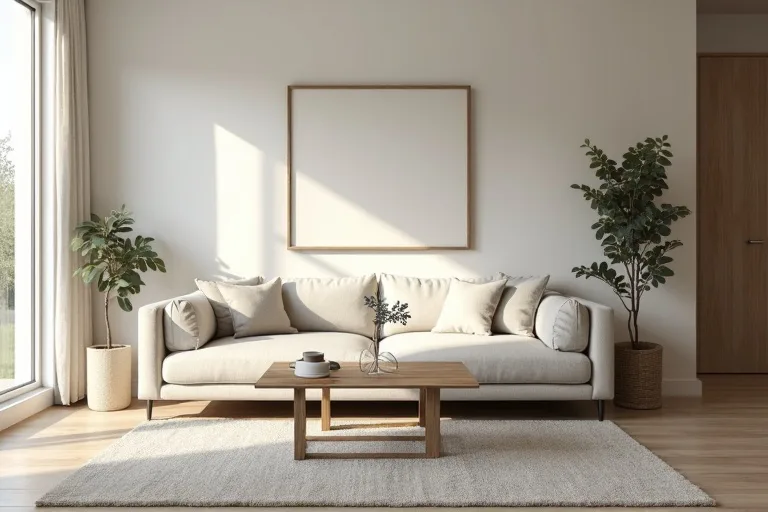
Rug size is one of those living room decisions that seems simple until the furniture is in place. A rug that is too small can make the seating area feel scattered, while the right size can quietly pull the whole room together.
If you are deciding between a budget-friendly rug and a bigger foundation upgrade, the useful question is not just what looks nice. It is what actually fits your sofa, coffee table, and traffic flow without forcing the room to work against itself.
An 8×10 rug is often the safest budget-friendly living room choice, while a larger rug works better when you want the furniture to feel fully grounded.
Why rug size changes the whole room feel
Rug size does more than fill floor space. It changes how connected the seating area feels, how wide the room reads, and whether the furniture looks planned or placed one piece at a time.
In smaller or mid-size living rooms, a rug that reaches under the front legs of the sofa and chairs often creates enough visual order. In larger rooms, that same rug can start to feel like a floating island. The room may still be comfortable, but it will not feel fully anchored.
That is why rug decisions are really layout decisions. If the rug is too small, every other choice has to work harder. If the rug is correctly scaled, even simple furniture can feel more composed.

The real decision is not whether the rug is affordable or premium. It is whether the size helps the sofa, coffee table, and seating zone feel joined together without blocking movement around the room.
When an 8×10 rug is the smarter budget choice
An 8×10 neutral living room area rug is often the most practical buy when you want balance without overspending. It is large enough for many standard seating layouts, and it usually gives you a calmer result than choosing a smaller rug just to save money.
This size tends to work best when:
- your sofa is standard length and not oversized
- you want at least the front legs of the main seating pieces on the rug
- the coffee table sits comfortably inside the seating group
- you still need clear walking space around the arrangement
If your room is compact but not tiny, 8×10 is often the point where the layout starts to look intentional. It is a good compromise between budget and visual grounding, especially if you choose a neutral rug that does not compete with the furniture.
For a room that is still being put together, that can be enough. A better-sized rug often does more for the room than buying a more decorative one.

When a bigger foundation upgrade makes more sense
Sometimes a larger rug is worth the extra spend because the room itself is asking for it. That is usually true when the seating area feels wide, the sofa is oversized, or you want the entire furniture group to sit clearly on the rug instead of only touching it at the front edge.
A bigger foundation upgrade is often the right move when:
- the rug needs to define a large open-plan seating zone
- the sofa and chairs sit farther apart than a standard layout
- you want the room to feel calmer and more finished
- the rug is part of a long-term plan, not a temporary fix
The extra cost can make sense if it prevents a second purchase later. In planning terms, a larger rug is less about decoration and more about avoiding a layout that feels undersized from the beginning.
If you are already adjusting other furniture, this is the moment to check whether the rug should be treated as the foundation piece rather than the finishing piece.
How to check the layout before you buy
The easiest way to avoid a rug-sizing mistake is to measure the seating zone as a group, not the room as a whole. Start with the sofa, then add the coffee table, then make sure there is enough rug width and length to hold the arrangement together.
A simple check can help:
- Measure the width of the sofa and the area you want the rug to cover.
- Mark the rug footprint on the floor with tape or paper.
- Stand back and check whether the front legs of the main furniture can sit on the rug.
- Confirm that the edges still leave sensible walking space.
- Add a rug pad if the rug needs more grip or a neater feel underfoot.
If the taped outline already looks too tight, it probably will be too tight once the room is furnished. That is the point where a calculator or planner saves money, because it lets you test the layout before buying the wrong size.

Best next step
Use the rug size calculator to confirm the right dimensions before buying, then consider an 8×10 neutral living room area rug and a non slip rug pad if the layout fits.
- Buying a rug based on room size alone instead of sofa and seating dimensions.
- Choosing a smaller rug just to save money, then replacing it later.
- Letting the rug sit too far away from the seating group so the room feels disconnected.
- Skipping a rug pad and ending up with movement, bunching, or a less finished look.
- Forgetting to check traffic flow around the coffee table and side chairs.
If you want the most practical budget choice, an 8×10 rug is often the safest starting point for a living room. If your room is larger or the furniture group needs a stronger anchor, a bigger rug can be the better foundation upgrade. Either way, measure the layout first, then buy for the seating zone rather than the floor space alone.
Helpful next tools and planners
If you want to make the decision easier before you buy
A quick layout check can prevent the most common rug-sizing mistakes. These tools and planners are useful if you are still comparing budget and upgrade options.
FAQ
Is an 8×10 rug big enough for most living rooms?
It is often big enough for standard seating arrangements, especially when you want the front legs of the sofa and chairs to sit on the rug.
Should the coffee table sit fully on the rug?
Not always. What matters more is that the coffee table feels connected to the seating group and the rug is large enough to ground the whole arrangement.
What if my room is large and 8×10 looks too small?
That usually means the room wants a larger foundation rug, especially if the seating zone is spread out or part of an open-plan layout.
Do I need a rug pad?
A rug pad is a practical finishing step. It helps with grip, keeps the rug in place, and can make the setup feel more settled underfoot.
Three sensible next steps
Some links in this article may be affiliate links. Read more in the Affiliate Disclosure.