
Farmhouse style works best when it feels like a room that was built for everyday life, not a room assembled from a checklist. The trouble starts when every surface is given a rustic accent, every finish is made to look aged, and the layout stops making sense for how the room is actually used.
If your space feels a little too themed, the answer is usually not to add more decor. It is to step back and check the basics: proportion, flow, material balance, and whether the room already has enough natural texture to carry the style.
Farmhouse feels forced when it is overdecorated, too themed, or disconnected from the room’s layout and materials.
Why farmhouse style feels natural in some rooms and staged in others
Farmhouse interior design looks best when it grows out of the room instead of sitting on top of it. A natural farmhouse room usually has a clear layout, honest materials, and a few simple layers that support daily use. The style feels calm because the furniture, finishes, and accessories all agree with each other.
When the look starts to feel forced, it is often because the room is trying too hard to signal a style name. That can happen in a living room with too many decorative signs, too many distressed finishes, or a palette that is so busy the eye never settles. In a practical room, farmhouse should read as warm and easy, not as a display.
One useful test is to ask whether the room would still work if you removed half the accessories. If the answer is yes, you are probably close to a balanced farmhouse look. If the room falls apart without the added props, the styling is doing more work than the room itself.
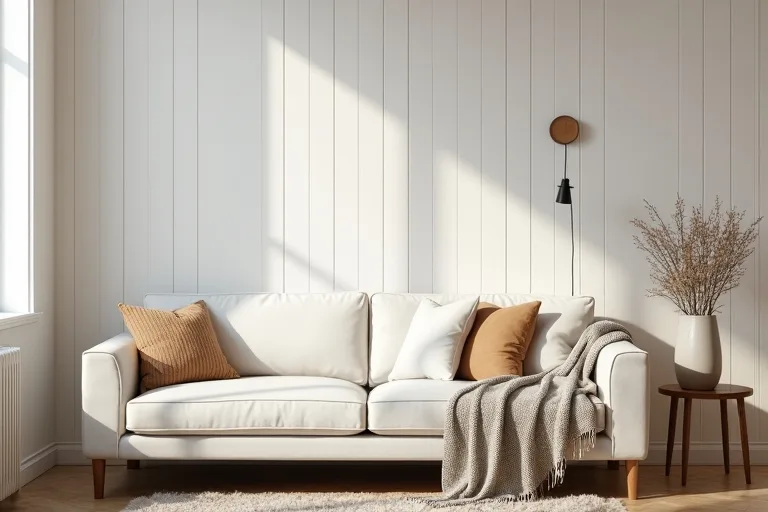
The real decision is not whether a room contains farmhouse pieces. It is whether the room can still feel calm, useful, and proportionate when the decor is pared back to a few well-chosen items.
The common farmhouse mistakes that throw off color and materials
The fastest way to make farmhouse styling feel strained is to mix too many “rustic” signals at once. Weathered wood, black metal, jute, enamel, galvanized finishes, plaid, shiplap, and distressed paint can all work in the right balance, but they can also compete with each other if every surface is trying to make a statement.
Color can create the same problem. A farmhouse room usually needs a grounded neutral base, but that does not mean everything should be white and beige. The issue appears when the palette becomes flat, overly bright, or disconnected from the natural tones in the floor, trim, and furniture.
A calmer approach is to choose one or two materials to lead the room and let everything else support them. For example, if the room already has warm wood, keep the fabrics soft and quiet. If the space has strong black hardware, use fewer rough textures so the contrast does not feel heavy.
- Pick a base that matches the room’s existing light and finishes.
- Limit rustic accents so they read as details, not the entire story.
- Repeat one or two materials instead of introducing a new finish in every corner.
- Use texture for warmth, not as a way to cover planning mistakes.
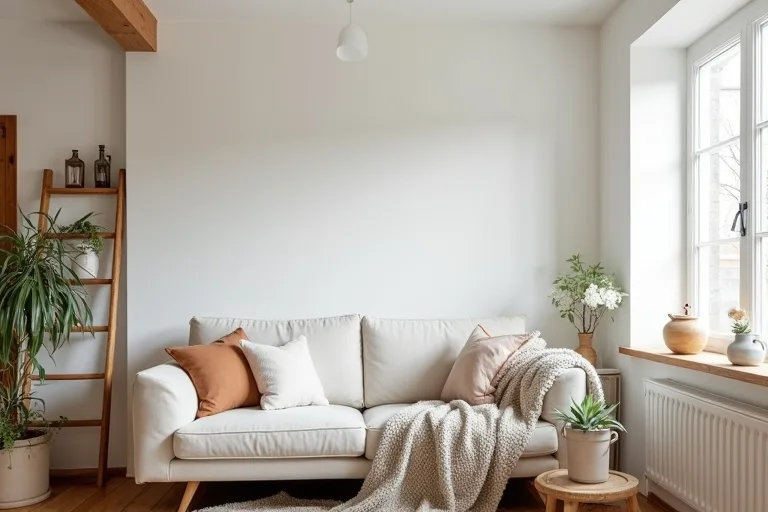
Why scale and layout matter more than extra rustic decor
A farmhouse room can look forced simply because the furniture is too large, too small, or placed without enough breathing room. The style depends on ease. If the sofa blocks the walkway, the coffee table feels oversized, or the seating is pushed into awkward corners, the room stops feeling relaxed no matter how many farmhouse accessories you add.
This is especially common in living rooms, where people often buy decor before confirming the arrangement. A better sequence is to think through the layout first, then choose the furniture that fits the room’s proportions. Once the main pieces are right, the style has room to settle in naturally.
In practice, that means checking the conversation area, traffic paths, and the visual weight of each piece before shopping for extra decor. A simple room plan often does more for farmhouse styling than another basket, sign, or lantern ever will.
If you are working on a living space, it can help to review Living Room Ideas first, then return to the broader Design Styles hub if you want to compare how farmhouse sits alongside other room directions.
Best next step
Before you buy more decor, check whether your room plan already supports the look. A quick layout review can solve more farmhouse problems than another styling round.
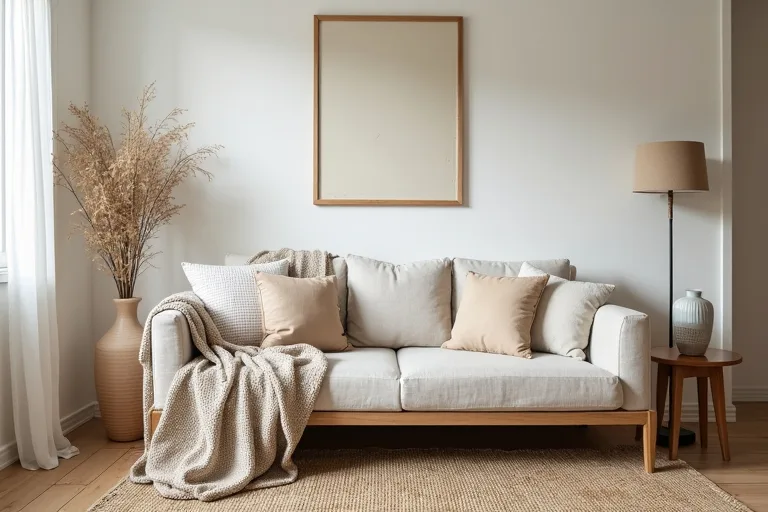
Simple fixes that make farmhouse styling feel calmer and more honest
Once the layout is working, the easiest fixes are usually the smallest ones. Replace one overly themed piece with something quieter. Soften a hard surface with a neutral throw. Add a ceramic vase set instead of another sign or novelty accessory. These changes keep the style present without making the room feel staged.
The goal is not to remove personality. It is to make sure the room feels like it belongs to the people who live there. A farmhouse room looks strongest when the decor feels useful, the materials feel believable, and the final layer is restrained.
For a finishing touch, choose one practical textile and one simple decorative object rather than several competing accents. A neutral throw blanket for sofa or bed can soften the room without adding visual noise, and a ceramic vase set neutral home decor can give the room a finished look without pushing it toward a themed display. If you are planning a broader update, a digital Home Planning System Bundle, Room Makeover, Small Space, Budget Tool (Digital Download) can help you think through layout and budget before you shop.
- Using too many rustic materials in the same room.
- Building the whole look around signs, baskets, and themed decor.
- Ignoring furniture scale and traffic flow.
- Choosing colors that fight the room’s existing light and finishes.
- Adding decor before the layout is settled.
Farmhouse style feels natural when the room plan comes first and the decor follows. Keep the palette calm, limit rustic accents, and make sure the furniture size and layout support everyday use. If the room works without extra styling, the farmhouse look will usually land in the right place.
Helpful next tools and planners
If you want to make the decision easier before you buy
A few simple tools and finishing pieces can help you move from idea to a room that feels planned instead of forced.
FAQ
What makes farmhouse style feel forced?
It usually happens when the room is overdecorated, too theme-driven, or packed with rustic details that do not fit the layout or the existing materials.
How do I make farmhouse style look more natural?
Use fewer accents, repeat a small set of materials, and let the room’s architecture and furniture proportions lead the design.
Can farmhouse work in a small room?
Yes, but the furniture scale and storage choices matter even more. Keep the room open, practical, and light on visual clutter.
Should I buy decor before planning the layout?
No. The layout should come first so you know what size furniture and what kind of styling the room can actually support.
Three sensible next steps
Some links in this article may be affiliate links. Read more in the Affiliate Disclosure.