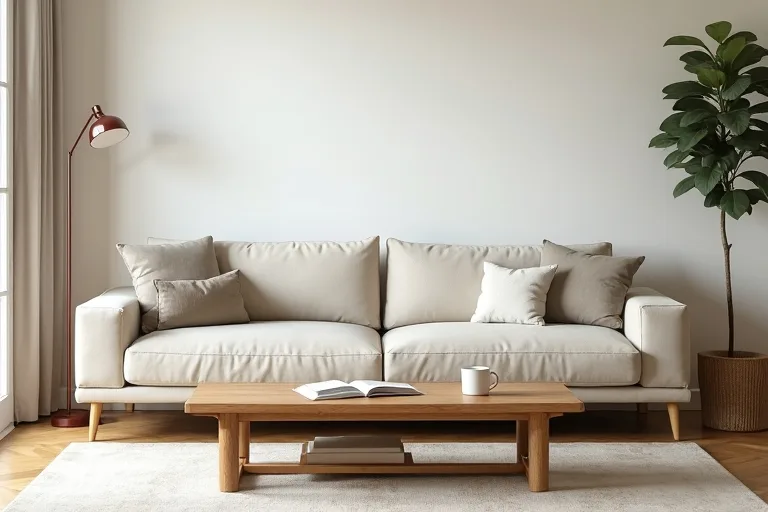
A coffee table should make a room easier to use, not harder. The right one can improve the distance between seats, keep walkways clear, and give the sofa area a more settled feel.
That is why the best coffee table ideas usually start with layout, not style. Once the size and shape make sense, the finish and details become much easier to choose.
Choose a coffee table that fits your seating distance, walkway space, and daily use first. If the table is too large, it interrupts movement; if it is too small, it can feel awkward and underused.
Start with the layout problem the coffee table needs to solve
The best coffee table ideas begin by asking what the table is actually doing in the room. In some living rooms, the goal is to connect a sectional and soften a large open area. In others, the table needs to stay light enough to preserve an easy route through a smaller space.
Before you think about finish or shape, look at how people move around the seating area. A coffee table should support reaching, resting drinks, putting down books, and moving through the room without constant sidestepping. If it blocks the natural path, the room will always feel more crowded than it needs to.
For a calm check before shopping, use the coffee table size calculator to confirm the right proportions for your sofa area. If you are still shaping the full seating plan, the sofa size calculator can help the table and sofa work together instead of competing for space.
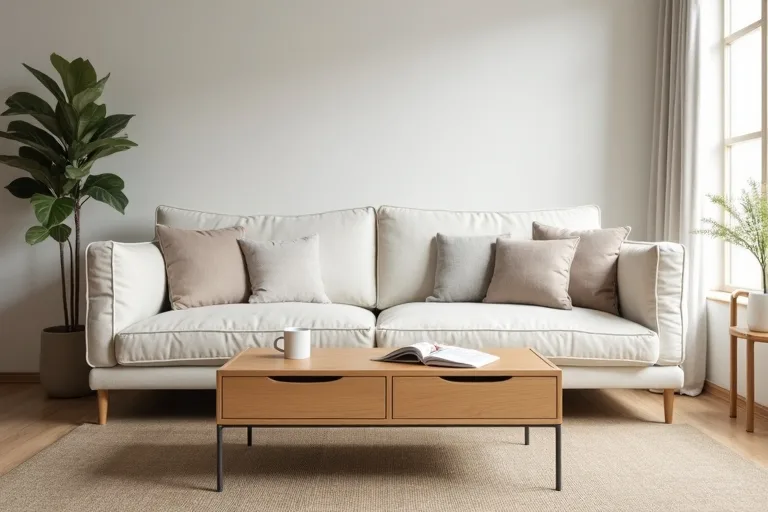
The real decision is not whether a coffee table looks good in isolation. It is whether it fits the sofa distance, leaves a clear walkway, and matches how you use the room every day.
Choose a shape that supports the room, not just the style
Shape changes how the room feels in a very practical way. A rectangular coffee table often suits longer sofas and more structured layouts. An oval or round table can make movement easier where corners would otherwise interrupt the flow. A square table may work well with sectionals or deeper seating where the arrangement feels more centered.
If the room is tight, softer edges can make the seating area feel easier to move around. If the room is larger and the sofa wall is long, a more grounded shape can help the arrangement feel balanced rather than spread out. The goal is to match the table to the seating geometry already in the room.
It can help to think in this order:
- Check the sofa size and seating distance.
- Look at where people enter and leave the room.
- Choose a shape that preserves those paths.
- Only then narrow down the style and finish.
Pick materials and storage with everyday use in mind
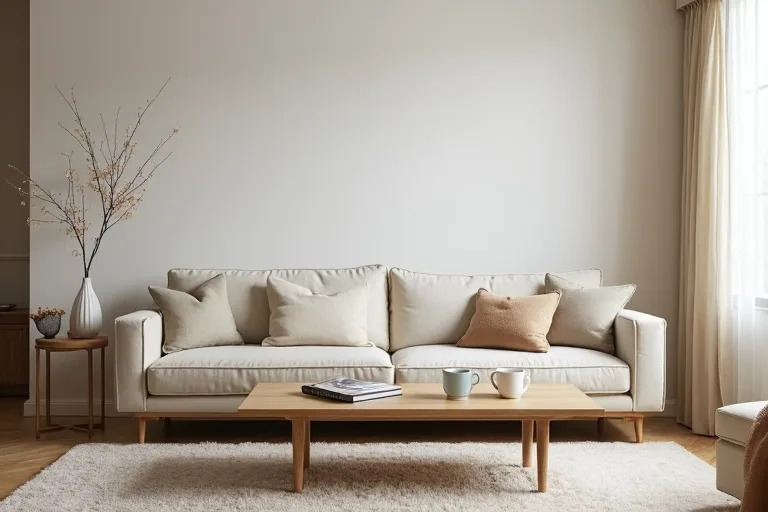
Once the table fits, the material and base design should match real life. A wood coffee table for living room use is often a steady choice because it feels warm, reads clearly in the space, and works with many neutral interiors. It is also easier to pair with everyday items like trays, books, and mugs without the surface feeling overly fragile or overly decorative.
Families and busy households may prefer rounded edges, a stable base, and surfaces that do not demand constant styling. If you need storage, a lower shelf or drawer can keep remotes and chargers out of sight. If you prefer a lighter look, an open-base table may keep the room from feeling visually crowded.
The best version is usually the one that suits your habits. If the table is always used as a catchall, storage may be more helpful than a sculptural base. If the room already holds plenty of storage, a simpler open design may keep the seating area calmer.
Before you buy, decide whether the table needs to store things, simply hold a few daily items, or mostly support the room visually. That answer should shape the material, edge profile, and base design.
Do a final fit check before you buy
Even a good-looking coffee table can feel wrong if it is not sized well for the sofa and room. Measure the seating area, check walking space, and make sure the table does not sit so low or so wide that it changes how the room is used. A quick layout check can save you from a purchase that looks fine online but feels off once it arrives.
If you want a simple next step, use the coffee table size calculator first, then move to a sofa size calculator or a room planning tool if you are still balancing the full arrangement. For a broader purchase plan, a home layout planner can also help you compare options before committing.
The more clearly you define the layout, the easier it becomes to shop without second-guessing. That is where style starts to feel useful instead of stressful.
Best next step
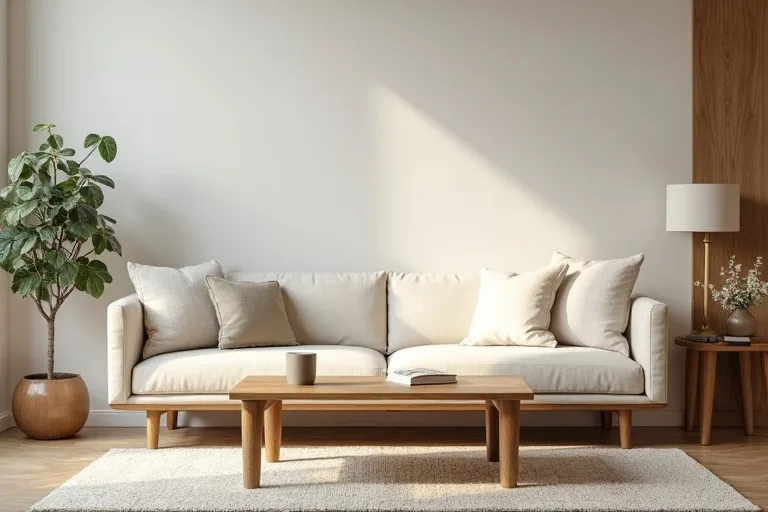
Confirm the coffee table dimensions first, then compare finishes and storage only after the layout feels right. If the table works with the room, a wood coffee table for living room use is often a reliable place to start.
- Choosing a table for style first and fit second.
- Ignoring the path people take through the room.
- Picking a shape that fights the sofa layout.
- Buying storage that adds bulk the room does not need.
- Skipping the final measurement check before ordering.
The best coffee table idea is usually the one that improves comfort, leaves clear movement paths, and matches how you actually use the living room. If the size works, the shape supports the seating plan, and the material suits daily life, the room will feel more settled right away.
Helpful next tools and planners
If you want to make the decision easier before you buy
These options are useful when you are moving from planning to purchase and want a clearer layout, a simpler shopping shortlist, or a better sense of what will fit.
FAQ
How far should a coffee table sit from the sofa?
It should feel close enough to reach comfortably, but not so close that knees or walkways feel cramped. The best distance depends on the overall room size and how much traffic passes through the seating area.
What shape works best for a small living room?
Round or oval tables often feel easier to move around in smaller rooms because they reduce sharp corners in tight circulation paths. A narrower rectangular table can also work if the room is long and the walkway stays clear.
Is a wood coffee table a practical choice?
Yes. A wood coffee table for living room use is often practical because it brings warmth, suits many styles, and works well with everyday objects without feeling overly delicate.
Should I choose storage or an open base?
Choose storage if the room needs help controlling clutter. Choose an open base if the room already has enough storage and you want the seating area to feel lighter.
Three sensible next steps
Some links in this article may be affiliate links. Read more in the Affiliate Disclosure.