
A coffee table can be the piece that ties a living room together, or the one that makes the whole room feel tight. The difference is usually not the style. It is the layout.
If a coffee table looks good but crowds the walkway, sits too close to the sofa, or takes up more visual space than the room can handle, comfort drops quickly. A few sizing and placement checks before you buy can save the room from feeling awkward later.
The biggest mistakes are choosing the wrong size, leaving too little clearance, and picking a shape that blocks movement. Before you buy, check the coffee table against the sofa, the walking path, and the amount of open space the room needs to feel calm.
Start with clearance, not style
The first mistake is treating the coffee table like a finishing touch instead of a layout decision. In a living room, the table affects how people sit, stand, pass through the room, and reach for a drink or book. If the clearance is off, even a beautiful table will feel inconvenient.
A good starting point is to think about the space around the seating area as carefully as the table itself. The goal is to leave enough room to move comfortably without forcing people to squeeze past the edge of the table every time they cross the room. If you are planning a new arrangement, the coffee table size calculator is the easiest place to check whether the table you want matches the room you actually have.
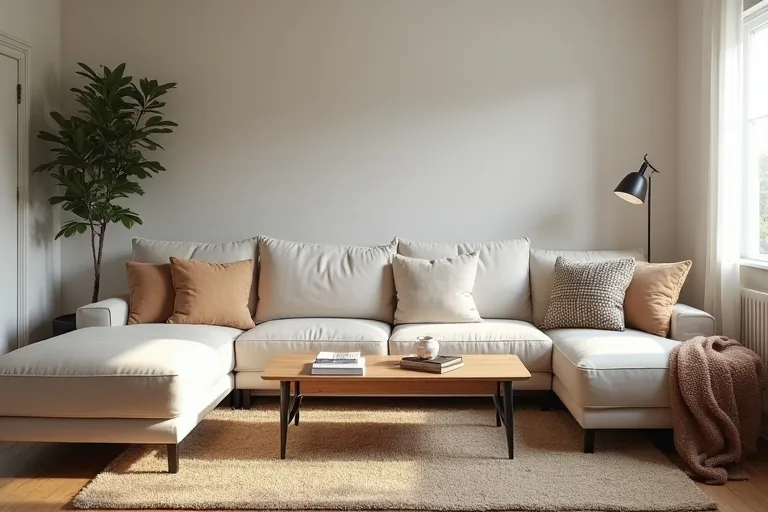
If the room feels hard to cross or the coffee table edge is constantly in the way, the issue is usually clearance, not decoration. Measure the path people use most often, then compare that with the table footprint before you commit to a purchase.
Get the scale right for the room
The second common mistake is choosing a coffee table that is too large for the seating zone. A table can be technically usable and still feel oversized if it dominates the center of the room or sits too close to the sofa and chairs. In smaller rooms, that often makes the whole arrangement feel heavier than it needs to be.
In larger rooms, the opposite problem can happen. A table that is too small can look lost and make the seating group feel disconnected. The key is not finding the most decorative option. It is finding a size that holds the room together without swallowing it.
Before you shop, confirm the sofa proportions too. If the sofa is already generous, the coffee table needs to make sense beside it. The sofa size calculator can help you check whether the seating and table are working as one layout instead of two separate purchases.
- Measure the seating zone first, not the table surface.
- Check how much open floor area is left after the table is placed.
- Look at the full arrangement from the doorway and the main walking route.
- Decide whether the room needs a lighter visual footprint or more grounding.
Choose a shape that supports movement
Shape matters more than many people expect. A rectangular coffee table can suit a long sofa or a more formal seating arrangement, while a round or oval table often works better when the room is tight or movement needs to flow around multiple sides. A square table can feel balanced in a boxier room, but it may also become bulky if the seating area is narrow.
There is no single best shape for every living room. The better question is whether the table helps the room move naturally. If corners are catching the eye or interrupting a walkway, the shape may be fighting the room plan.
This is where a simple planner can help you see the full layout before you buy. A tool or budget sheet is often more useful than another inspiration search because it keeps the decision grounded in the actual room.

If your room is small or has a busy traffic path, look for a shape that softens corners and keeps movement open. If the room is larger and the seating needs visual weight, a more defined shape may help anchor the center.
Watch height, function, and finish
Height mistakes are easy to overlook because the table may still look attractive in a store or on a screen. But if a coffee table sits too high or too low next to the sofa, it can feel awkward to use. The top should support everyday living: placing a mug down, stacking a few books, or resting a tray without needing to reach too far.
Function matters just as much as the profile. A table with sharp corners, a heavy base, or a finish that feels too reflective may look polished but work poorly in a room that needs softness and easy circulation. That is why many homes do better with a simple wood coffee table for living room use when the goal is comfort first and styling second. The right finish should support the layout, not compete with it.
Wood coffee table for living room options can be a sensible starting point once the size and shape are clear, because the material usually adds warmth without making the room feel busy. If you are still refining the look of the seating area, neutral throw pillow covers set living room choices can help you keep the palette calm while the layout settles.

Best next step
Before you buy, check the table against the room plan rather than judging it on appearance alone. The coffee table size calculator is the most direct next step if you want to confirm clearance, proportions, and fit before choosing a wood coffee table for the living room.
- Choosing a table before checking how much walking space the room needs.
- Letting the coffee table take up too much of the seating zone.
- Picking a shape that blocks movement around the sofa.
- Ignoring height, which can make the table uncomfortable to use.
- Buying a style-first piece without testing how it works in the full layout.
The best coffee table is the one that fits the room without crowding it. If the clearance, scale, shape, and height all work together, the table will feel calm and useful instead of being something you have to work around.
Helpful next tools and planners
If you want to make the decision easier before you buy
Start with planning, then move to purchase decisions only after the layout makes sense. These options fit that order.
FAQ
How much space should be left around a coffee table?
You want enough room for easy movement and everyday use. If the table makes the seating area feel tight or interrupts the main path through the room, it is usually too large or placed too close.
Is a round coffee table better for small living rooms?
Often, yes. A round table can soften corners and make movement easier, especially when the room feels narrow. But the best shape still depends on the sofa size and the full layout.
Should a coffee table match the sofa exactly?
No. It should work with the sofa, but it does not need to match it in style or tone. What matters most is proportion, height, and whether the two pieces feel balanced together.
What should I check before buying a wood coffee table?
Confirm the footprint, the walking space, the height next to the sofa, and the way the table shape affects movement. If those points work, the material choice becomes much easier.
Three sensible next steps
Some links in this article may be affiliate links. Read more in the Affiliate Disclosure.