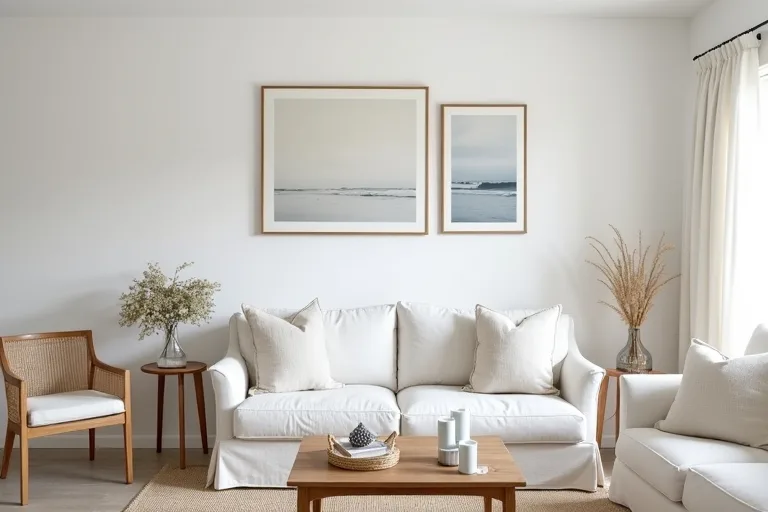
Coastal style is one of those looks that can go very right with very little, or become expensive without actually looking better. The difference is usually not in how many decorative items you buy. It is in how clearly the room is planned before you start.
If you want a coastal room that feels calm rather than themed, it helps to separate the visual idea from the practical decisions. A budget version can work beautifully when the palette, texture, and furniture layout are handled with care. A bigger budget mainly improves the materials, comfort, and finishing details.
Budget coastal style can look great if you keep the palette, texture, and layout simple; bigger budgets mainly improve materials, furniture quality, and finishing details.
What coastal style needs to feel right
Coastal interior design works best when it feels light, relaxed, and practical. The room does not need to be filled with shells, stripes, or obvious seaside references. In fact, the most convincing versions usually stay closer to natural materials and a soft, layered palette.
The basics are fairly simple: light walls, comfortable seating, a few natural textures, and enough breathing room around the main furniture. That is why coastal style often suits homes that already have good daylight or a layout that does not feel crowded.
When the room plan is clear, you can make cheaper choices without the space looking unfinished. You can also spend more in a way that actually changes comfort, not just appearance.

Before you buy anything, ask whether the room needs a style update or a layout update. If the furniture placement, traffic flow, or scale is off, decorative shopping will not fix the problem. Start with the room plan, then build the coastal look around it.
The budget version: where to keep things simple
A budget coastal room is usually strongest when it relies on a few well-chosen essentials instead of a long shopping list. Paint, textiles, and a small number of natural-finish pieces can do most of the work.
For many rooms, the smartest budget approach is to keep the larger furniture plain and durable, then use softer layers to create the coastal feel. That means you do not need every item to be special. You need the overall mix to feel calm.
Here is a simple way to think about it:
- Use a light, restful wall color as the base.
- Choose one or two natural textures, such as linen, wood, rattan, or woven baskets.
- Keep furniture shapes simple and easy to live with.
- Add a few finishing pieces rather than filling every surface.
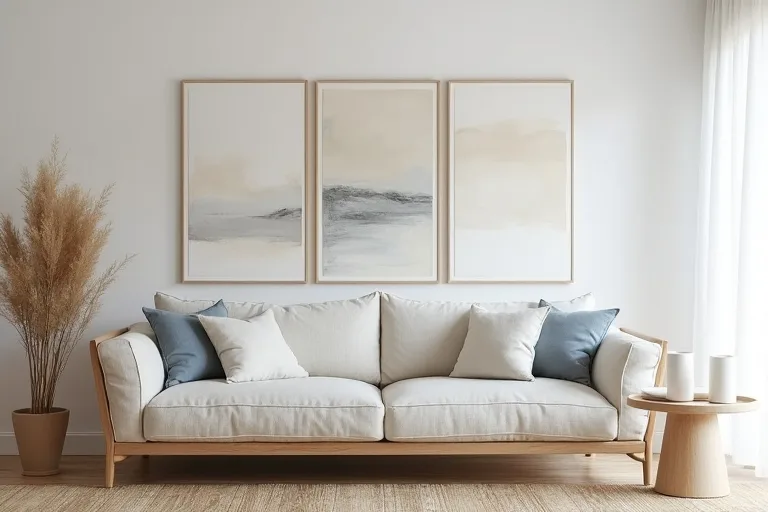
This is also where smaller updates can matter more than expected. A framed neutral abstract wall art set can soften the room without making it feel overdecorated, and a modern candle holders set can add a tidy finishing note on a coffee table or shelf.
The bigger-investment version: where quality changes the room
A larger budget does not need to create a more styled room, but it can create a more comfortable and lasting one. In coastal interiors, the biggest differences usually come from furniture quality, better fabric choices, and more careful lighting.
If you invest more, focus on the parts you use every day. A sofa that keeps its shape, dining chairs that feel sturdy, and layered lighting that makes the room usable in the evening will have a bigger effect than decorative extras. Better materials also tend to make the room feel less temporary.
This is the version where custom or higher-quality pieces can help the room look settled rather than assembled. You may also notice that the styling itself becomes easier, because the larger items already carry the visual balance.
If you are unsure whether to save or spend, compare the item’s visual role with its daily use. Spend more on the pieces that anchor the room, get touched every day, or affect comfort. Save on items that mainly finish the surface of the room.
How to decide what to spend first
The easiest way to avoid overspending is to decide the order before you shop. Coastal style can tempt you into buying soft accessories first, but that often leads to mismatched pieces and duplicate purchases.
Use this order instead:
- Plan the layout and check the scale of the main furniture.
- Set the wall color and larger surface finishes.
- Choose the main seating or storage pieces.
- Add textiles, lighting, and one or two finishing accents.
- Only then decide whether the room needs more wall art or decorative objects.
If you want help staying disciplined, a room planning tool can be more useful than another shopping list. It gives you a clearer view of what the room actually needs before you spend money on details that may not solve the real problem.
Best next step
If you are trying to make a coastal room decision without drifting into random buying, start with planning first. That keeps the budget clear and makes it easier to see what the room really needs before you commit to a style path.
- Buying decorative pieces before the room layout is settled.
- Using too many obvious coastal symbols instead of a calm palette.
- Spending heavily on small accents while leaving the main furniture underplanned.
- Choosing light colors but forgetting texture, which can make the room feel flat.
- Skipping a budget limit and then trying to correct the room with more shopping.
Coastal style does not need a large budget to feel considered. If you keep the room plan simple, use a restrained palette, and focus on texture and scale, the budget version can feel complete. A bigger investment mainly improves comfort, material quality, and the sense that the room will age well. The real decision is not budget versus premium decor. It is whether you are fixing the layout first and then styling what the room already needs.
Helpful next tools and planners
If you want to make the decision easier before you buy
These are useful if you want to map the room before adding coastal details. A planning-first approach usually saves more money than one more decor purchase.
FAQ
Can coastal style work on a tight budget?
Yes. Keep the palette soft, rely on texture, and limit purchases to the pieces that support the room plan. Coastal style often looks better when it is edited down.
Where should I spend more in a coastal room?
Spend more on the furniture and lighting you use every day, especially the sofa, chairs, and key lamps. Those choices affect comfort and the room’s long-term feel.
What can I save on without hurting the look?
You can usually save on smaller decorative accents, some accessories, and pieces that only finish the room visually. Just make sure the main furniture is the right size and shape.
Do I need obvious seaside decor for the style to read coastal?
No. Calm colors, natural textures, and good spacing usually do more for the style than themed decor. A quieter approach often feels more timeless.
Three sensible next steps
Some links in this article may be affiliate links. Read more in the Affiliate Disclosure.