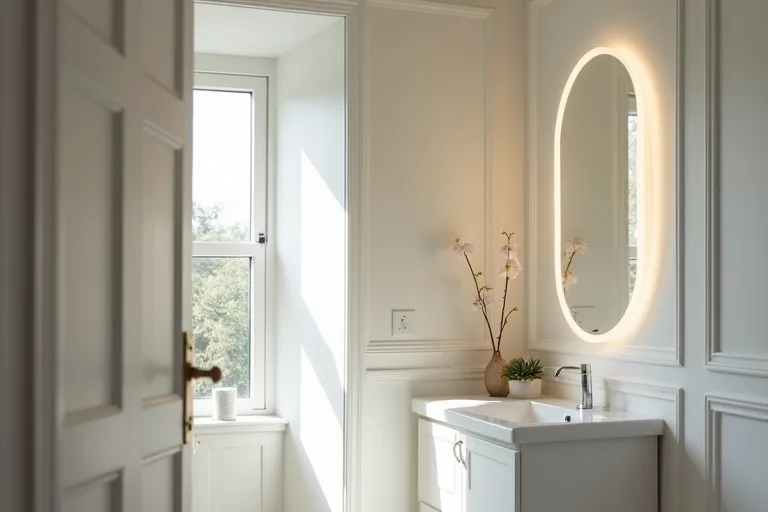
Some home updates look impressive but barely change how a room works. Others are modest, practical, and immediately noticeable the moment you walk in.
If you want the second kind, the best approach is simple: start with the parts of the room people see and use every day, then check the budget before you buy anything.
Focus on the most visible, most used parts of the room first. In most spaces, that means lighting, paint, hardware, storage, and a few small fixes that remove friction without creating a bigger project.
What counts as a high-impact upgrade
A high-impact upgrade is not just the cheapest thing you can do. It is the change that improves the room’s look, function, or comfort in a way you notice every day. That might mean better light over a mirror, a fresher wall color, simpler storage, or replacing a worn detail that makes the whole room feel tired.
The point is not to remodel more. It is to spend where the room gives you the most return in daily use. In a bathroom, for example, the vanity area is often the most visible zone and the one you interact with most. That makes it a smart place to start before you spread money across less important updates.
Low-cost upgrades work best when they solve a real problem: a room feels dark, cluttered, dated, or harder to use than it should be. If an improvement only changes the mood in theory, it is usually less valuable than one that changes the experience of the room every morning.
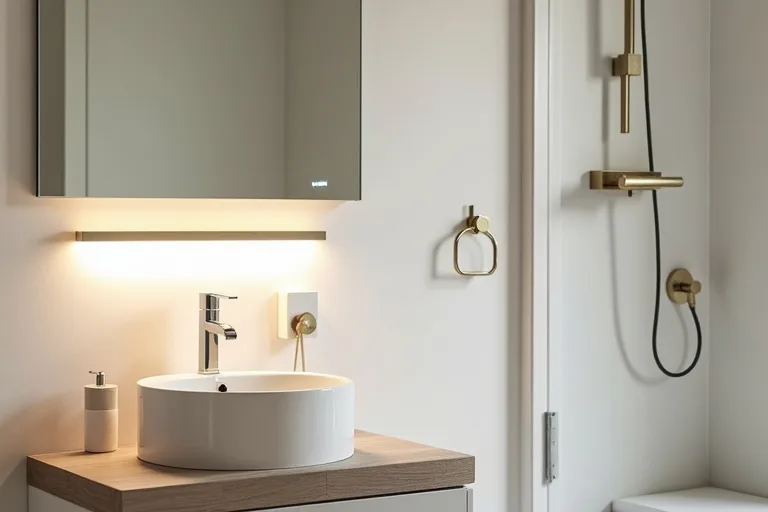
Before you spend, ask one question: does this upgrade change what you notice first when you enter the room, or how you use it every day? If the answer is no, it may be a nice improvement but not a high-impact one.
How to choose the right low-cost changes
The easiest way to avoid overspending is to choose upgrades based on visibility and use. A change that is seen every day and used every day usually beats a hidden improvement with a bigger price tag.
For most rooms, a good order looks like this:
- Fix the most noticeable weak point.
- Improve the light or paint if the room feels dull.
- Update hardware or fittings that look worn.
- Add storage only where clutter is causing daily frustration.
- Stop before small add-ons turn into a bigger budget.
That order keeps the work grounded. It also helps you separate what is genuinely useful from what is just tempting while you are shopping. If the room already works well, a smaller change may be enough. If it feels awkward to use, solve that first before thinking about finishes.

Quick wins that usually deliver the most value
Some upgrades earn their place because they are simple, visible, and easy to live with. These are the ones worth considering first when the budget is tight.
Lighting is often the most effective place to start. A better fixture can make a room feel brighter, cleaner, and more finished without changing the layout. In a bathroom, a modern LED vanity light fixture above the mirror can be especially useful because it improves the most visible task area while keeping the rest of the room calm.
Paint is another dependable upgrade. If the room feels dull, a better wall color or a cleaner finish can refresh the space without touching the layout. Hardware swaps, such as new pulls or handles, can also help when the room is structurally fine but visually tired.
Storage changes deserve a closer look when clutter is the real issue. A small shelf, a better tray, or a simpler organizer can make the room easier to use without a major project. The key is not to buy storage just because it is available. Buy it when it removes something that is actually getting in the way.
Plan the spend before you start
Once you know which upgrades matter, the next step is to work out the budget before anything is ordered. This avoids the common trap of choosing fixtures first and then trying to fit the rest of the project around them.
For a bathroom update, it helps to confirm the cost of the lighting change, any installation help you may need, and the small extra items that often get missed. Measuring carefully matters too. A quick check with a laser measure tool for home projects can save you from ordering the wrong size or planning around a fixture that will not fit cleanly.
If you want a simple way to keep the numbers under control, a budget planner can help you compare ideas before you commit. That is especially useful when you are balancing one or two upgrade paths and trying to decide which one gives you the clearest improvement for the money.
For readers who like to compare practical options, the planned approach matters more than the product itself. Buy after the room decision is clear, not before.
Best next step
Before you buy a fixture or start a bathroom update, check the numbers and confirm the room plan. The easiest way to stay calm on budget is to price the change first, then decide what is truly worth doing.
- Buying finishes before deciding which part of the room needs the most help.
- Spending on upgrades that are hidden or rarely used.
- Underestimating small costs like fittings, hardware, or installation help.
- Choosing lighting by style alone instead of by where the room needs better visibility.
- Letting a minor refresh turn into a larger project without a clear budget cap.
High-impact, low-cost upgrades are the ones that improve the room where it matters most: the part you see first and use most often. Start with lighting, paint, hardware, and practical storage, then check the budget before buying. In many bathrooms, the vanity lighting zone is the smartest place to begin because it affects both the look of the room and the way it works every day.
Helpful next tools and planners
If you want to make the decision easier before you buy
Use these only after the planning step. They are most useful when you already know which upgrade you want and are checking fit, budget, or a simple way to track the project.
FAQ
What is the best low-cost upgrade in a bathroom?
Lighting is often the best place to start, especially around the vanity, because it changes both how the room functions and how finished it feels.
Should I start with paint or fixtures?
Start with the change that solves the bigger problem. If the room feels dark, lighting may matter more. If the room feels tired but works well, paint may be the better first step.
How do I stop a small project from becoming expensive?
Set a simple budget before shopping, include small extra costs, and decide in advance what you will not add once the main upgrade is chosen.
Do I need a professional for every upgrade?
No. Simple cosmetic changes can often be DIY-friendly, but anything involving electrical work, plumbing, or uncertain fitting is better handled by a professional.
Three sensible next steps
Some links in this article may be affiliate links. Read more in the Affiliate Disclosure.