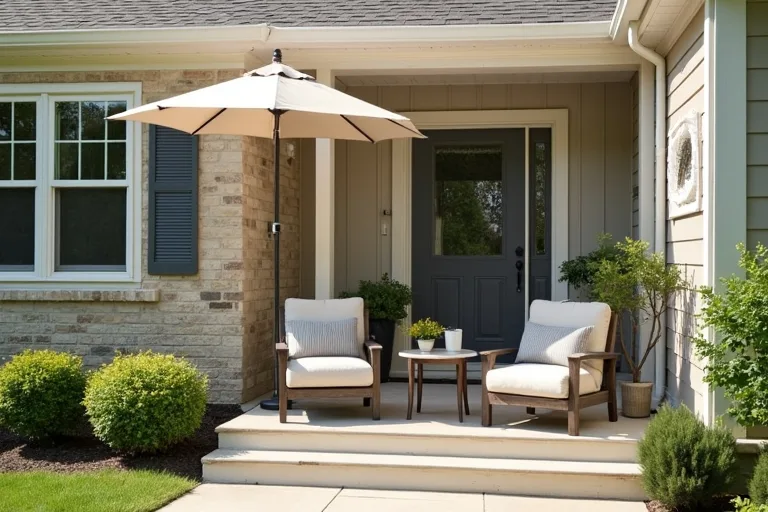
A front porch can look finished and still feel awkward in daily use. Maybe the chairs crowd the walkway, the space gets too hot in the afternoon, or there is nowhere comfortable to pause without blocking the door. That is usually not a styling problem first. It is a layout problem.
The best front porch ideas start with how the space needs to function. Once the flow makes sense, a few simple comfort choices can make the porch feel calmer, more welcoming, and easier to use every day.
Start with seating, shade, and clear walk space, then add a few comfort layers that fit the porch size. If the porch does not feel usable, fix the layout before you buy more decor.
Start with layout, not decor
The fastest way to improve a porch is to decide what it should actually do. Some porches are mainly for greeting guests. Others need to support morning coffee, a small conversation area, or a simple outdoor dining spot. The right choice depends on how much space you have and how people already move through it.
Before shopping, look at three things: the door swing, the main walking path, and the place where seating would feel natural. A porch works best when a person can enter, leave, sit down, and stand up without stepping around furniture. That is especially important on small porches, where one extra chair can change the whole feel of the space.

If the porch feels underused, it is often because the main activity is not obvious. A single chair beside the door reads differently from a pair of chairs with a small table between them. A bench near the entry can work well for brief pauses, while a larger seating arrangement only makes sense if the porch has room to spare.
Ask one question before you move anything: is this porch meant to welcome, sit, or dine? If you cannot answer that clearly, the space will usually feel crowded no matter how nice the furniture is.
Choose seating that fits the porch, not the wish list
Seating is usually the biggest decision on a front porch, and it is also where many spaces go wrong. Oversized furniture can make a porch feel smaller than it is, while tiny pieces can look lost and offer little comfort. The goal is not to fit as much as possible. The goal is to make the seating area easy to approach and pleasant to stay in.
For smaller porches, two simple chairs and a compact side table are often enough. A bench can work well when the space is narrow, especially if the entry path needs to stay open. For medium porches, a pair of chairs with a table between them gives the area a clear purpose without making it feel heavy.
When you are planning the arrangement, it helps to think in this order:
- Measure the walking route first.
- Choose the main activity for the porch.
- Place the largest furniture item next.
- Add only the pieces that support that activity.
- Leave enough open space for the door and movement.
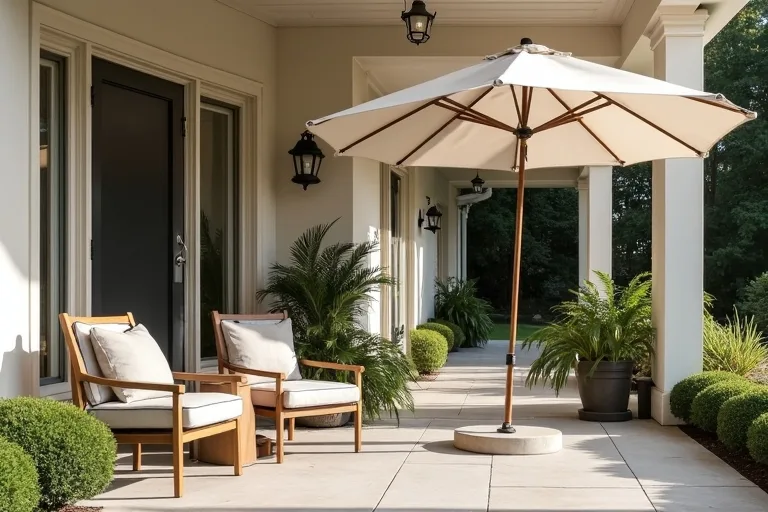
This is also where the room-size mindset helps. If you are unsure whether the porch can handle a seating group, map the area before you buy. A simple layout plan often reveals that a space needs fewer pieces, not more. That is usually the calmer and more usable choice.
Add comfort layers that do real work
Once the layout is clear, comfort layers can do a lot with very little. Shade is one of the most useful upgrades because it changes how long the porch stays comfortable during the day. A 9 ft patio umbrella with base can be a practical choice for a sunny seating or dining zone when the porch setup allows it. It adds function first, which is exactly what a porch needs when sun exposure makes the space hard to use.
Outdoor pillows are another simple improvement, but they work best when they support the seating plan instead of covering it. Neutral outdoor throw pillow covers set can soften a hard chair or bench without making the porch feel busy. They are most useful when the furniture is already in the right place and just needs a little more comfort.
Weather-friendly materials matter too. On a front porch, every item should feel easy to move, clean, or replace. That does not mean everything has to match. It does mean the space should handle daily life without becoming fragile or fussy. If you are choosing between a decorative piece and a useful one, the useful one usually wins on a porch.
Comfort layers should solve a specific problem. Shade should reduce heat or glare. Pillows should improve seating comfort. A table should hold a drink, not just fill a gap.
Keep the porch open, calm, and easy to maintain
The porches that feel most relaxed are often the ones with the least visual friction. That means fewer loose items, fewer pieces fighting for attention, and a clearer sense of where people should stand or sit. If a porch feels crowded, the answer is usually subtraction before addition.
A useful porch often has just three zones: a place to sit, a place to set something down, and a clear entry path. If the porch is large enough, a dining or conversation area can make sense. If not, a simple greeting area is enough. Trying to force too many functions into one small outdoor space is what usually makes it feel tiring instead of welcoming.
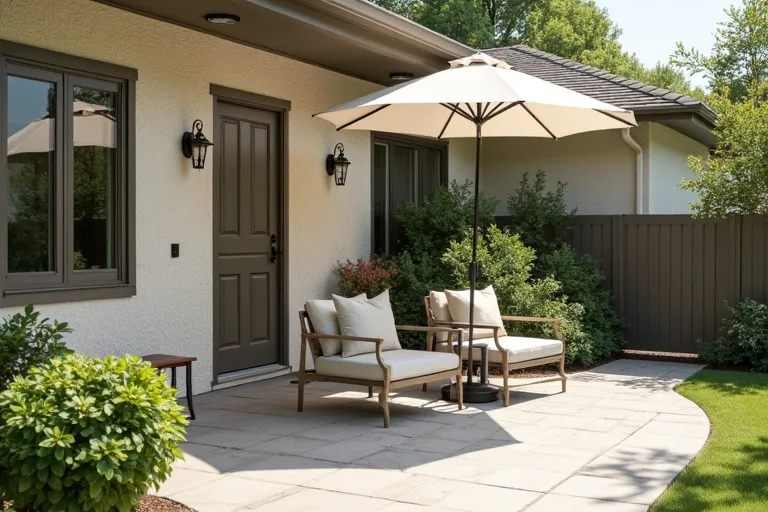
For a more flexible setup, choose pieces that can shift easily. A lightweight side table, removable pillows, and a compact umbrella can adapt better than fixed arrangements that only work in one season. That kind of planning makes the porch easier to live with, not just easier to photograph.
Best next step
Before you buy anything else for the porch, plan the layout first. The Room Layout Planner can help you check seating, spacing, and zone placement so the space feels useful as well as calm. If you want to narrow down the style direction after that, try the Home Style Quiz or browse the Outdoor Living hub for more porch-friendly ideas.
- Buying decor before deciding how the porch will actually be used.
- Placing furniture in a way that blocks the entry or tightens the walking path.
- Choosing oversized seating that overwhelms a small porch.
- Adding too many accessories and losing the calm, open feel.
- Ignoring shade, which can make the porch hard to use for part of the day.
- Mixing too many functions into a space that only has room for one or two.
The best front porch ideas are not about filling every corner. They are about making the space easier to enter, easier to sit in, and easier to enjoy. Start with layout, choose seating that matches the porch size, and add only the comfort layers that improve real use. If you plan the space before shopping, the porch will feel calmer and work harder all season.
Helpful next tools and planners
If you want to make the decision easier before you buy
A few practical tools and products can help you turn a porch idea into a workable plan. Keep the focus on fit, comfort, and layout first.
FAQ
What makes a front porch feel more usable?
Clear walk space, seating that fits the porch size, and one or two comfort features that solve a real problem, such as shade or better seating support.
How do I style a small front porch without making it crowded?
Keep the furniture count low, use compact pieces, and leave the entry path open. A small porch usually works best with one clear purpose.
Is shade worth planning for on a front porch?
Yes, especially if the porch gets strong sun at certain times of day. Shade can make the space usable for longer and more comfortably.
What should I buy first for a front porch update?
Plan the layout first, then choose the seating and any comfort layers that support the way you want to use the porch.
Three sensible next steps
Some links in this article may be affiliate links. Read more in the Affiliate Disclosure.