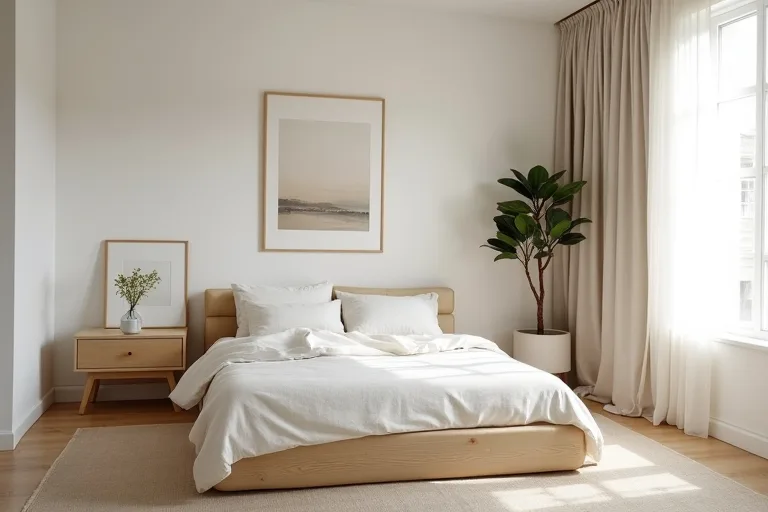
Minimalism works best when the room feels quiet, not empty. The problem is that many rooms chase the look before they settle the plan, and the result can feel stiff, underlived, or oddly deliberate.
If a space seems forced, the issue is usually not the idea of minimalism itself. It is a mix of layout, scale, surface choices, and too many objects competing for attention. Once those are simplified, the room usually feels calmer right away.
Minimalism feels forced when the room loses balance, function, or warmth. The fix is usually not adding more decor. It is choosing a clearer layout, reducing visual noise, and keeping a few softer finishing touches so the room still feels livable.
Why minimalist rooms start to look staged
A minimalist room feels natural when every choice has a reason. The moment pieces are included only because they match, the space can start to feel like a display. That usually happens when people strip away too much personality or repeat the same shape, color, or finish until the room loses depth.
Another common issue is confusing clean lines with blankness. Minimalism is not about removing every visible object. It is about making the room easier to read. You should still be able to tell where the seating area begins, how the bed is anchored, and which items support daily use.
That is why the style often looks better when the planning comes first. If the layout is weak, even the most carefully chosen neutral pieces can feel like they were placed there to prove a point.
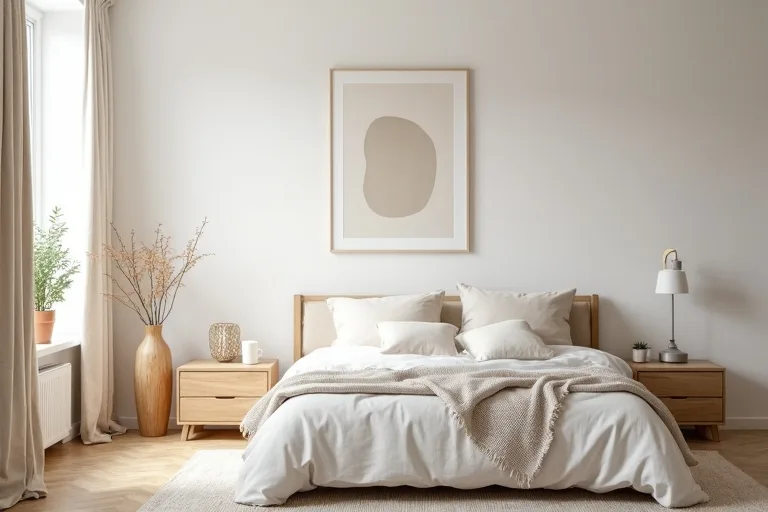
Ask whether the room looks calm because it is well planned, or because you removed too much. If the answer is “too much removed,” the space probably needs better layout and a few warmer finishing details rather than more styling.
Layout and scale: the mistake that makes everything feel off
In minimalist interiors, scale problems are easier to notice because there is less around them to hide behind. A sofa that is too large, a rug that is too small, or bedside tables that are crowded against the bed can make the whole room feel awkward even if the finishes are beautiful.
Spacing matters just as much as the objects themselves. Minimalist style needs a little breathing room around key pieces so the eye can rest. When furniture is pushed too tightly together, the room looks busy. When it is spread without purpose, it looks unfinished.
A simple planning sequence usually helps:
- Decide what the room must do every day.
- Place the largest furniture first.
- Check walking space and visual balance.
- Add only the pieces that support the plan.
If you are working on a bedroom, it can help to begin with the room’s main path and the bed placement before you think about decor. A cleaner layout often solves more than a new accessory ever will. For more room-specific planning ideas, see bedroom ideas.
Too many matching pieces can flatten the room
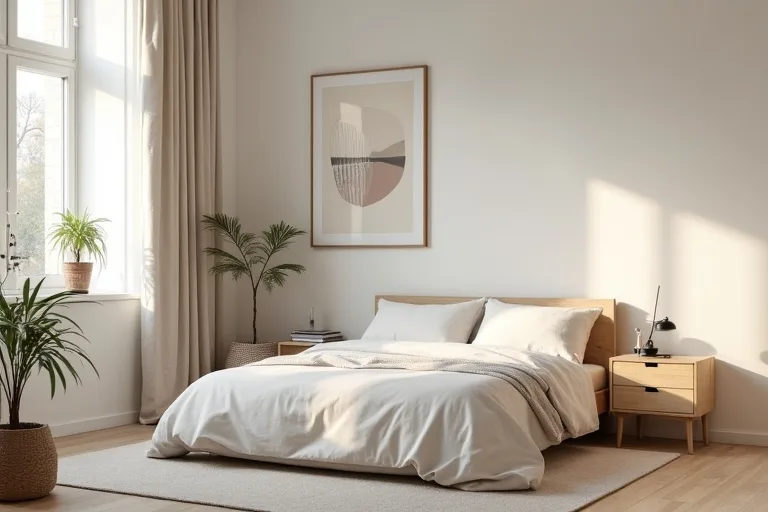
Minimalist design can become monotonous when every item looks too similar. Matching wood tones, matching white surfaces, and matching soft furnishings may seem safe, but if everything is equally quiet, nothing stands out enough to give the room shape.
The answer is not to add clutter. It is to introduce small differences that still respect the overall calm. A matte finish next to a softer textile, a warm wood tone beside a cooler wall color, or a single framed piece of art can be enough to keep the room from feeling flat.
That is also where restraint matters. One strong item is usually better than five weak ones. A framed neutral abstract piece can bring focus without creating visual noise, especially when the rest of the room stays simple. If you are choosing finishing layers, something like a neutral abstract wall art framed set can work well because it adds structure without crowding the space.
Soft window treatments can help for the same reason. Linen curtain panels neutral can soften a hard-edged room and make the minimal palette feel more lived in. The goal is not decoration for its own sake. It is texture that supports the room plan.
Light, texture, and finishing touches are what keep minimalism human
Harsh lighting is one of the fastest ways to make minimalism feel cold. If the room is relying on strong overhead light alone, the clean lines can start to feel clinical rather than calm. Softer layers of light, even if they are subtle, usually make the room easier to live in.
Texture matters for the same reason. Smooth surfaces everywhere can look polished in a photograph but flat in daily life. A woven throw, a linen curtain, matte paint, or natural wood details can break up that flatness without adding visual clutter.
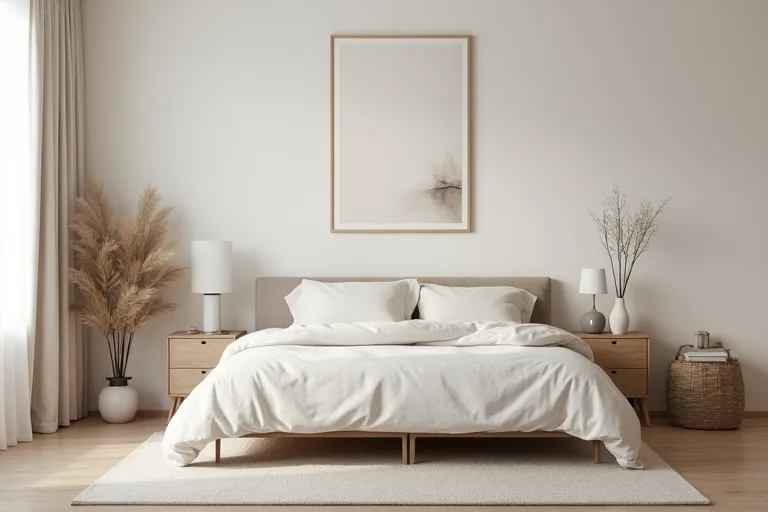
This is usually the point where the style starts to feel right. Not because more items were added, but because the room gained enough contrast to feel complete. A neutral room should still have a sense of depth, touch, and use.
If you want a practical next step before buying anything else, use a planning tool first. A simple room planning system can help you sort what the room needs from what would just be another purchase. The tools hub is a good place to start, and a room planning bundle can help you map changes before you shop. For a structured digital option, see the Home Planning System Bundle, Room Makeover, Small Space, Budget Tool.
Best next step
If your minimalist room still feels forced, pause before buying more decor. Start by checking the layout, the size of your main pieces, and whether the room has enough warmth to feel practical every day. A planning tool can make that decision much easier than guessing from inspiration photos.
- Removing so much that the room loses its sense of use.
- Buying matching pieces before checking layout and scale.
- Leaving too little breathing room around the main furniture.
- Using only hard surfaces and bright overhead light.
- Choosing decor that is technically neutral but has no texture or contrast.
- Adding several small objects instead of one or two pieces with purpose.
Minimalist interiors feel forced when the room is edited without a plan. The style works best when layout, scale, and everyday function are clear first, then texture, light, and a few restrained details are used to finish the room. If you keep the space simple but not bare, calm without coldness is usually the result.
Helpful next tools and planners
If you want to make the decision easier before you buy
These are useful if you are still deciding what the room actually needs. Start with planning, then add only the pieces that support the layout and the overall feeling you want.
FAQ
Why does minimalist decor sometimes feel cold?
It usually happens when the room has too many hard surfaces, too little texture, or lighting that is too harsh for the finishes.
How do I make a minimalist room feel less empty?
Focus on the layout first, then add one or two pieces with purpose, such as a framed artwork or softer curtains, instead of filling the room with small objects.
What is the biggest mistake in minimalist bedroom styling?
Using pieces that match too closely without enough variation in texture, tone, or scale. That can make the room feel flat rather than calm.
Should I buy decor before fixing the layout?
No. In most cases, the layout and furniture sizing should be decided first. Decor works best after the room has a clear structure.
Three sensible next steps
Some links in this article may be affiliate links. Read more in the Affiliate Disclosure.