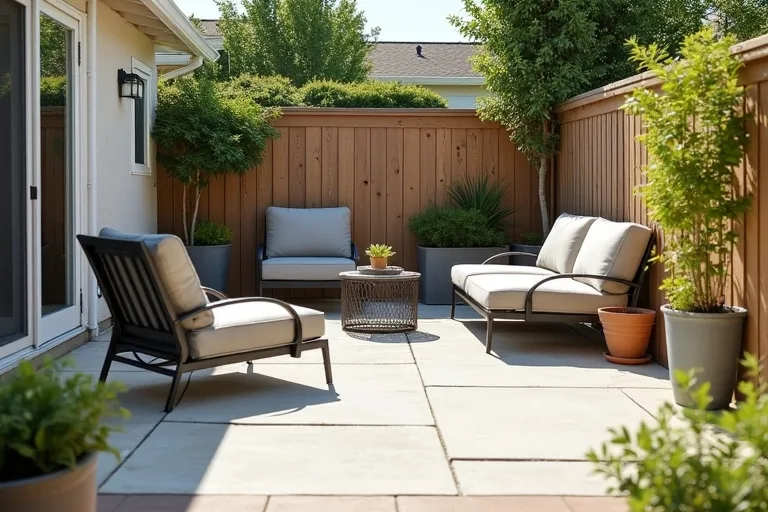
Backyard seating areas are easy to overbuy. A table, a few chairs, a set of cushions, then a storage box and some decor can sound simple until the pieces no longer fit the space or each other.
The better approach is to plan the layout first, then choose furniture and accessories that support how you actually use the yard. That usually means fewer regrets, less clutter, and a seating area that feels easier to live with.
Measure the space, define the seating purpose, and plan storage before you shop. If you know how people will move through the area, where cushions will live, and how many seats you truly need, buying patio furniture becomes much simpler.
Start with the job the space needs to do
Before you look at furniture styles, decide what the backyard seating area is supposed to handle. A quiet reading corner, a place for two people to talk, and a family gathering zone all need different footprints.
For a small or awkward yard, the best choice is often a modest conversation set or a pair of lounge chairs rather than a larger dining-style arrangement. If the area is meant for daily use, comfort and clear access matter more than matching pieces.
Think about these questions first:
- Will this be a solo seating spot, a place for two, or a group area?
- Will people eat here, talk here, or just sit for a short break?
- Do you want a fixed setup, or something easy to move when needed?
Once the use is clear, you can compare furniture with a real purpose instead of decorating by instinct.

If you cannot explain the space in one sentence, slow down. “Two seats for morning coffee with room to walk past” is a clearer buying brief than “something nice for the patio.”
Measure the space before you shop
Good backyard seating area ideas start with the actual footprint, not the furniture listing photos. Measure the patio or deck area, then mark the fixed points that affect the layout: doors, steps, gates, hose bibs, planter edges, and anything else that cannot move.
Leave room for natural movement around the furniture. If the layout feels tight on paper, it will usually feel tighter outside once cushions, people, and side tables are added.
A simple order helps:
- Measure length and width of the seating area.
- Mark entry points and the path people will use most often.
- Note where the sun falls during the time you plan to sit there.
- Check where storage can sit without blocking access.
- Only then compare furniture sizes and set counts.
If you want a cleaner way to think through fit and flow, the room layout planner is a useful next step, even for outdoor spaces. It helps you work out what belongs where before you buy.
Choose seating, shade, and storage together
Seating should not be chosen in isolation. A chair that looks right may be uncomfortable in direct sun, and a sofa that fits the space may leave nowhere to store cushions when the weather turns.
Think of the main pieces as one small system. The seats, the table, the shade, and the storage all affect each other. If one part is oversized, the whole area can feel crowded.
Start with the seat count you actually need. Then decide whether the layout works better with a compact conversation set, two lounge chairs, or a slightly larger four-piece setup. A 4 piece outdoor patio conversation set can make sense if you need a balanced setup for casual use, but only if the footprint leaves comfortable walking room.
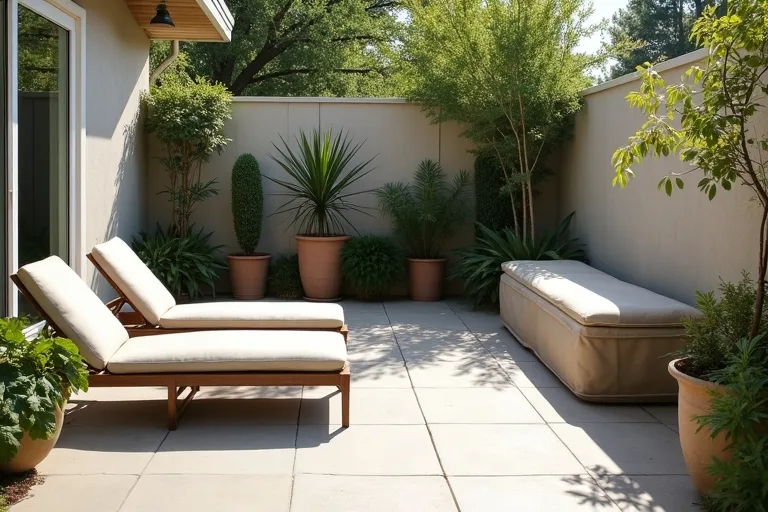
Storage matters just as much as seating. If cushions, throws, and small outdoor items do not have a place to go, they tend to end up on the nearest chair or table. A deck storage box waterproof is a straightforward way to hide cushions and outdoor clutter without turning the area into a storage zone.
If you are still deciding whether the furniture footprint will fit, compare your layout with a simple home planning tool or use the Outdoor Living hub for related ideas and sizing guidance.
Add decor last and keep the budget in line
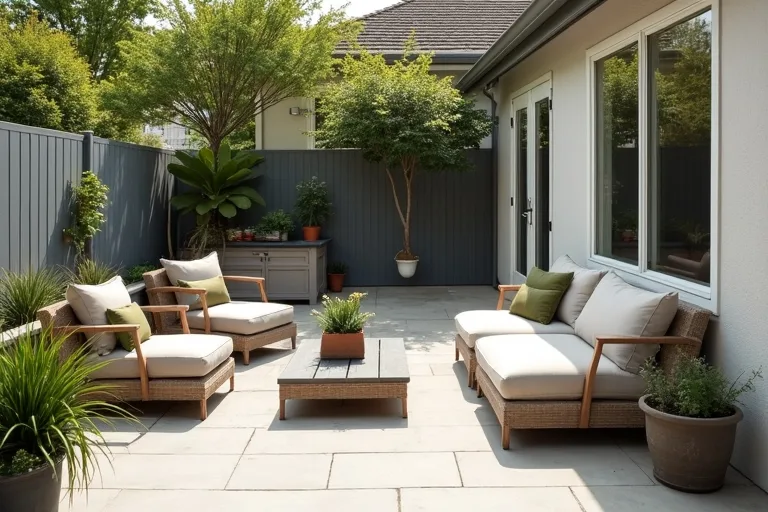
Decor is easier to choose after the layout is settled. Once the seating, shade, and storage are in place, you can add a rug, a planter, or a small side table without guessing.
This is where many backyard seating area projects go off track. People buy cushions and accessories first, then realize the scale is wrong or the area feels busy. A calmer approach is to keep decor secondary to the floor plan.
If you want a simple planning aid before spending, a budget sheet or layout tracker can help keep decisions contained. The Room Makeover Planner, Home Layout Budget Spreadsheet (Digital Download) can be useful if you want to track what fits the space and what still needs to be bought.
Keep the final layer restrained. A few well-chosen pieces usually work better outdoors than a crowded mix of decorative items that have to be moved every time the space is used.
Best next step
Before you buy patio furniture or decor, map the backyard seating area so you can confirm fit, flow, and storage. That one step usually prevents the most expensive mistakes.
- Buying a furniture set before measuring the full usable space.
- Forgetting to leave room for doors, steps, and walking paths.
- Choosing decor before storage is sorted.
- Adding too many seats for the size of the area.
- Ignoring sun, wind, and weather exposure until after the purchase.
The smartest backyard seating area ideas start with layout, seating purpose, and storage. If those three things are clear, patio furniture and decor become easier to choose, easier to place, and much more likely to stay useful.
Helpful next tools and planners
If you want to make the decision easier before you buy
These options can help you move from planning to purchase with less guesswork. Start with the layout, then use the product ideas only if they fit the space you measured.
FAQ
How do I know how many seats I need?
Count the people who will use the area most often, not the largest possible gathering. For many yards, two to four seats is enough once the space is measured properly.
Should I buy cushions before the furniture?
No. Start with the furniture size and layout first, then choose cushions that fit the pieces you actually buy.
What is the best storage for patio cushions?
A waterproof deck storage box is a simple option if you want to keep cushions dry and reduce clutter near the seating area.
What should I do if my backyard is small?
Keep the plan simple: fewer seats, tighter furniture footprints, and clear walking space. A small layout can feel better than a crowded one.
Three sensible next steps
Some links in this article may be affiliate links. Read more in the Affiliate Disclosure.