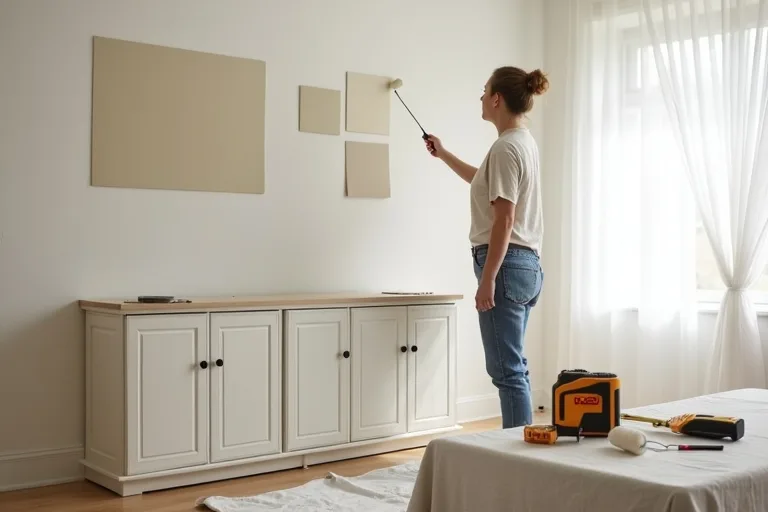
When a room starts to look tired, the first question is usually not what color to choose. It is whether a fresh coat of paint will actually solve the problem, or whether the space needs a deeper fix.
The smartest updates are often the least dramatic ones. If the room still works, paint can reset it quickly and keep the budget available for the changes that matter most.
Paint when the structure works; replace when damage, layout, or function is the real problem. If the surface is sound and the issue is mostly visual, paint is usually the lower-risk choice. If the item is broken, poorly fitted, hard to clean, or no longer doing its job, replacement is usually money better spent.
What paint can realistically fix
Paint is best at changing the feeling of a room without changing the room itself. It can soften dated walls, brighten dark trim, unify mismatched finishes, and make older cabinets look cleaner and more intentional. In many homes, that is enough to move a space from distracting to settled.
The key is to separate appearance problems from function problems. Scratched walls, faded woodwork, minor color fatigue, and a cabinet finish that still feels solid are all good candidates for paint. So are rooms that look busier than they need to because several surfaces compete with each other.
Paint is less effective when the underlying issue is mechanical or structural. If drawers stick, hinges fail, boards are swollen, water damage is active, or the layout makes the room frustrating to use, paint can only hide that for a while.
For planning a wall refresh, it also helps to measure before you decide. A quick size check gives you a clearer sense of how far a low-cost update can go, and it keeps the project from becoming a vague shopping exercise.

Ask one simple question: if the surface were freshly painted tomorrow, would the room actually work better? If the answer is yes, paint is probably the right first move. If the answer is no, the real issue is likely replacement, repair, or rethinking the layout.
When replacement is the better use of money
Replacement makes sense when the item has reached the point where a cosmetic fix would only delay the next spend. That is often true for cabinets with failing hardware, trim that is damaged beyond a clean finish, flooring with wear that is impossible to disguise, or fixtures that no longer suit the room’s use.
It also makes sense when the existing piece is blocking a better layout. A room can look fine after paint and still feel cramped, awkward, or inefficient every day. In that case, a replacement may cost more upfront but save frustration over time.
Use this short order of thinking:
- Check whether the item is structurally sound.
- Check whether it still functions the way you need it to.
- Check whether paint would only delay a bigger problem.
- Choose replacement only if the answer to the first three questions is no or mostly no.
That sequence keeps the decision grounded. It also prevents a common mistake: spending on a cosmetic update that cannot fix a bad fit, a poor layout, or a piece that is already near the end of its life.

How to compare common rooms and surfaces
Some parts of a home are usually better paint candidates than others. Walls, trim, and solid cabinet boxes often respond well to paint when the surface is stable. These areas can look dramatically better without requiring a full redesign.
Other surfaces deserve a more cautious look. If a bathroom vanity has swelling, a kitchen cabinet door is warped, or trim is damaged in repeated problem spots, paint may improve the appearance without solving the underlying wear. The same is true when a room has the wrong proportions and needs a different arrangement, not just a new finish.
A useful way to compare the options is to think in three layers: surface condition, daily use, and budget pressure. If the surface is in good shape, the use is still working, and the budget is tight, paint usually wins. If one of those layers has failed, replacement moves up the list.
This is where a room-by-room view helps. A bedroom can often be refreshed with paint and simple styling. A kitchen, by contrast, may need a more careful balance between cabinet condition, layout, and spend. The right answer depends less on the room name and more on what the room is already doing for you.
A simple budget and measurement check
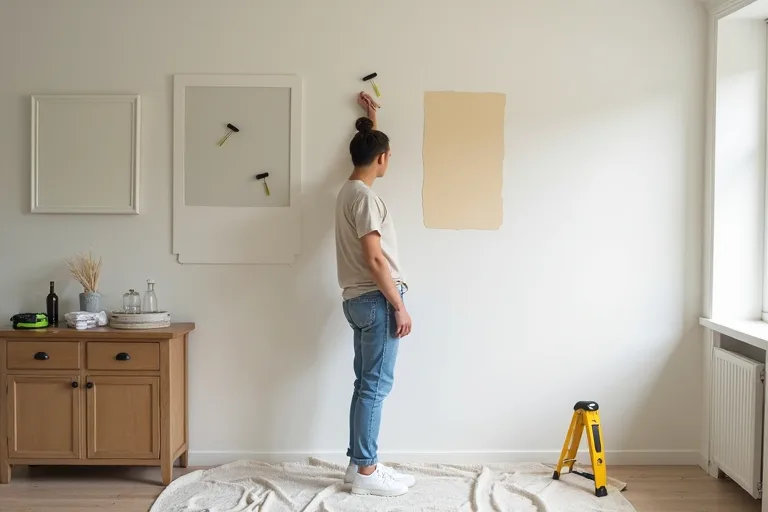
The easiest way to avoid overspending is to get a rough sense of scope before you choose the project. Measure the area, estimate the material needs, and compare that number with the cost of replacing the item instead. Even a basic check can show whether a paint refresh is the sensible first move.
This is especially useful when the decision is close. A wall, cabinet, or piece of trim may be acceptable either way, but one option will protect your budget much better. Measuring keeps the choice practical instead of emotional.
That is why a paint calculator is useful early in the process. It gives you a clearer starting point before you commit to supplies, labor, or a full replacement path. If the numbers stay manageable, you can move forward with confidence. If they do not, you will know sooner that a bigger update deserves attention.
For broader remodel decisions, a simple budget planner can also help you compare the project you want with the project that makes the most sense right now. That is often where the real savings appear: not in choosing the cheapest option, but in choosing the right one first.
Best next step
Measure the space, estimate your paint needs, and check the numbers before you decide on replacement. If the surface is sound, a low-cost update may solve more than you expect.
- Choosing paint because it feels cheaper, even when the item is damaged or poorly fitted.
- Replacing a surface before checking whether a simpler finish update would solve the problem.
- Ignoring layout or function issues and focusing only on appearance.
- Measuring by guesswork instead of confirming the space and material needs first.
- Spending on new materials before deciding what the highest-impact low-cost update actually is.
Paint is the smarter choice when the structure is solid and the problem is mostly visual. Replace when damage, poor function, or a weak layout is the real issue. The calmest way to decide is to measure first, estimate the paint scope, and only then compare that number with the cost of replacement.
Helpful next tools and planners
If you want to make the decision easier before you buy
A small set of planning tools can help you avoid overbuying and keep the update focused on the highest-impact low-cost option.
FAQ
How do I know whether paint is enough?
If the surface is sound and the issue is mostly color, wear, or visual clutter, paint is often enough. If the item is broken, warped, or badly fitted, replacement is more likely to be the right call.
Should I paint cabinets or replace them?
Paint cabinets when the boxes are solid, the doors are in good shape, and the layout works. Replace them when the structure is failing, storage is not working, or the room needs a different configuration.
What should I measure before deciding?
Measure the surface area you want to paint and the main pieces you are comparing against replacement. A laser measure can make that faster and more reliable.
Is a budget planner actually useful for small updates?
Yes. Even small projects can drift once you start adding tools, prep items, and unexpected fixes. A planner helps you see whether the update still fits the plan.
Three sensible next steps
Some links in this article may be affiliate links. Read more in the Affiliate Disclosure.