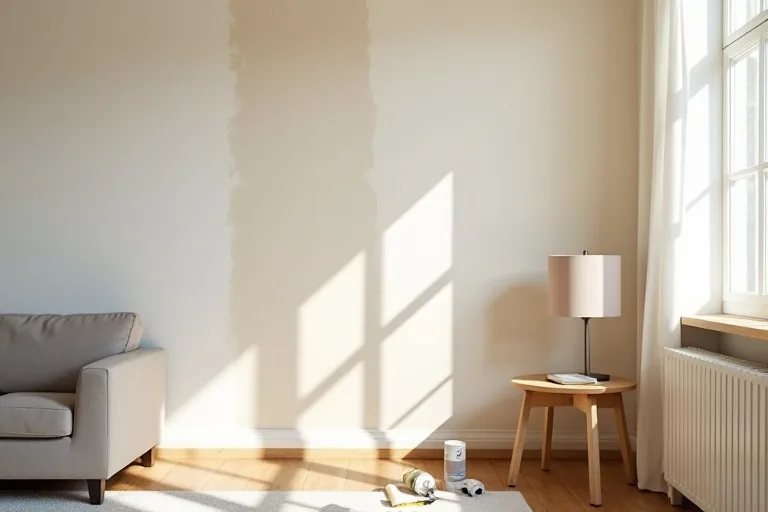
Choosing between paint and replacement sounds simple until the room starts feeling off. A color that looked calm in the store can flatten the light at home. A new cabinet, sofa, or trim color may fix the mood, or it may only add more cost without solving the real problem.
The easiest way to avoid that trap is to look at function first, then light, then budget. In many rooms, paint is the fastest and lowest-cost way to improve how a space feels. In others, replacement is the better move because the item is too bulky, damaged, or awkward to keep working around.
If the room already works, paint first; replace only when the item blocks light, flow, or function.
Why paint changes light so quickly
Paint affects more than color. It changes how a room reflects daylight, how strong shadows feel, and whether surfaces seem open or heavy. A matte finish can soften a space, while a glossier finish may bounce more light around. A warm neutral can make a room feel calmer, but if it is too deep or too yellow, it can also make the room feel smaller than it is.
The most common mistake is deciding from a swatch alone. A color that looks fresh on a card may feel dim on a north-facing wall or too stark in a room with already cool light. That is why it helps to test paint in the actual room and judge it at different times of day before buying more materials.
When the goal is a low-cost update, start with the surface that covers the most visual area: walls, then large trim runs, then cabinets or furniture only if they are truly the source of the problem. If you are estimating what the change will take, the paint calculator is a useful first step, and a paint calculator guide can help you think through the quantities before you commit.
Before you replace anything, ask whether the item is actually making the room darker, tighter, or harder to use. If the answer is no, paint is usually the better first move. If the answer is yes, measure carefully and compare the cost of repainting with the cost of a true replacement.

The sizing and function check before you decide
Many paint-vs-replace mistakes happen before anyone measures the space. A piece that feels too big, too dark, or too dated can still be worth keeping if it fits the room well and does its job. A replacement looks appealing at first, but if it narrows the walkway or crowds the light, the room may feel worse after the purchase.
Use a simple check to keep the decision grounded:
- Function: Does the item still work the way the room needs it to?
- Size: Does it fit the scale of the wall, opening, or furniture arrangement?
- Condition: Is the surface problem cosmetic, or is the item structurally past its best use?
- Budget: Would paint solve the visible issue for far less money?
If you are unsure on size, measure first. A laser measure tool can save time and reduce guesswork when you are comparing existing pieces with possible replacements. For broader planning, the Remodel & Budget hub is the right place to keep the decision tied to the bigger project instead of one impulse purchase.
Room-by-room examples: when paint is enough
Different surfaces create different problems, so the right choice is not always the same from room to room. The goal is not to repaint everything. It is to update the surface that changes the room most efficiently.
Walls: If the room feels tired but the layout works, walls are usually the best place to start. A better tone can make light feel softer, cleaner, or more balanced without changing the room’s function.
Trim: When trim is yellowed, chipped, or visually noisy, fresh paint can sharpen the room quickly. This is especially useful where the room has good bones but looks dull at the edges.
Cabinets: Cabinet paint can be a strong low-cost update if the boxes, doors, and layout still work. If the doors are warped, the storage is inefficient, or the kitchen needs a different layout, replacement may be the better long-term choice.
Furniture: Replacing a sofa or table makes sense only when size or function is wrong. If the piece fits well, a new finish or paint is rarely a substitute for a real room mismatch.
When replacement is the smarter choice
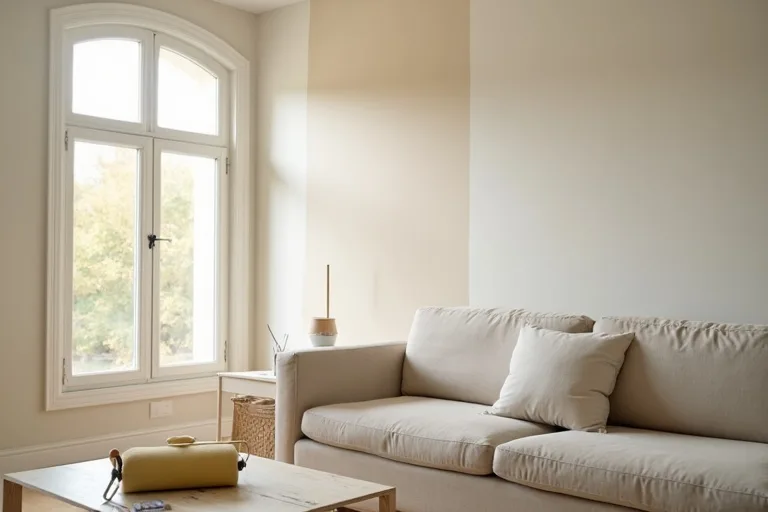
Paint cannot fix every problem. If an item blocks daylight, interrupts flow, or no longer serves the room, replacement may be the calmest and most economical decision over time. That is especially true for bulky furniture, outdated storage that wastes space, and damaged surfaces that need more than cosmetic cover.
Replacement also makes sense when the room’s proportions are off. A large, dark piece can absorb light even if it is freshly painted. A smaller, better-scaled piece may solve the mood problem without much styling at all. In those cases, trying to paint around the issue can delay the real fix and lead to more spending later.
For budget clarity, compare the lowest-cost paint option with the total cost of replacement before you buy anything. That means materials, tools, disposal, delivery, and the time required to do the work. If you want to map that out in a simple way, the Home Renovation Budget Planner Spreadsheet can help organize the numbers while you decide what stays and what goes.

Best next step
Use the paint calculator to estimate the lowest-cost update first, then compare it with replacement costs before buying anything. If the room still needs a bigger plan, move back to the Remodel & Budget hub for planning tools and budget guidance.
- Choosing a color before checking how the room actually gets daylight.
- Replacing a surface or piece that only needs a cleaner, lighter finish.
- Skipping measurements and discovering the new item still crowds the room.
- Painting over a function problem that should really be solved with replacement.
- Buying materials before comparing the cost of paint, tools, and labor with the cost of a better-fit option.
Paint is the right first move when the room already works and the main issue is color, dullness, or a heavy finish. Replace when the problem is scale, flow, condition, or function. The calmest decision is usually the one that improves light and mood at the lowest real cost.
Helpful next tools and planners
If you want to make the decision easier before you buy
These tools and planners support the same low-pressure approach: measure first, estimate costs second, and keep the highest-impact update in view.
FAQ
How do I know whether paint is enough?
If the room functions well and the problem is mostly visual, paint is usually enough. If the room feels cramped, awkward, or poorly scaled, replacement may solve more than color alone.
Should I paint furniture before replacing it?
Only if the furniture still fits the room and works for the way you live. If it is the wrong size or shape, repainting can be a short-term fix that does not solve the real issue.
What is the biggest mistake people make with light?
They choose color without testing it in the room. Natural light, finish, and surrounding surfaces can change how a paint color feels much more than the sample card suggests.
What should I do before spending money?
Measure the space, compare the cost of painting with the cost of replacement, and decide which option solves the real problem with the least waste.
Three sensible next steps
Some links in this article may be affiliate links. Read more in the Affiliate Disclosure.