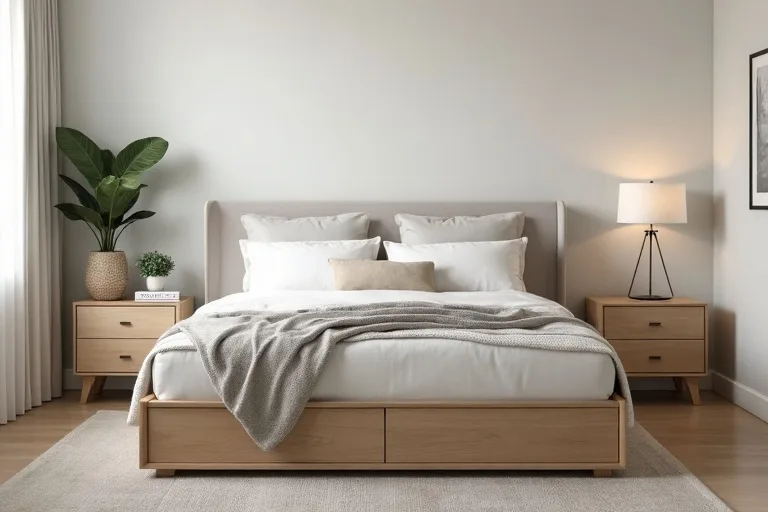
When a master bedroom starts feeling cluttered, tired, or hard to use, the first decision is not about style. It is about scale: do you need a few careful updates, or is the room asking for a bigger refresh?
The right answer usually depends on layout, storage, and how much friction you feel every day. If the room works but looks a little worn, a budget plan can go a long way. If the furniture, flow, or storage are holding the room back, a fuller reset may save you from making small purchases that never quite fix the problem.
Start with layout, storage, and the few changes that remove clutter first. If the room still feels awkward after that, a bigger refresh is worth considering because it lets you fix the underlying setup instead of layering more things on top.
What a budget update can actually do
A budget master bedroom update works best when the room already has a usable layout and you mainly want it to feel cleaner, calmer, and more finished. In that case, the smartest money usually goes to the parts you interact with every day: bedside storage, hidden storage, lighting, bedding, and a better arrangement of what you already own.
Small changes can have an outsized effect when clutter is the main issue. Under-bed storage, for example, can free up floor space without adding visual noise, especially in a room where dressers or wardrobes already feel tight. Simple nightstands can also steady the room visually without forcing a full furniture reset.

If you are keeping the budget modest, focus on changes that make the room easier to live in before you spend on anything decorative. That means checking whether your current bed placement works, whether the bedside areas are doing enough storage work, and whether you have hidden clutter that could move out of sight.
If one small upgrade will make the room feel better for six months, buy that. If three small upgrades still leave the room awkward, pause and consider whether the layout itself needs a fuller rethink. The real decision is not budget versus premium decor. It is whether the room needs a better system.
When a bigger refresh makes sense
A bigger refresh is worth it when the bedroom has more than surface-level problems. Maybe the bed is in the wrong place, one side of the room feels cramped, storage is mismatched, or the furniture is no longer sized well for the space. In that case, a more complete update can be the calmer choice because it allows you to solve the room in one pass.
This does not have to mean a full renovation. A bigger refresh might simply mean replacing the most awkward furniture, rethinking the layout, and choosing a more consistent storage plan. The point is to stop working around the room and start making the room work better.
- The layout needs to change, not just the accessories.
- Current furniture is too bulky, too small, or poorly placed.
- Storage is visible and messy no matter how often you tidy.
- You keep buying single items, but the room still feels unfinished.
- You want a cleaner result that will last longer than a quick styling fix.
When several of those are true, a bigger refresh can actually be more budget-aware than a long series of piecemeal purchases.

Storage and layout choices that calm the room
Hidden storage does more than hide stuff. It reduces the number of decisions your eyes have to process every time you walk into the room. That is why storage planning is often the difference between a bedroom that feels restful and one that feels constantly unfinished.
Start with what can disappear from sight. Seasonal items, spare linens, chargers, books, and occasional-use objects are all better candidates for concealed storage than for open surfaces. If the room is small, under-bed storage containers with wheels can be especially useful because they use space that is already there without adding another visible piece of furniture.
Then look at the bedside zones. Matching or coordinated nightstands set the tone quickly, but the real value is function: do they hold the things you need without overcrowding the room? A set of two can help when the room needs balance, but only if the scale suits the bed and the walkway stays comfortable.
Before buying anything, make a simple plan for where the bed, storage, and bedside pieces should go. If you want a faster way to test the room, the Room Layout Planner can help you check placement before you commit to furniture. For a more structured money view, a budget spreadsheet or digital planner can keep the room changes tied to actual priorities instead of impulse purchases.
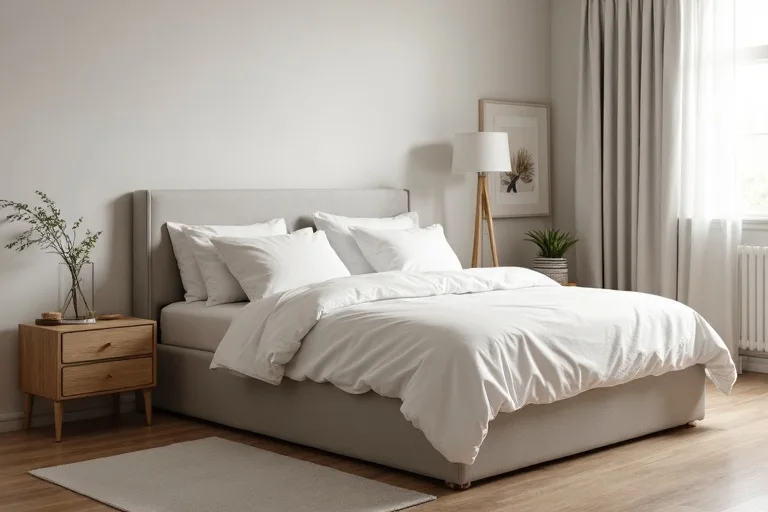
How to spend in the right order
The easiest way to avoid waste is to spend in the order of need, not the order of inspiration. A master bedroom usually improves fastest when you solve layout first, then storage, then the most visible furniture, and only after that the styling details.
That sequence keeps you from buying objects that look good in isolation but do not solve the actual room problem. It also helps you separate the items you need from the ones you only want because the room already feels unfinished.
Use this order as a simple guide:
- Fix the layout so the room flows better.
- Add hidden storage where clutter is showing.
- Replace or update the most awkward furniture pieces.
- Finish with bedding, lighting, and smaller styling layers.
If you are planning a bigger refresh, that order helps you decide what should stay and what should go. If you are staying on a budget, it helps you stop after the highest-impact changes and avoid spending more than the room needs.
For readers who want help mapping the whole room before shopping, the room layout planner is the most useful next step. If you are still gathering ideas, the Bedroom Ideas hub is a good place to compare practical layouts and calmer styling approaches.
Best next step
Before buying new bedroom pieces, test the room on paper first. A layout check and a simple budget plan will tell you whether you need a few targeted updates or a more complete refresh.
- Buying decor before checking the layout.
- Adding visible storage when the goal is a calmer room.
- Replacing one piece of furniture without considering the rest of the room.
- Choosing bedside pieces that look nice but do not solve clutter.
- Starting a budget refresh without a clear spending order.
If the room mostly needs tidying, hidden storage, and a few better-fitting pieces, a budget update is enough. If the room feels awkward to use, a bigger refresh is usually the smarter choice because it fixes the layout and storage pattern behind the clutter. Either way, start with the plan, not the purchase.
Helpful next tools and planners
If you want to make the decision easier before you buy
These options fit the planning-first approach: test the room, review your spending, and keep clutter out of sight before you commit to new bedroom pieces.
FAQ
How do I know if my bedroom only needs a budget update?
If the room layout already works and the main issues are clutter, dull styling, or a few worn pieces, a budget update is usually enough.
What should I buy first in a master bedroom refresh?
Start with layout and storage. Bedside furniture, hidden storage, and any awkward pieces should come before decorative purchases.
Is under-bed storage a good idea in a master bedroom?
Yes, especially when you want to keep visual clutter down. It is one of the simplest ways to add storage without adding more furniture.
When does a bigger refresh become the better value?
When the room still feels wrong after small fixes, or when the layout and furniture sizes are the real problem, a bigger refresh is usually the better long-term choice.
Three sensible next steps
Some links in this article may be affiliate links. Read more in the Affiliate Disclosure.