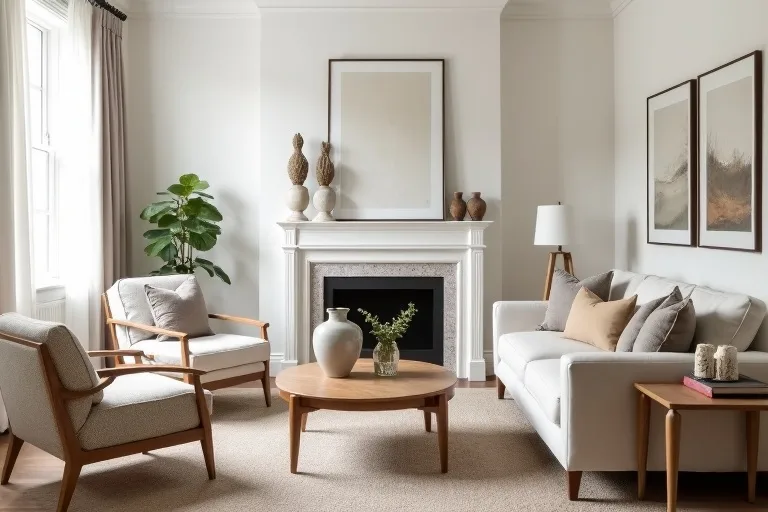
Transitional interiors work best when the room feels settled, not calculated. The style sits between classic and modern, but that balance only works when the pieces look like they belong in the same plan.
When a transitional room feels forced, the issue is usually not the style itself. It is the mix of furniture, finishes, and accessories fighting for attention instead of supporting one clear direction.
Transitional style feels forced when the room is overmixed, overdecorated, or lacks a clear balance between classic and modern elements. The easiest fix is to simplify the mix, check scale and layout, and choose finishes that feel related rather than competing.
What transitional style should feel like
Good transitional design is calm, edited, and easy to live with. It usually combines familiar shapes, soft neutral colors, and a mix of old and new that feels intentional rather than themed.
The best rooms do not try to prove the style at every corner. A sofa may feel clean-lined, while a chair or side table brings a softer classic note. The result is relaxed because the room has one clear point of view.
That balance matters more than having the “right” pieces. A room can include a boucle accent chair for living room or bedroom use, a simple wood coffee table, and a ceramic vase set neutral home decor without feeling busy, as long as each item supports the same quiet palette and proportion.
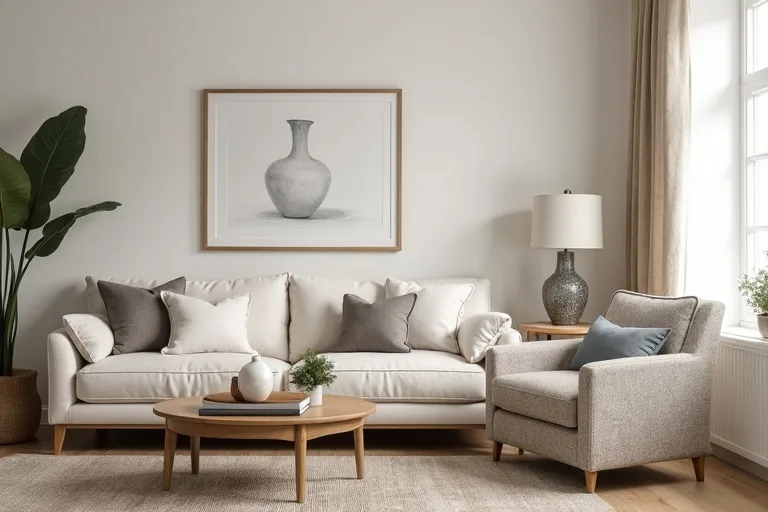
If your room looks crowded, overmatched, or oddly formal, the real question is not whether you picked the right style. It is whether the layout, scale, and finish choices are working toward one calm plan. Start there before you buy anything else.
Why transitional rooms start to feel forced
Most forced-looking rooms are trying to do too much at once. Transitional style depends on restraint, so the moment the room includes too many competing shapes, colors, or statement finishes, the design starts to lose its ease.
One common problem is that people mix “safe” neutral pieces without checking whether they actually belong together. Another is borrowing too many ideas from different styles, then hoping the room will naturally settle into one look. It usually does not.
A useful way to think about it is this: transitional style should feel quietly edited. If every surface needs a decorative object, every chair needs a contrast, and every finish needs to stand out, the room is doing too much work.
The mistakes that usually create the problem
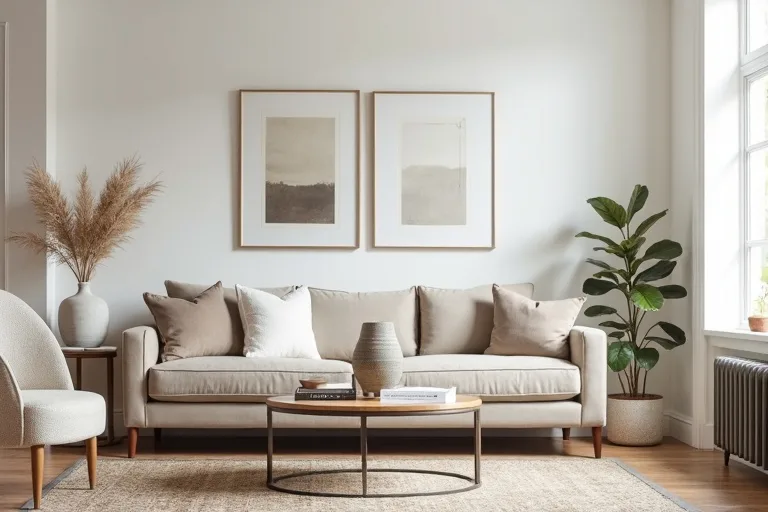
These are the mistakes that most often make transitional interiors feel awkward instead of calm.
- Mixing too many styles at once. Transitional works best when classic and modern are both present, but not fighting for attention. Too many decorative languages make the room feel uncertain.
- Using furniture that looks overly matched. Buying a full set can make a room feel flat and generic. Transitional rooms usually work better when pieces coordinate quietly rather than repeat each other exactly.
- Ignoring scale and flow. A room can have the right style and still feel wrong if the seating is too large, the coffee table is too small, or traffic paths are blocked.
- Choosing finishes that compete. If wood tones, metals, and fabric colors all pull in different directions, the room loses its sense of calm.
- Overdecorating the shelves and surfaces. Transitional style is not about filling every surface. A few well-placed pieces usually feel stronger than many small accents.
One of the easiest places to see this is on a side table or console. A single ceramic vase set neutral home decor can look finished. Three different decorative groups on the same surface often make the room feel busier than it needs to be.
How to simplify the room back to balance
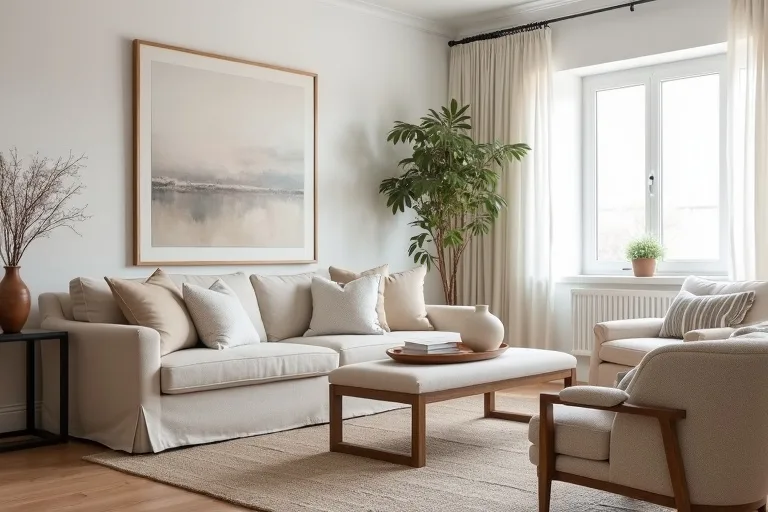
If a transitional room feels forced, the fix is usually subtraction before replacement. Remove the pieces that create visual noise, then check whether the room still has enough structure to feel complete.
Start with the biggest decisions first. Confirm the sofa size, chair placement, and walking paths before judging the decorative layer. Then look at finishes together and ask whether they share a similar warmth or contrast in a controlled way.
A calm transitional room often improves when you do three simple things: keep the palette limited, repeat materials with care, and let negative space do some of the work. That does not make the room plain. It makes the room easier to read.
If you want one flexible styling move, a boucle accent chair for living room or bedroom use can help soften harder edges, especially when the rest of the room is more structured. Pair it with a small, neutral accessory group rather than adding several competing accents.
Best next step
Before you buy more furniture or decor, check whether your plan is actually balanced. A layout that works on paper is much easier to style, and a clear style direction will save you from overmixing.
- Mixing classic and modern pieces without one clear visual direction
- Buying furniture that matches too neatly and makes the room feel generic
- Choosing a sofa, chair, or table without checking scale in the room
- Letting finishes compete instead of supporting each other
- Adding too many decorative objects to shelves, tables, and mantels
Transitional style only feels effortless when the room has balance, not just neutral colors and mixed pieces. If the space feels forced, reduce the number of competing choices, check layout and scale, and keep the finishes and accessories calm enough to support the room instead of dominating it.
Helpful next tools and planners
If you want to make the decision easier before you buy
These options are most useful after you have clarified the room plan. They can help you avoid buying pieces that look good separately but do not work together in the actual space.
FAQ
What makes transitional design look forced?
It usually happens when the room has too many styles, too many decorative items, or furniture and finishes that do not share the same visual language.
Should transitional rooms always be neutral?
No. They are often neutral because that makes balance easier, but the room still needs contrast, texture, and some variation in shape to feel complete.
Can I mix old and new furniture in transitional style?
Yes, and that is part of the appeal. The key is to keep the mix calm, proportionate, and edited so the room does not feel split into separate styles.
What should I check first if my room feels off?
Start with layout, furniture scale, and finish compatibility. Those three areas usually explain why a room feels awkward before decor is added.
Three sensible next steps
Some links in this article may be affiliate links. Read more in the Affiliate Disclosure.