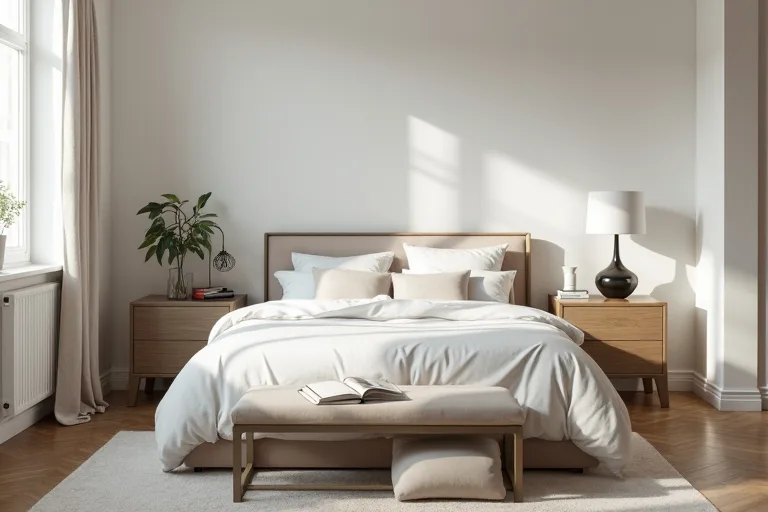
A master bedroom feels easier to buy for when the decisions happen in the right order. Layout comes first, then storage, then furniture size, and only after that do finishes and decor start to make sense.
This checklist is meant to slow the process down just enough to prevent the usual mistakes: furniture that blocks movement, storage that still looks cluttered, and decor choices that do not fit the space you actually have.
Check layout, measurements, storage, and traffic flow first, then buy furniture and decor.
Start with the room’s real job
Before you compare bedside tables or bedding, decide what this room needs to do every day. A master bedroom can be a simple sleeping room, but it may also need hidden storage, a small reading corner, better lighting, or a clearer path through the room. When you know the main job, the shopping list becomes much shorter.
It helps to name the pressure points before anything else. Common ones are not enough drawer space, too much visual clutter, awkward windows, or a bed wall that leaves no room for proper nightstands. If the room already feels crowded, the goal is not to add more items. The goal is to remove friction.

For a broader starting point, browse the Bedroom Ideas hub to compare different room directions before you settle on a style. If you are still working out how the bed, storage, and walking space should fit together, the Room Layout Planner is the better first stop.
The real decision is not whether a piece looks good online. It is whether the room still feels easy to use after the bed, nightstands, and storage are placed in it. If the answer is no, the room needs a different layout, not more decor.
Measure before you shop
Most bedroom buying mistakes start with guessing. A piece can be the right style and still be wrong for the room if the clearances are too tight. Measure the room, then measure the bed wall, window placements, door swings, and any built-in features that affect furniture placement.
Use those measurements to check the basics in this order:
- Room length and width
- Bed wall options
- Door opening paths
- Window height and width
- Space beside the bed
- Space at the foot of the bed
That simple sequence keeps you from buying furniture that looks reasonable in isolation but fails once it is placed in the room. It also makes it easier to compare options without getting distracted by style details too early.

If you want a structured way to think through the layout before spending money, the Room Layout Planner is a practical next step. It is especially useful when you are deciding whether the room can handle a larger bed, a dresser, or a second nightstand without feeling cramped.
Plan storage, furniture, and circulation together
Storage is where many master bedroom plans either become calm or turn into visual clutter. A room can look finished but still feel busy if everyday items have nowhere to go. That is why hidden storage matters so much in a bedroom: it reduces the number of things you have to see all the time.
Start with the pieces that do the most work. In many rooms, that means the bed, a matching set of nightstands, and a dresser or chest with enough closed storage to keep surfaces clear. If the room is small, storage under the bed can do more for the overall feel than a decorative extra piece ever will.
Use this order when planning the room:
- Place the bed first.
- Check whether you have space for two nightstands.
- Decide where closed storage will live.
- Reserve clear walking paths.
- Only then add decorative pieces.
If you are looking for a straightforward storage solution, under bed storage containers with wheels can help keep seasonal items or extra bedding out of sight while staying easy to access. For bedside balance, a simple nightstands set of 2 bedroom can make the room feel more orderly than mismatched pieces.
If you need a fuller planning tool for size, layout, and budget, the Room Makeover Planner, Home Layout Budget Spreadsheet (Digital Download) is a useful companion when you are comparing options and trying not to overspend.
Choose decor in the order that keeps the room calm
Decor should support the room plan, not compete with it. Once the furniture sizes and storage choices make sense, then choose the parts that soften the room: bedding, lighting, rug size, curtains, and a restrained color palette. Keeping that sequence helps the room feel finished without becoming busy.
A calm master bedroom usually works best with a limited mix of materials and a few clear surfaces. That does not mean the room has to feel plain. It means every item has a reason to be there, and nothing is fighting for attention.
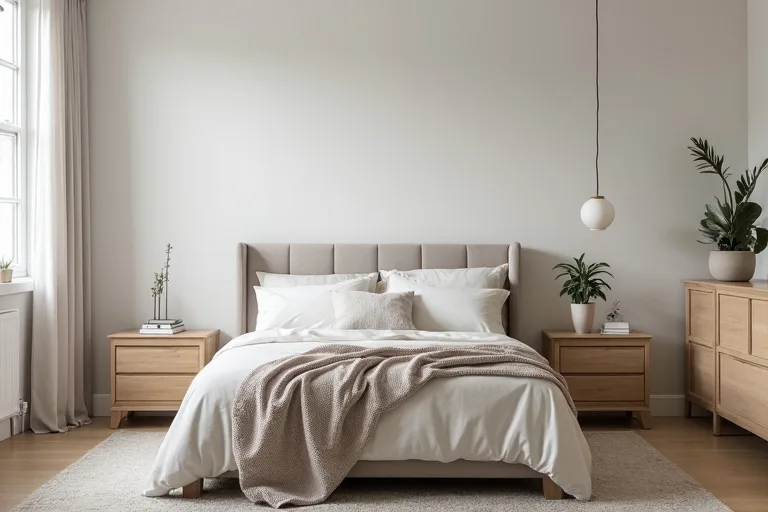
Before you buy, ask whether each choice helps the room feel quieter. If the answer is unclear, wait. The best bedroom updates often come from removing one unnecessary item rather than adding another decorative layer.
Best next step
If you are still deciding what will actually fit, use the Room Layout Planner to map furniture sizes, clearances, and storage needs before you buy anything. It is the easiest way to avoid a bedroom that feels crowded after delivery day.
- Buying furniture before measuring door swings and walking space.
- Choosing storage that hides clutter only temporarily.
- Mixing too many styles before the room plan is settled.
- Skipping bedside clearances and then living with awkward access.
- Adding decor to fix a layout problem that needs a furniture change.
A master bedroom feels calmer when the decisions follow a clear order: define the room’s job, measure carefully, plan hidden storage, and only then choose decor. If you keep the layout simple and the storage intentional, the room will do more with less.
Helpful next tools and planners
If you want to make the decision easier before you buy
A few practical tools can help you avoid clutter, compare sizes, and keep the bedroom plan realistic before any shopping starts.
FAQ
What should I decide first in a master bedroom makeover?
Start with the room layout and storage needs. Once you know where the bed, nightstands, and dresser can fit, the rest becomes much easier to choose.
How do I avoid buying furniture that makes the room feel cramped?
Measure clearances around the bed, doors, and windows before shopping. If traffic flow is tight on paper, the room will usually feel tight in real life too.
Is hidden storage worth planning for in a master bedroom?
Yes, especially if you want a calmer room with fewer visible items. Closed storage and under-bed storage can make a big difference without adding visual clutter.
What is the best next step if I am unsure about sizing?
Use a room planning tool before you buy. Mapping the room first is usually faster and cheaper than correcting the wrong furniture later.
Three sensible next steps
Some links in this article may be affiliate links. Read more in the Affiliate Disclosure.