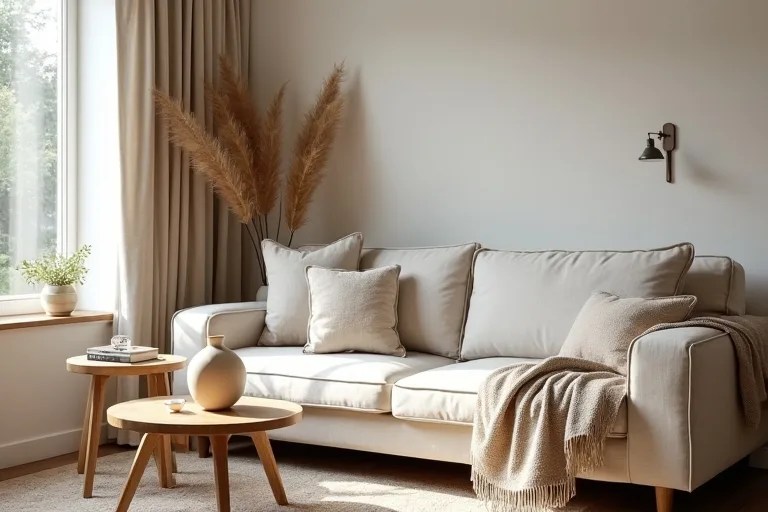
Boho rooms work best when the plan is clear before the shopping starts. If the layout is awkward or the scale is off, even good pieces can make the room feel busy instead of relaxed.
This checklist keeps the decision simple. Start with flow, then confirm palette, size, texture, and budget so the pieces you buy actually support the room you want to live in.
Check layout, scale, texture, and color balance before buying boho signature pieces.
Start with layout and circulation
Boho style can handle layered furniture and mixed textures, but only if the room has enough breathing room. Before you choose a rug, chair, or accent table, look at how people will move through the space. A boho room should feel relaxed, not crowded at the edges.
Begin with the main seating or sleeping position and work outward. Ask whether the largest pieces sit in sensible places, whether there is a clear path to windows, doors, and storage, and whether anything blocks the natural focal point of the room. If the answer is no, fix the layout first.
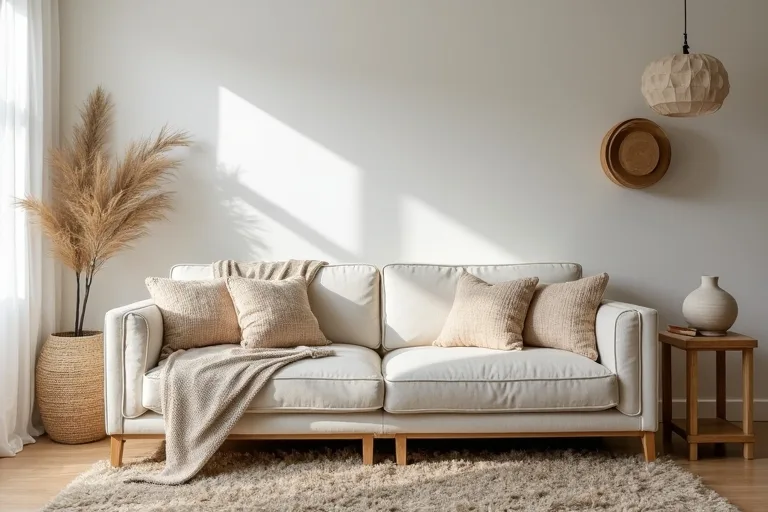
If one signature piece would make the room harder to move through, it is not the right buy yet. Use the room plan to decide where the style can add warmth without interrupting flow. For a cleaner starting point, the Room Layout Planner can help you confirm the arrangement before you shop.
Set a base palette before patterns
Boho interiors often look easy because the underlying palette is doing a lot of quiet work. A simple base of warm neutrals, earth tones, and a few grounded accents makes it easier to add pattern without the room becoming restless. If you skip this step, the room can start to feel like a collection of separate ideas.
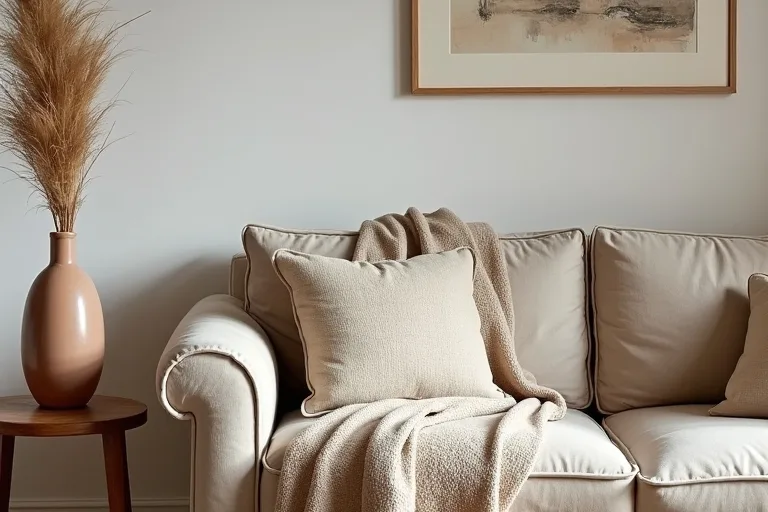
Choose your base first, then decide where richer color or stronger pattern belongs. In most rooms, that means a calm wall color, a rug that supports the palette, and textiles that repeat a few tones rather than introducing too many new ones. One or two patterned items can carry the style if everything else stays steady.
- Pick the quietest color in the room and use it as the anchor.
- Add one warm neutral that appears in more than one place.
- Choose a single accent family, such as clay, olive, rust, or muted blue.
- Limit stronger pattern to one or two visible surfaces.
That approach keeps boho style from turning into visual noise. It also makes later purchases easier because every new piece has to fit the palette you already set.
Check scale, texture, and the budget split
Boho pieces are often appealing because they look relaxed and handmade, but scale still matters. A low table that is too small, a rug that disappears under furniture, or a chair that visually dominates the room will undo the balance you are trying to create.
Before you buy, compare the size of each piece with the furniture already in the room. Think about height as well as width. A boho room usually feels best when pieces vary in shape and texture, but still relate to one another in a calm way.
Texture should add warmth, not clutter. Woven materials, wood, ceramic, linen, and layered textiles work well together when they are repeated with intention. The goal is to create depth without filling every surface.
Budget also matters here. Decide which items need to do the most visual work and which can stay simple. A well-scaled rug or a useful chair is often a better investment than several small decorative items that do not change the room’s structure.
If you are choosing between a large anchor piece and several small accents, start with the item that affects scale, comfort, or layout first. Decorative layers can wait. For size decisions, a tool such as the Rug Size Calculator can help you avoid buying a piece that is too small for the room.
Choose finishing pieces with restraint
Once the room plan, palette, and scale are in place, the final layers should feel easy. This is where boho style becomes calmer and more personal. Instead of filling every corner, choose a few finishing pieces that make the room feel finished without overpowering it.
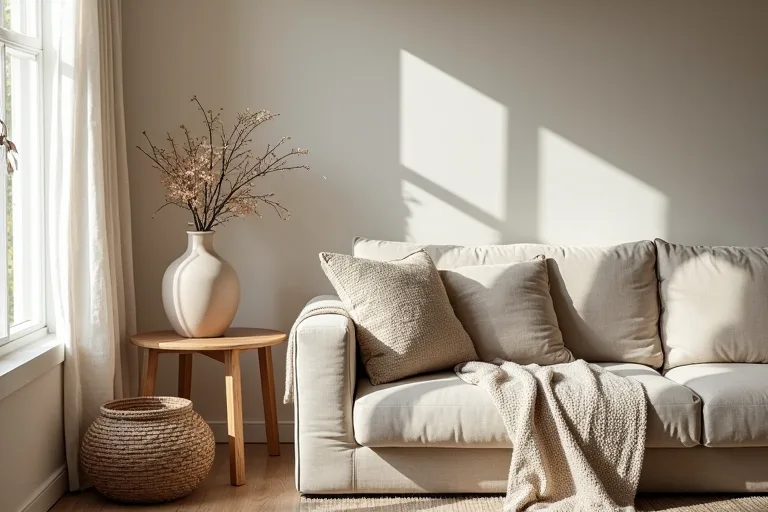
A neutral throw blanket for sofa or bed is useful because it softens the room and adds texture without changing the whole scheme. A ceramic vase set neutral home decor works in the same way: it brings shape and material contrast, but still stays quiet enough to support the larger plan. These kinds of pieces are helpful when the room already has enough structure and only needs a gentle finish.
If you want a practical buying path, keep the decorative add-ons restrained and repeat materials that are already present in the room. That makes the styling feel intentional, not random.
You can also use a simple planning bundle when you are updating more than one corner at once. A digital tool such as the Home Planning System Bundle, Room Makeover, Small Space, Budget Tool (Digital Download) can help you organize ideas before you commit to purchases.
Best next step
If you are still deciding which boho pieces belong in the room, confirm the layout and style direction first. That will make the shopping list smaller and the choices easier to trust.
- Buying signature pieces before checking whether the room layout already works.
- Mixing too many colors or patterns without a calm base palette.
- Choosing decor that is smaller than the space needs.
- Adding texture in every direction until the room feels cluttered.
- Spending on accessories before you have anchored the room with the right main pieces.
Boho style looks best when the room plan is clear before the shopping starts. Check layout, scale, palette, and texture first, then choose only the finishing pieces that support the room. A calm throw, a simple ceramic vase set, and a good sizing decision will do more than a cart full of decor.
Helpful next tools and planners
If you want to make the decision easier before you buy
These options work best after you have checked the room plan. They can help you stay organized, choose better proportions, and keep the style calm.
FAQ
What should I check first before buying boho decor?
Start with layout and circulation. If the room does not move well, decor will not fix it.
How many colors should a boho room use?
Usually a calm base palette plus one or two accent tones is enough to keep the room grounded.
What makes boho style feel cluttered instead of relaxed?
Too many small purchases, too much pattern, and weak scale decisions are the most common reasons.
Which pieces are best to buy last?
Small decorative accessories are usually last. They should finish the room after the main layout and larger pieces are settled.
Three sensible next steps
Some links in this article may be affiliate links. Read more in the Affiliate Disclosure.