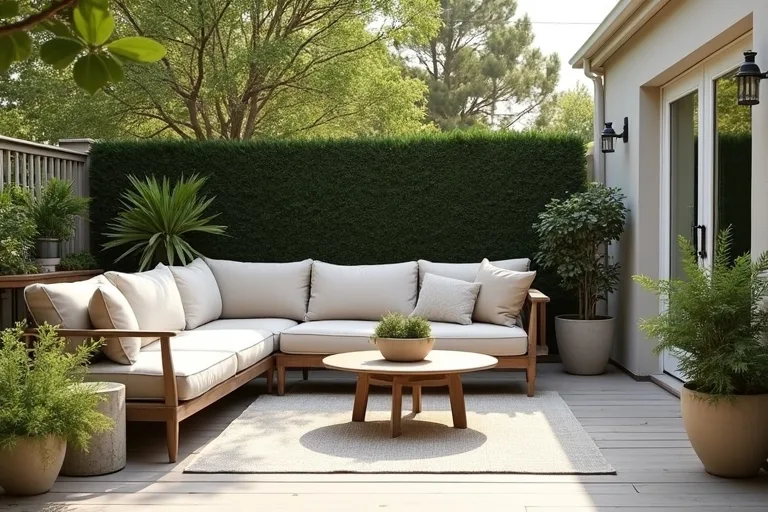
A good backyard seating area is usually not the one with the most furniture. It is the one that feels easy to use, easy to keep tidy, and sized to the space you actually have.
Before buying anything, it helps to decide what the area needs to do, how people will move through it, and where cushions, toys, or outdoor clutter will live when the seating is not in use. That planning step saves money and makes the space calmer from the start.
Start with layout, seating size, and storage before buying furniture. Once those three decisions are clear, it becomes much easier to choose pieces that fit the backyard without blocking movement or creating clutter.
Start with the way you want to use the space
The best backyard seating area ideas begin with purpose. A seating area for morning coffee needs a different setup from one used for family meals, and both are different again from a space meant for relaxed conversation. If you plan the use first, the furniture choices become much simpler.
Think in terms of how the space will work on ordinary days. Do you want a place to sit quietly, a spot for a few guests, or a section that can do both? If the answer is mixed, choose the main use first and let the rest stay flexible. That usually leads to a cleaner layout and fewer pieces.
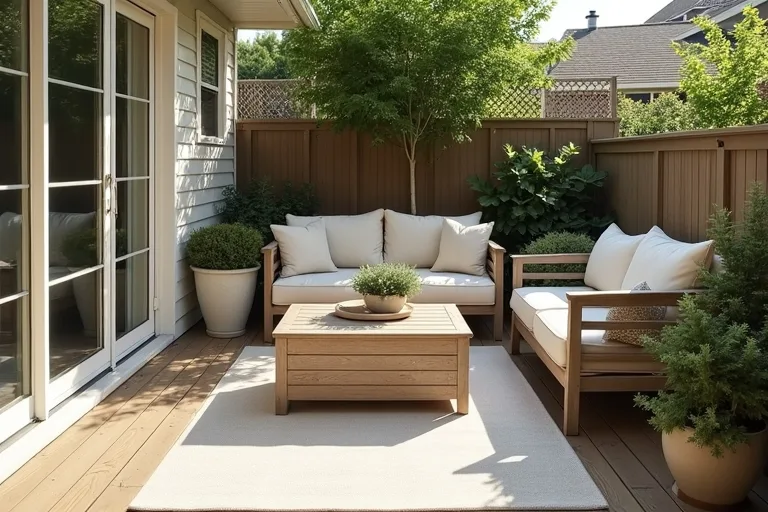
If you are unsure where to begin, the Outdoor Living hub is a useful place to step back and think through the bigger picture before focusing on product choices. It keeps the decision anchored in function rather than shopping.
The real decision is not just which chairs look best. It is whether the seating fits the way the backyard is used, leaves enough room to walk through, and gives you a place to store cushions and outdoor clutter when the area is not in use.
Measure the area and protect the walking route
Once the purpose is clear, measure the available space and map the routes people already use. This matters more than trying to fill the whole patio or lawn. A seating area should feel like part of the yard, not something that interrupts it.
It helps to sketch the space before you buy. Mark the doors, gate, grill, garden path, and any spots that need to stay open. Then decide where the seating can sit without forcing people to squeeze around table legs or angle sideways to get past.
- Measure the full seating zone.
- Mark entrances, steps, and the main walking line.
- Choose one focal point, such as a table or conversation set.
- Leave visual and physical space around the seats.
- Test the layout on paper before ordering anything.
If you like a more structured planning step, the Room Layout Planner is a sensible tool for mapping the area before you commit. It is especially helpful when the backyard is narrow, awkwardly shaped, or shared with storage and dining space.

Choose seating and storage that fit real life
For many backyards, the best option is a seating set that is comfortable but not oversized. A four-piece patio conversation set can work well when the goal is relaxed seating without making the area feel crowded. If the space is very small, a pair of chairs and a compact side table may be enough.
Storage matters just as much as seating. Cushions, throws, and outdoor accessories need a dry place to go, otherwise the area starts to feel messy very quickly. A waterproof deck storage box can make the whole setup easier to live with, especially if you want the space to stay tidy between uses.
For readers comparing setup options, these are the most practical choices to think about:
- Conversation set: good for a casual sitting area and easier social use.
- Dining table setup: better if the space needs to support meals more often.
- Lounge chairs and side table: simplest choice for a compact or quiet corner.
- Storage box: helpful when cushions or outdoor clutter need a hidden home.
The Room Layout Planner can also help if you are comparing whether a larger set will actually fit once you add storage and movement space. That check is often the difference between a comfortable layout and one that feels crowded.
For a practical buying reference, these products match the planning logic in this guide: a 4 piece outdoor patio conversation set for the seating itself, and a deck storage box waterproof for cushion storage and outdoor clutter control. If you prefer to plan the budget and layout before shopping, the Room Makeover Planner, Home Layout Budget Spreadsheet can help keep the decision more organized.
The space will usually feel better if you buy fewer pieces that work harder, instead of trying to make a large set fit a small yard.
Finish with shade, surfaces, and materials
After the layout and furniture are settled, add the parts that make the seating area easy to use day to day. Shade helps the space feel usable for longer periods, side surfaces keep drinks and books off the floor, and outdoor lighting can make evening use more comfortable.
Material choice matters too. Weather-friendly finishes are easier to live with because they do not ask for as much maintenance. If you want a space that stays calm rather than demanding, choose materials and textiles that can handle regular use and simple cleaning.

It also helps to keep the styling restrained. A few plants, one or two textiles, and a clear place for cushions usually look better than filling every corner. The goal is comfort with enough openness to move around easily.
Best next step
If you are still deciding between seating styles or trying to fit furniture into a limited area, map the space before you buy. That makes it much easier to choose the right size, leave a sensible walking route, and plan storage from the start.
- Buying furniture before checking the available footprint.
- Ignoring how people will walk through the area.
- Choosing a seating set that leaves no room for storage.
- Adding too many pieces and making the space feel tight.
- Forgetting that cushions and accessories need a dry place to go.
A comfortable backyard seating area usually comes from simple planning: decide how the space will be used, check the layout, choose seating that fits, and make room for storage. When those steps are clear, the space feels easier to furnish and easier to keep tidy.
Helpful next tools and planners
If you want to make the decision easier before you buy
These links are most useful after you have a rough layout in mind. They can help you compare seating options, keep clutter under control, or plan the budget more calmly.
FAQ
How do I choose the right size for a backyard seating area?
Start by measuring the usable space, then leave room for walking paths and any doors, gates, or garden access points. The right size is the one that fits the space without making movement awkward.
What is the best seating for a small backyard?
Usually, a compact conversation set, two chairs and a small table, or a slim bench works better than a full large set. The best choice is the one that leaves the area open enough to move comfortably.
Do I really need storage in an outdoor seating area?
Yes, if you want the space to stay tidy. A storage box gives cushions and outdoor items a defined place to go, which makes the area easier to maintain.
Should I plan shade before buying furniture?
It is better to think about shade early, because it affects where the seating can sit and how comfortable the area will be in use. Even a simple shade plan can change the layout decision.
Three sensible next steps
Some links in this article may be affiliate links. Read more in the Affiliate Disclosure.