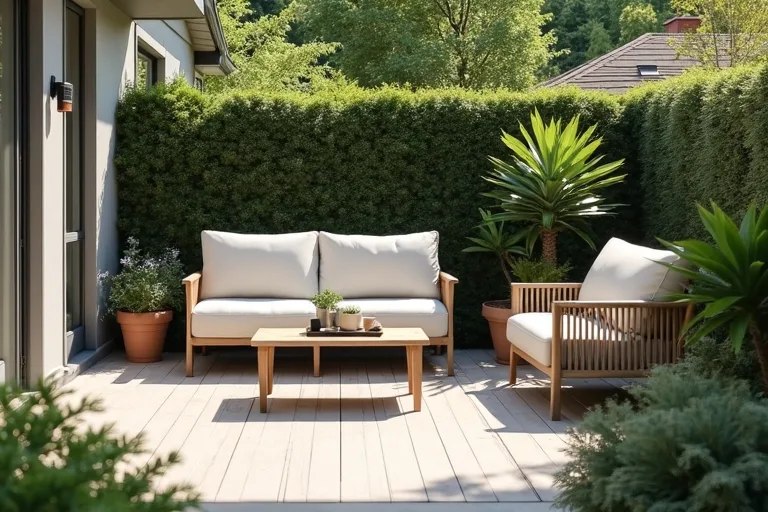
A good backyard seating area does not start with furniture. It starts with the way you want the space to work on an ordinary day.
If the area feels cluttered, awkward, or underused, the fix is usually a clearer layout, better clearance, and a place to store the things that make outdoor spaces messy.
Start with the seating layout, then add storage and shade so the space feels comfortable and uncluttered. A simple plan usually works better than buying more furniture. Decide whether the area is mainly for relaxing, dining, or gathering, then size the furniture to leave comfortable walking space around it.
Start with how you want the space to be used
Before choosing a sofa or chairs, separate the job of the space from the look of it. A seating area for quiet reading needs something different from a place for drinks, family time, or casual dinners. When those uses get mixed together, the backyard often ends up with furniture that looks fine but never feels easy to live with.
For many homes, the most useful outdoor setup is a small conversation zone that can also hold a side table and a tray, plus enough open room to move around it without feeling squeezed. If you need a bigger gathering spot, think in zones rather than one oversized cluster. That usually keeps the layout calmer and easier to maintain.
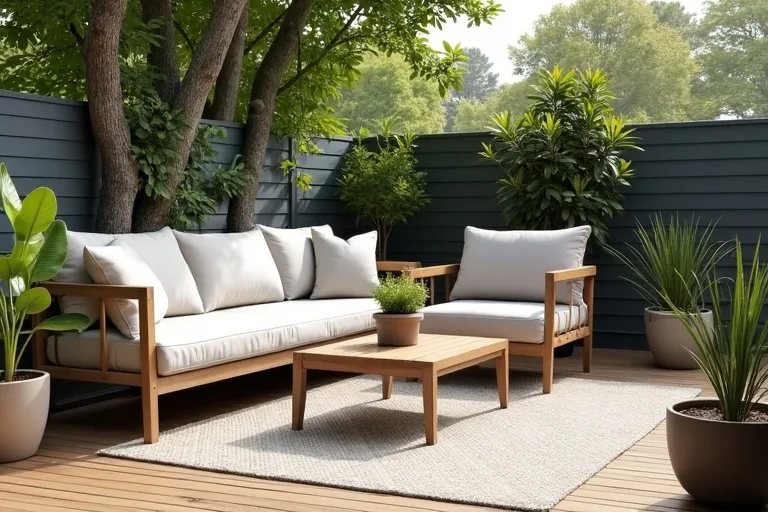
If you are unsure where to begin, the Outdoor Living hub is a sensible starting point for related planning ideas. It helps to narrow the function first, then build the layout around that choice instead of treating every possible use as equally important.
The real decision is not whether the furniture looks inviting in a photo. It is whether the seating zone leaves enough room to walk, set things down, and keep cushions, accessories, and tools from piling up around it.
Size the seating area around real clearance
One of the easiest ways to make a backyard feel more relaxed is to give the seating area enough breathing room. Even a compact layout can feel comfortable if the path into the space is clear and the furniture is not pressed against walls, fences, or planters.
Before you buy anything, sketch the area and think through how people will move through it. A small backyard may only need one compact seating cluster, while a medium space can often support a more generous setup with space for both lounging and conversation.
- Mark the seating footprint first, not the decorative pieces.
- Leave space for doors, gates, and the most common walking route.
- Make sure tables are easy to reach without twisting or dragging chairs around.
- Check that cushions, ottomans, or storage lids can open freely.
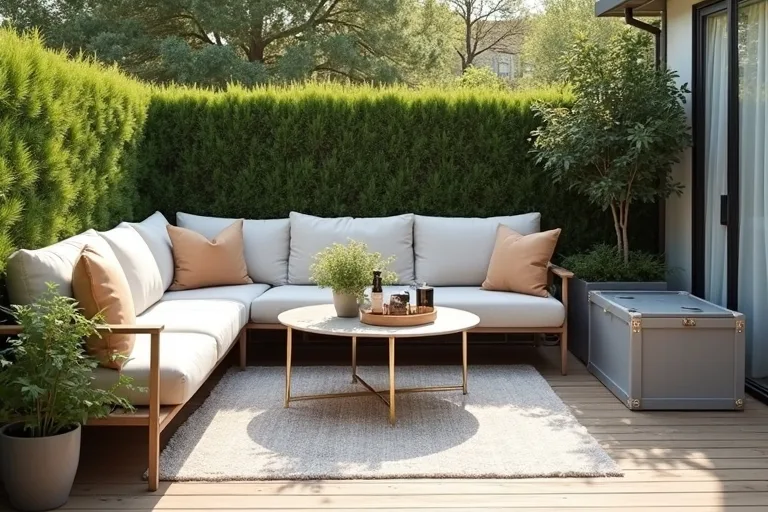
If you want help testing what fits before you spend money, the Room Layout Planner is a useful next step. It gives you a clearer view of spacing and helps prevent the common mistake of buying furniture that looks right but works badly in the actual yard.
Pick the simplest layout that fits the way you live
Backyard seating works best when the layout matches the way the space is used most often. A conversation set is usually the easiest choice for everyday use because it creates a natural gathering point without requiring a full dining setup. If you only have room for one zone, that is often the more flexible option.
For a narrow yard, place the seating along one edge so the middle stays open. For a square or deeper space, a centered arrangement can work well if the surrounding circulation still feels easy. In larger backyards, two smaller seating areas can be more useful than one oversized one because they let the space do more without feeling crowded.
Some homeowners also keep a compact deck storage box near the seating area for cushions, throws, outdoor games, or smaller items that tend to drift around the yard. That small decision often makes the whole space feel calmer because less clutter is left out in the open.
Use storage and comfort details to keep the area easy
Once the layout is set, comfort and storage become the difference between a space you visit occasionally and one you use regularly. Weather-resistant cushions, easy-clean surfaces, and a place to stash the soft items all help the backyard stay ready without a lot of effort.
If you are comparing furniture, look for pieces that are simple to move and easy to maintain. A 4 piece outdoor patio conversation set can be a practical choice if you want a clear seating zone without overfilling the patio. To keep the area tidier, a deck storage box waterproof can help hide cushions and outdoor clutter when the weather changes.
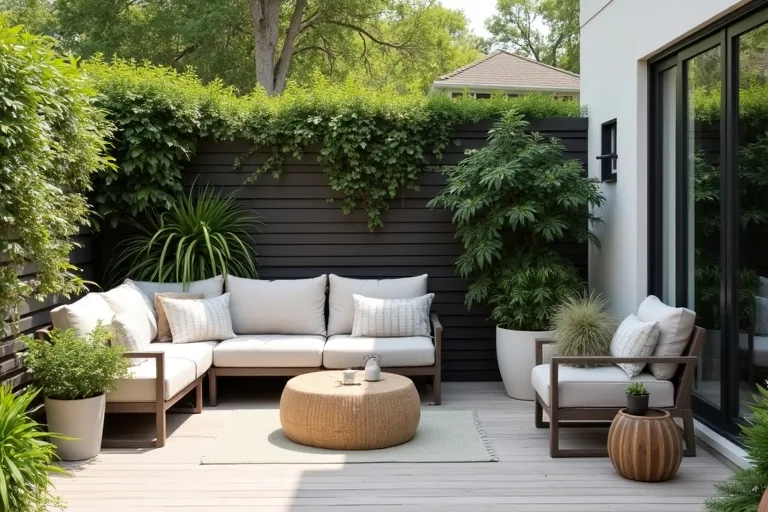
For readers who want to plan the budget and furniture choices before buying, the Room Makeover Planner, Home Layout Budget Spreadsheet (Digital Download) can be a helpful way to compare layout options and spending in one place. It is especially useful if you are deciding between one better seating set and several smaller purchases.
Best next step
If you are still deciding what will actually fit, map the area before you shop. That makes it easier to choose the right seating layout, check clearances, and avoid buying pieces that compete with the space instead of improving it.
- Buying the furniture before deciding how the space should function.
- Leaving too little clearance around chairs, tables, and walkways.
- Mixing dining and lounging needs into one crowded setup.
- Ignoring storage, which leads to cushions and clutter staying outside full time.
- Choosing pieces that are difficult to clean or move when the weather changes.
The calmest backyard seating areas are usually the simplest ones. Start with the use, size the layout around real clearance, and add storage so the space stays easy to live with. When the plan is clear first, the furniture choices become much easier.
Helpful next tools and planners
If you want to make the decision easier before you buy
These links are most useful after you have a basic layout in mind. They can help you compare space, storage, and budget without turning the project into guesswork.
FAQ
What makes a backyard seating area feel more relaxed?
A clear layout, enough walking space, and a simple storage plan usually matter more than decorative styling. When the area is easy to use, it feels calmer right away.
Is a conversation set better than separate chairs?
It depends on how you use the space. A conversation set is often easier for everyday lounging and small gatherings, while separate chairs can work better if you need more flexibility.
How do I stop cushions and outdoor items from cluttering the area?
Use a waterproof storage box or similar storage nearby so soft items have a clear home when they are not being used.
What should I plan before buying outdoor furniture?
Check the footprint, circulation, and clearances first. Then choose furniture that fits the layout instead of forcing the layout to fit the furniture.
Three sensible next steps
Some links in this article may be affiliate links. Read more in the Affiliate Disclosure.