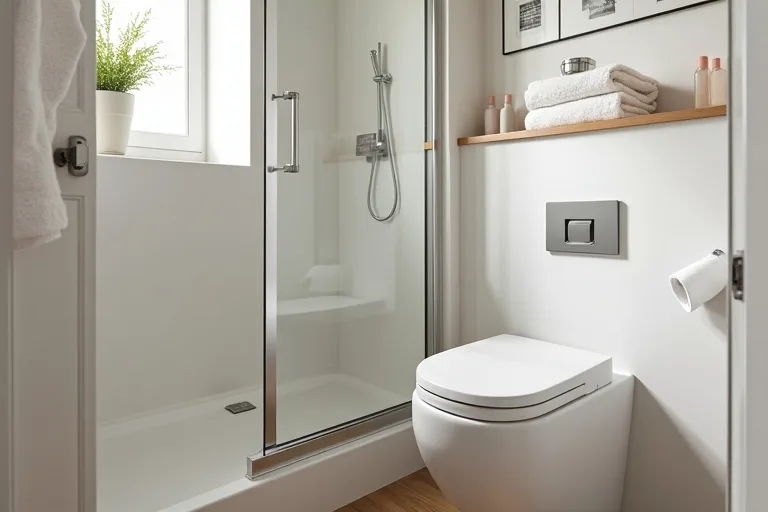
Bathroom shelving can solve a lot of small-space frustration, but only when it is sized and placed with care. In a tight room, the wrong shelf can do the opposite: block movement, collect clutter, and make everyday routines harder.
The good news is that most shelving mistakes are easy to avoid once you slow down and check the room first. A little planning around wall space, clearance, and what you actually need to store will usually lead to a much calmer result.
The biggest mistakes are poor sizing, bad placement, and choosing shelves that add clutter instead of usable storage.
Start with the storage problem, not the shelf
Before you choose a shelf, look at what the bathroom is missing. Many people buy storage because a room feels messy, but the real issue is often that there is no clear place for the items used every day. Towels, toilet paper, skincare, cleaning products, and spare toiletries all need different kinds of access.
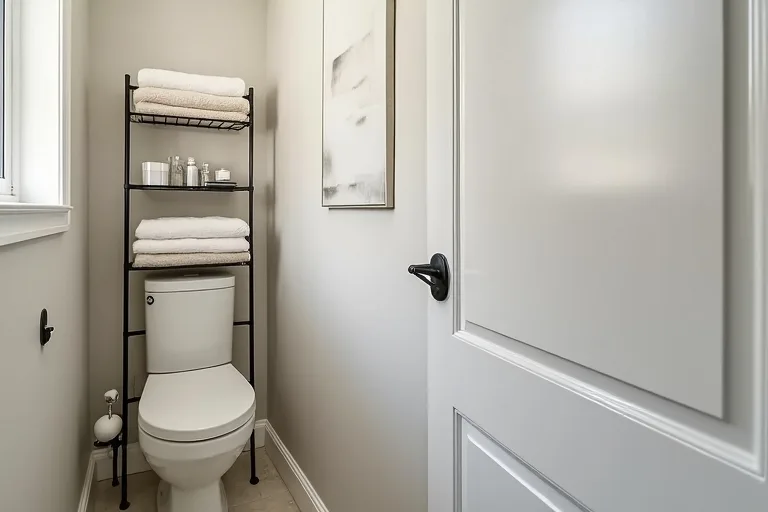
If you begin with the shelf first, it is easy to end up with something that looks helpful but does not fit the room’s actual routine. A narrow bathroom may benefit more from vertical storage than from a wide unit that dominates the wall. That is why over-toilet storage and compact wall shelving can work well in tighter layouts when the surrounding space is checked properly.
For broader planning on keeping smaller rooms under control, it helps to look at the wider storage picture too. The same logic appears in small spaces storage ideas and in the main Bathroom Ideas hub, where the focus stays on room function first.
Ask yourself what the shelf is meant to store, how often you need those items, and whether the wall location will make them easier or harder to reach. If the answer is vague, pause before buying.
When the storage job is clear, the shelf choice becomes much simpler. You can compare options based on purpose rather than style alone, which usually leads to a cleaner and more workable result.
Get shelf size and placement right the first time
One of the most common shelving mistakes is using a unit that looks fine online but feels awkward in the room. Bathrooms need breathing space. A shelf that is too deep can interrupt movement near the sink or toilet, while a shelf placed too high becomes inconvenient and often underused.
Placement matters especially around toilets, sinks, and shower areas. Over-toilet shelves can be useful because they use wall space that is often wasted, but they should not make the room feel cramped or interfere with the lid, fixtures, or any cleaning access. Near the sink, a shelf should leave enough room for everyday use without creating splash problems or crowding the mirror zone.
A simple way to think about the decision is:
- Measure the wall area you can actually use.
- Check the clearance you need for doors, drawers, and body movement.
- Decide what should be within easy reach and what can be stored higher up.
- Choose the smallest shelf that still solves the storage problem.
That approach is more useful than trying to fill every open wall. In a small bathroom, less is often better if it makes the layout easier to use.
Choose materials and open shelving with daily use in mind
Bathroom shelving has to cope with moisture, cleaning, and constant handling. A common mistake is choosing a shelf because it looks neat in a dry room, then expecting it to perform well in a steamy bathroom. Materials that cannot handle humidity tend to age badly, especially near showers or sinks.
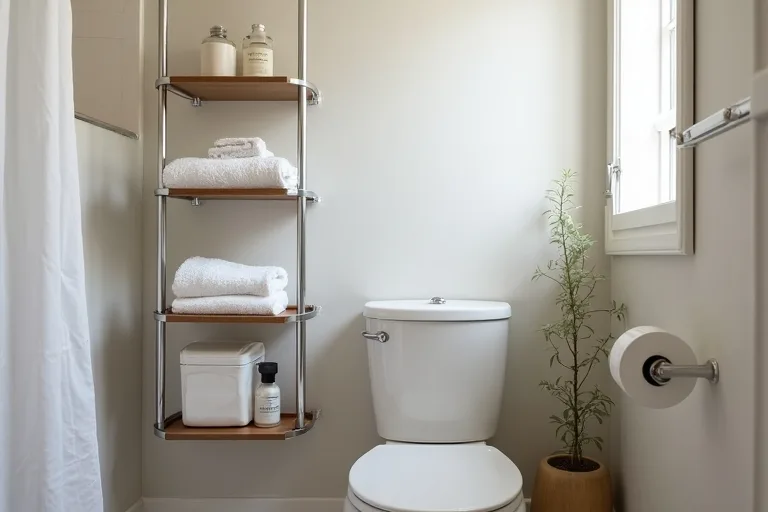
Open shelves can be very useful, but they need discipline. If they are overfilled, they quickly start to look messy and make the room feel smaller. The answer is not to avoid open shelving completely; it is to use it for a limited number of items that stay tidy and easy to grab.
A rustproof shower caddy can also be a better choice than a larger storage solution if the shower itself is where the clutter builds up. It keeps the essentials close without taking up floor space. For people who want a simple way to test room ideas before spending money, a planning tool can help keep the decision grounded in layout rather than impulse.
Best next step
Check your wall space, compare shelf depths, and map the items you actually need to store before you buy anything. If you want a calmer way to plan the layout, start with a room sizing step and then build the storage around it.
If you are unsure whether a shelf will make the room better or just busier, compare the storage need against the space you have. That one step prevents most regret purchases.
Know when vertical storage is the right solution
Vertical storage works best when the bathroom has limited floor area but still offers usable wall space. It is often the right move in compact apartments, narrow guest bathrooms, and rooms where the floor needs to stay clear for cleaning and movement.
The key is to keep the vertical plan selective. Use higher shelves for backup items, lower shelves for things you reach every day, and avoid stacking too many different container types in one view. If the storage starts to feel like a display, it may be adding visual noise instead of function.
For readers who like to map decisions before shopping, a simple planner can make the process much easier. It is useful for checking what fits, what needs to be stored, and whether a shelf or caddy is the smarter use of budget. A tool like the Styling Homes tools hub or a planning download can help make that next step more concrete.
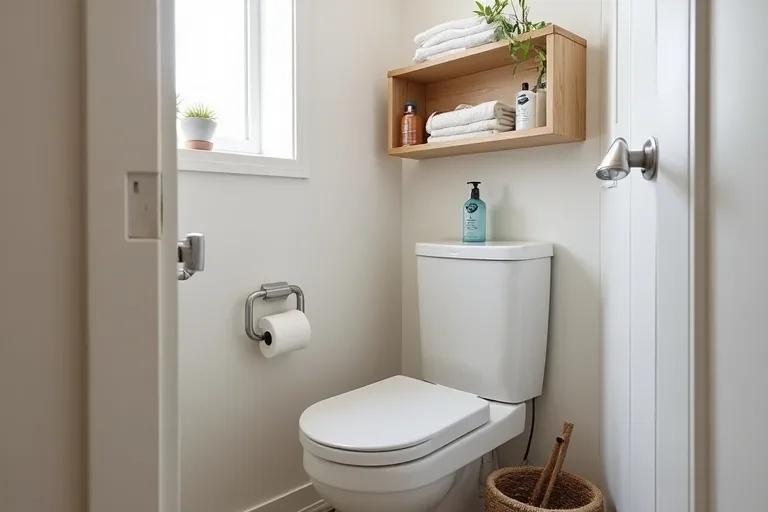
When vertical storage is chosen for the right reason, the room usually feels simpler rather than more crowded. That is the real goal: more function, less fuss.
- Buying a shelf before checking wall space and clearance.
- Using shelves that are too deep for a narrow bathroom.
- Placing storage where it blocks movement or cleaning access.
- Filling open shelves until they look busy and cramped.
- Choosing materials that do not cope well with bathroom moisture.
- Using vertical storage where a smaller, simpler solution would work better.
Bathroom shelving works best when it solves a clear storage problem, fits the wall space properly, and suits the way the room is used every day. In small bathrooms, the smartest shelves are usually the ones that stay out of the way, hold only what you need, and make the room feel easier to live with.
Helpful next tools and planners
If you want to make the decision easier before you buy
These options are best used after you have checked your wall space and decided what needs to be stored. They can help you compare practical bathroom storage choices without rushing into the wrong purchase.
FAQ
How do I know if bathroom shelving will fit?
Measure the wall space, check door and drawer clearance, and make sure the shelf will not interrupt movement near the toilet, sink, or shower.
Are open shelves a bad idea in small bathrooms?
No. They can work well if you keep them lightly styled and only store items you actually use or want visible.
What is the best shelving for a very small bathroom?
Vertical storage is often the best starting point, especially over the toilet or on otherwise unused wall space.
Should bathroom shelves be placed near the shower?
Only if the material can handle moisture and the items stored there are meant for that location, such as shower essentials in a rustproof caddy.
Three sensible next steps
Some links in this article may be affiliate links. Read more in the Affiliate Disclosure.