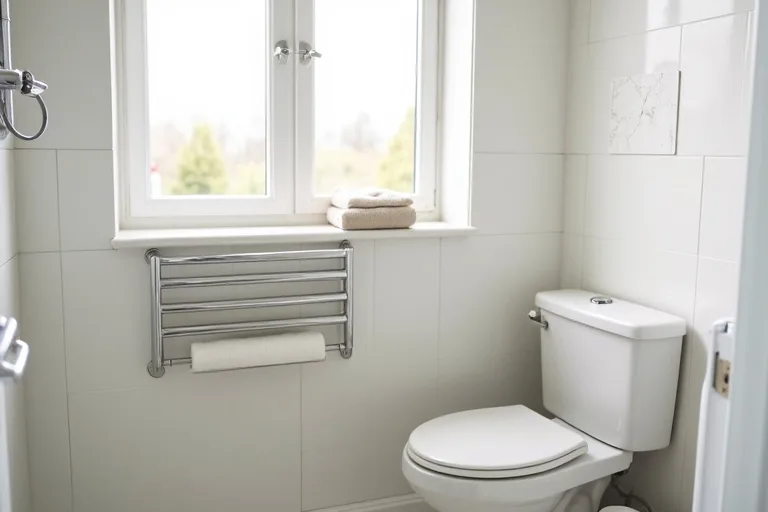
Bathroom storage gets difficult when you buy containers before you know what they need to hold. A shelf can look useful in the shop and still fail at home if the depth is wrong, the wall space is awkward, or the items you use every day are too far away.
The easiest way to avoid clutter is to treat storage like a layout decision first. Once you know what needs to fit, where it can sit, and how often you need to reach it, the right bin, shelf, or cabinet becomes much easier to choose.
Start with what you need to store, where it can fit, and how often you need to reach it. That simple order will tell you whether a bin, shelf, cabinet, over-toilet unit, or shower caddy makes the most sense.
Start with what actually needs storing
Before you compare products, sort your bathroom items into practical groups. This helps you avoid buying one container for everything, which usually leads to wasted space and messy overflow.
Think in categories such as everyday toiletries, spare toilet rolls, cleaning products, towels, hair tools, medications, and shower items. The goal is not to be neat on paper. The goal is to understand what needs fast access, what can be tucked away, and what should stay out of the dampest parts of the room.
If you live in a small bathroom, you may only have room for a few good storage moves. In that case, the priority is usually to free up the floor, clear the sink area, and put the most-used items where they are easy to reach without crowding the room.
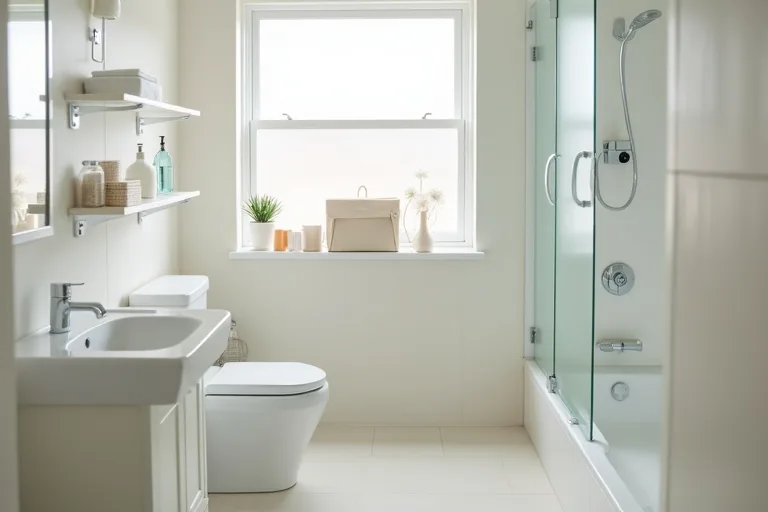
If you cannot name the items first, you are shopping too early. Write down what must be stored every day, what is used weekly, and what only needs occasional backup storage. That distinction usually decides whether you need open shelves, closed cabinets, or simple bins.
Measure the spaces that matter
Bathroom storage is usually decided by a few tight zones rather than the whole room. Measure the floor space, the wall width above the toilet, the depth beside the sink, and the clear space around doors, towel rails, and shower access.
It also helps to measure from the point of view of movement. Can a cabinet door open fully? Will a shelf block the toilet paper holder? Is there room to step out of the shower without bumping into a caddy or basket?
Use this order when you plan:
- Measure the storage zone itself.
- Check the clearance needed to open doors or reach items.
- Note what should stay free for daily movement.
- Decide whether the storage needs to be wall-mounted, freestanding, or tucked inside existing furniture.
If the measurements feel uncertain, a simple room planning tool can save you from trial and error. It is much easier to compare options on paper than to return a shelf that looked right but blocked the room.

Compare bins, shelves, and cabinets honestly
Each storage type solves a different problem. The best choice depends less on style and more on how the bathroom is used.
Bins are best when you need grouping and flexibility. They are useful inside cabinets, on shelves, or under sinks, especially for smaller items that would otherwise spread across surfaces. The downside is that bins can become hidden clutter if you do not label them or assign them a clear purpose.
Shelves work well when you want easy access and a lighter look. Open shelving can suit towels, spare toilet rolls, or a few neatly contained items. It is less forgiving in busy family bathrooms because everything is visible.
Cabinets are the best option when you want to hide visual noise and keep items protected from splashes. They work well for mixed storage, but they need more depth and more clearance. In a compact room, a cabinet that is too large can solve one problem while creating another.
For many bathrooms, the answer is a combination: a shelf for frequent items, a cabinet for backup storage, and small bins to keep the contents orderly.
Choose storage that fits moisture, cleaning, and access
Bathrooms are harder on storage than most rooms. Steam, splashes, and constant cleaning all affect what will stay useful over time.
Choose materials and placements with that in mind. An open shelf near the sink may be easy to use but harder to keep tidy. A closed cabinet near the shower may protect toiletries better. A rust-resistant shower caddy is often the simplest answer for keeping wash items off wet ledges and within easy reach.
Over-toilet storage can be especially helpful when the floor space is limited. It makes use of an area that is often wasted, but it should still feel easy to access and not too deep for the room. If you are considering an over toilet storage shelf bathroom setup, make sure it helps the room feel more organized rather than making the toilet area feel crowded.
A simple layout planner or budget spreadsheet can also help you decide whether one larger piece or a few smaller pieces will serve you better. Sometimes the calmest solution is not the biggest one, but the one that fits the room without making cleaning harder.
Best next step
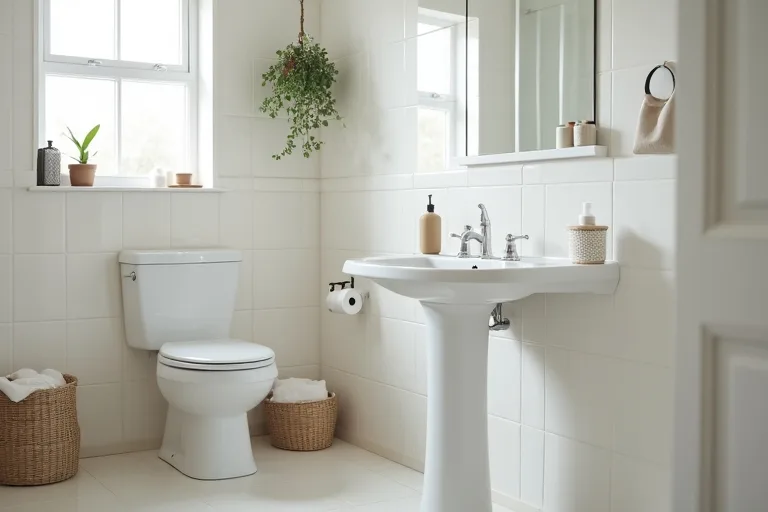
Measure your bathroom storage zones before you buy anything, then compare your options against a layout plan. If you want a calmer way to decide between bins, shelves, and cabinets, use a planning tool or checklist first so you can see what the room can actually hold.
- Buying storage before measuring the wall, floor, or door clearance.
- Choosing a container size that does not match what needs to be stored.
- Using open shelves for everything, then struggling to keep visual clutter down.
- Placing bins or cabinets too close to showers, doors, or towel rails.
- Ignoring cleaning access, which makes the storage annoying to maintain.
The right bathroom storage is the one that fits your items, your space, and your routine. Start with what you need to store, measure the zones that matter, then choose between bins, shelves, cabinets, or a mix of all three based on access and moisture. That keeps the room calmer and the shopping list shorter.
Helpful next tools and planners
If you want to make the decision easier before you buy
These are useful if you want to compare storage ideas, plan a layout, or keep the room budget under control before choosing products.
FAQ
What should I store first in a bathroom?
Start with the items you use every day, then add backup supplies, cleaning products, and anything that only needs occasional access.
Are open shelves good for bathroom storage?
Yes, if you keep the contents simple and tidy. They work best for towels, a few containers, and items you reach often.
When is a cabinet better than a shelf?
A cabinet is usually better when you want to hide clutter, protect items from moisture, or store mixed supplies in one place.
Is over-toilet storage worth it?
It often is in small bathrooms, because it uses space that is usually left empty. The key is choosing a piece that fits the room without crowding it.
Three sensible next steps
Some links in this article may be affiliate links. Read more in the Affiliate Disclosure.