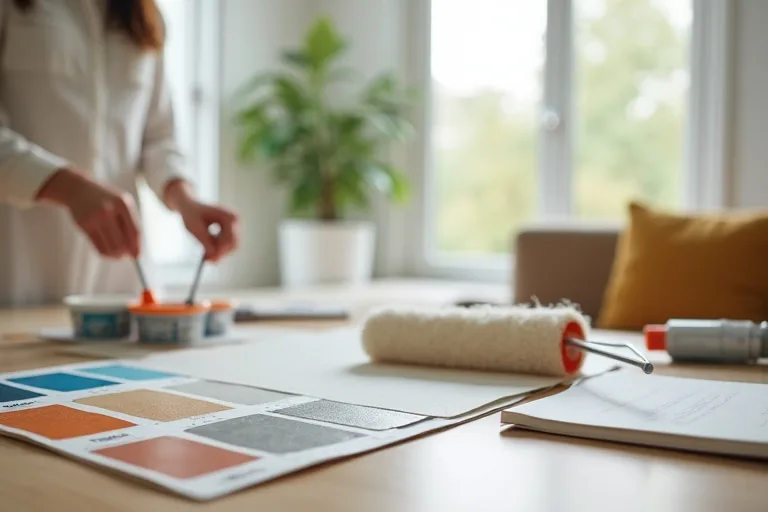
When a room feels tired, the answer is not always a full remodel. In many homes, the smartest move is to make a few focused upgrades that improve the room quickly without turning the project into a long, expensive reset.
This guide keeps the decision simple. You will see which changes usually give the most visible return, where paint and peel-and-stick flooring make sense, and how to plan the work so the budget stays under control from the start.
Start with the upgrades that change the room most for the least money: paint, flooring, hardware, and lighting. If you want one practical rule, choose the project that fixes the largest visual problem first, then check your budget before buying anything.
What counts as a budget-friendly upgrade
A budget-friendly upgrade is not just something cheap. It is something that improves the room enough to justify the cost, the time, and the disruption. That usually means changes you can see immediately or feel every day: fresher walls, cleaner-looking floors, better storage details, or fixtures that make the room easier to use.
The most useful upgrades usually fall into three groups. The first group is cosmetic work like painting, replacing dated hardware, or refreshing a small wall area. The second is surface work, such as flooring that covers worn areas without a full tear-out. The third is small functional changes that help the room work better, such as adding better lighting or swapping old fixtures.
For a room that already functions well but looks worn, cosmetic changes often deliver the best value. For a room that feels hard to clean or patchy underfoot, a surface update may be the better first step. The right answer depends less on trends and more on what is bothering you most each day.
The real decision is not “What is affordable?” It is “Which change removes the biggest problem in this room for the smallest total cost?” If the wall color is the main issue, start with paint. If the floor is what makes the room feel unfinished, look at peel-and-stick tile or another surface update. If the room functions well but feels dated, begin with hardware and lighting.

How to choose the highest-impact changes first
The easiest way to avoid overspending is to rank the room problems before you shop. Most budget upgrades fail when people buy items in isolation instead of solving the biggest visual and functional issues first.
Use this simple order when you are deciding where to begin:
- Identify what makes the room feel most unfinished, dated, or inconvenient.
- Separate cosmetic problems from structural or moisture-related issues.
- Choose the smallest change that will noticeably improve the room.
- Check whether the upgrade affects other decisions, such as paint color, trim, or flooring edge detail.
- Set a cap before purchasing materials or tools.
Paint is often first because it changes the whole room quickly. It can make low ceilings feel cleaner, neutralize busy finishes, and make older rooms feel more intentional. If the walls are in reasonable condition, paint is one of the few upgrades that can shift the atmosphere of a room without forcing a larger renovation.
Flooring comes next when the current surface is visibly worn or difficult to live with. Peel-and-stick floor tile waterproof can be a useful option in some spaces because it is relatively approachable and can refresh a room without the disruption of a full replacement. It works best when the existing floor is smooth, dry, and stable, and when you are honest about the room’s traffic level and moisture exposure.
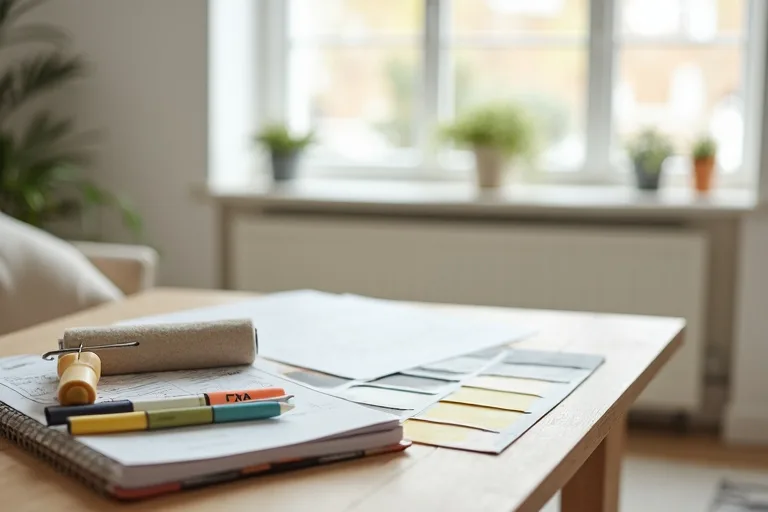
Paint, flooring, and the tools that keep DIY work manageable
Paint and flooring are two of the most common budget upgrades because they offer visible change without the commitment of a major remodel. They still need planning, though. A rushed paint job or a poorly prepared floor usually costs more in rework than it saves in the beginning.
For paint, the most important choices are coverage, prep, and timing. Good prep matters more than fancy technique. That usually means cleaning the surface, repairing obvious flaws, protecting nearby finishes, and using a paint roller kit for walls and ceilings that helps you work steadily instead of stopping every few minutes to solve a tool problem.
For peel-and-stick flooring, the key question is whether the substrate is ready. Surface prep matters here too. A budget flooring project can look surprisingly polished when the existing floor is flat, clean, and dry. It tends to go wrong when the old surface is damaged, uneven, or exposed to ongoing moisture.
These products are most helpful when you want a practical refresh, not a forever solution. That distinction matters. A low-cost upgrade is successful when it matches the room’s use, the timeline you have, and the quality you expect from a partial update.
If you want to keep the project organized, a simple renovation budget sheet can help you track materials, tools, and any outside help before the work starts. That is often the difference between a contained upgrade and a drifting project.
Buy the tools that reduce friction, not the ones that look impressive in the cart. A reliable roller kit, basic prep supplies, and a planner for tracking your spend will do more for most budget projects than a long list of specialty items.
How to set a realistic budget before you buy
A realistic budget starts with the room, not the shopping list. Before you compare products, write down what you are trying to fix, what you are willing to leave alone, and how far you can go without creating follow-on work you did not plan for.
It helps to separate your budget into three parts: materials, tools, and backup room for surprises. Materials are the visible items such as paint or tile. Tools are the things that help you finish the job properly. Backup room is the margin that keeps a small issue from becoming a stalled project.
If the project is in a bathroom or another room where the layout and surface condition matter a lot, it is worth checking a room-specific estimate before you commit. The bathroom remodel cost estimator is a useful next step when you want to see how quickly a modest update can expand once fixtures, labor, or hidden work enter the picture. If paint is your main task, the paint calculator is a cleaner way to estimate materials before you order.
For readers who like to keep all project notes in one place, the Home Renovation Budget Planner Spreadsheet can be a practical way to track choices, spending, and priorities in one file instead of across scattered notes.
Best next step
If you are still deciding how far to go, use a tool before you buy materials. That keeps the project grounded in the real room, the real spend, and the real amount of work involved.
- Choosing the cheapest upgrade before identifying the biggest room problem.
- Buying paint, flooring, or tools before checking prep conditions.
- Using peel-and-stick flooring where moisture, damage, or unevenness is still unresolved.
- Forgetting to budget for tools, supplies, and small repair items.
- Starting with decor pieces before the room’s layout and surface issues are handled.
Budget-friendly home upgrades work best when they are chosen in the right order. Start with the room problem that bothers you most, then use paint, flooring, and simple fixture updates to create the biggest change without taking on a full remodel. Keep the budget realistic, use the right tools, and check the room’s actual conditions before you buy. That is how a small update stays calm, controlled, and worth the spend.
Helpful next tools and planners
If you want to make the decision easier before you buy
A few focused tools can help you stay within budget and avoid the common mistake of buying materials before the room plan is clear. These are the most relevant next steps for a simple upgrade project.
FAQ
What are the best budget-friendly home upgrades?
Paint, flooring refreshes, hardware swaps, and small lighting updates usually offer the best balance of cost and visible change.
Is peel-and-stick flooring a good budget option?
It can be, especially when the existing surface is smooth, clean, dry, and stable. It is best treated as a practical update rather than a permanent floor replacement.
What should I buy before starting a paint project?
Start with the basics: paint, primer if needed, a reliable roller kit, prep supplies, and protection for surrounding surfaces. A paint calculator can help you estimate materials before you shop.
How do I avoid going over budget on a small remodel?
Set a total cap before buying materials, separate tools from materials, and leave room for small extras. A simple budget planner makes this much easier to track.
Three sensible next steps
Some links in this article may be affiliate links. Read more in the Affiliate Disclosure.