When a room needs a refresh, the hard part is rarely finding ideas. It is deciding where money actually makes a difference and where it disappears into details that do not change how the room feels.
The safest budget upgrades are usually the ones that improve the room’s first impression, daily use, and visual order at the same time. That is how a modest update can look finished without pretending to be a full renovation.
Focus on paint, flooring, lighting, and hardware first, then spend more only where the room gets daily use. If you keep the finishes coordinated and resist small distracting purchases, even a limited budget can create a room that feels calm and complete.
What makes an upgrade feel intentional instead of cheap
A budget update usually looks cheap when the room has too many competing finishes, obvious patchwork, or one very low-quality detail that draws attention. The opposite is also true: a room can be simple and inexpensive, but still feel considered when the basics are consistent.
The main goal is not to make every surface expensive. It is to make the room feel as if the choices were made on purpose. A single paint colour used well, a floor finish that suits the room, and a few fixtures that match can do more than a basket of trendy accessories.
One of the easiest ways to improve that sense of intention is to reduce visual noise. Keep the palette narrow, avoid mixing too many metal finishes, and choose materials that look like they belong together. A room with fewer but better-aligned choices usually feels more polished than one with lots of small purchases.
Before you buy anything, ask one question: will this item improve how the room looks every day, or will it only fill space? If it does not affect the room’s main sightlines, use, or wear, it is probably not the best place to spend first.
The low-cost upgrades that usually give the most back
For most rooms, the highest-return changes are the ones that affect what you see first and what you touch often. That is why paint, flooring, lighting, and hardware usually earn their place ahead of smaller decor purchases.
Paint is often the cleanest place to start because it resets the room quickly and makes everything else easier to judge. If you are planning walls and ceilings together, a simple coverage check can help you avoid underbuying materials or ordering far more than you need. A room that is supposed to feel calmer should not begin with guesswork.
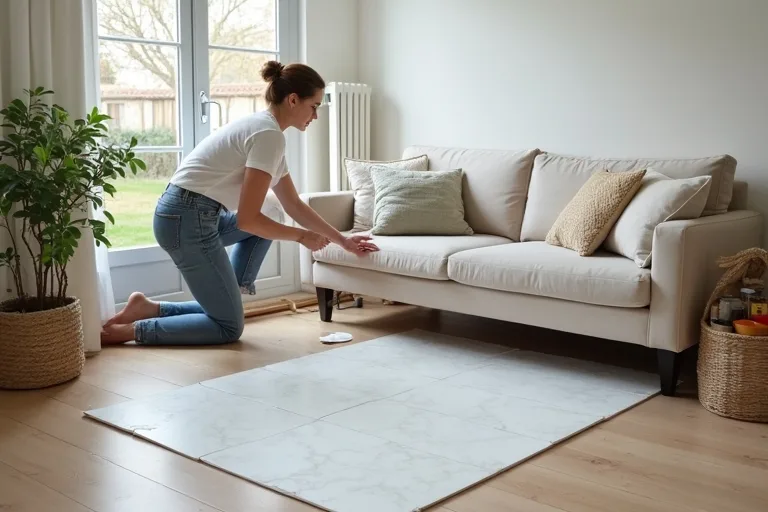
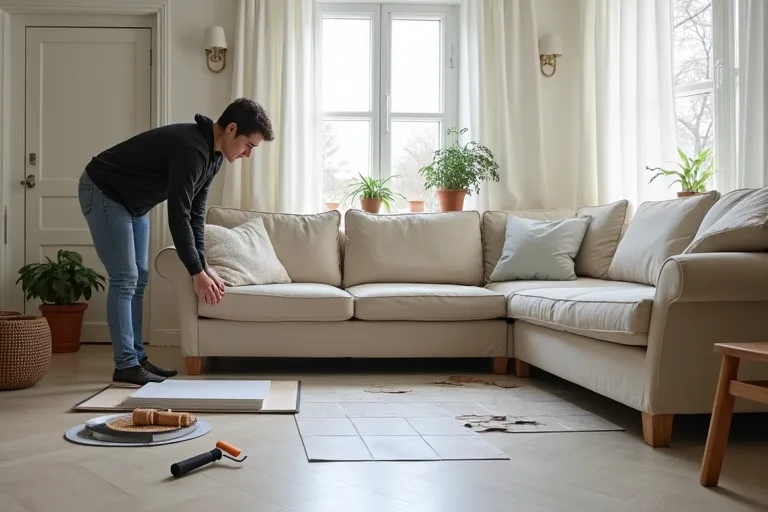
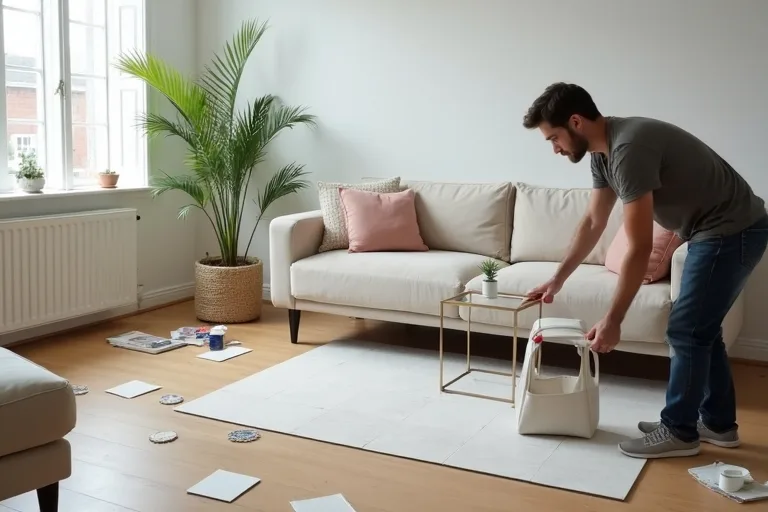
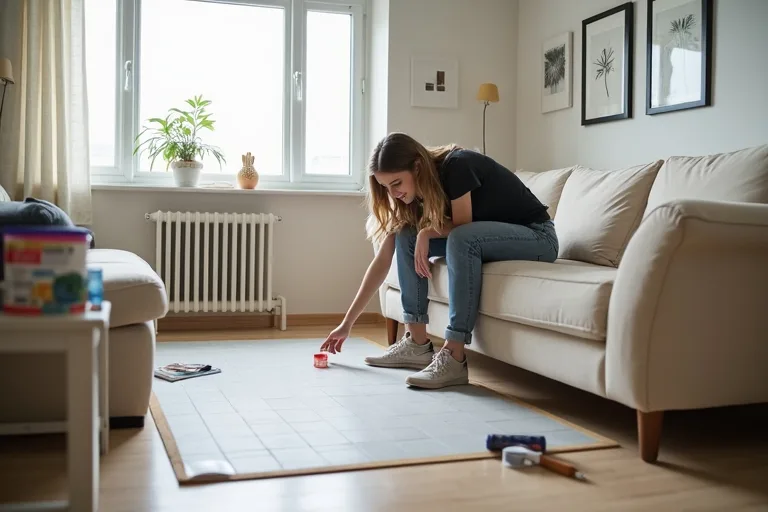
Flooring is the other big visual anchor. If the existing surface looks worn but the room does not justify a full replacement, peel and stick floor tile waterproof can be a practical middle ground for some spaces. It is not the right answer for every room, but it can be a useful option when you need a cleaner look without committing to a more expensive install.
Small updates can also improve the room faster than people expect. Cabinet pulls, door hardware, a simple ceiling light, or a better lamp arrangement can quietly lift the whole space when the bigger elements are already working.
- Start with the surface that takes up the most visual space.
- Then fix the finish that is most visibly worn.
- After that, improve the light or hardware that people touch every day.
- Save decor for the end, once the room already feels coherent.
If you are repainting, the right tools matter more than people think. A dependable paint roller kit for walls and ceilings helps the work go more smoothly and makes it easier to get a cleaner result without overcomplicating the job.
Where to save money and where not to cut too far
Saving money works best when it happens on items that are easy to replace later. It is much harder to save on the parts of a room that define the finish, durability, or daily comfort. That is the main line to keep in mind.
It usually makes sense to spend a little more on the pieces that set the tone: paint quality, flooring choice, and anything that sees regular wear. You can often save on accessories, styling pieces, and secondary decor without hurting the final result.
If you are trying to decide whether to go smaller on a purchase, check how visible the item is and how often it will be used. A low-cost item in a low-traffic spot is usually fine. A low-cost item in a high-use zone can become the thing that makes the room feel unfinished.
Use your budget where the room is most exposed to view and wear. That usually means walls, floors, lighting, and handles before decorative extras. If a choice will be touched, walked on, or seen every day, quality matters more than whether it is trendy.
For readers who want to keep the whole project under control, a Home Renovation Budget Planner Spreadsheet (Google Sheets, Excel) can make the tradeoffs much clearer. The point is not to track every penny forever; it is to decide early what deserves the budget and what does not.
A simple room-by-room order that keeps spending calm
Budget upgrades get easier when you decide the sequence before shopping. The order changes slightly from room to room, but the logic stays the same: fix the most visible, most worn, and most useful parts first.
In a living room, start with paint and lighting, then address flooring if it is distracting or damaged, and only then look at soft furnishings. In a bedroom, the wall colour and window treatment often shape the feeling of the room more than decorative extras. In a bathroom, finish condition and durability matter more because moisture and daily cleaning expose weak materials quickly.
If you are unsure where your room sits, use the room’s main job as the filter. A room for guests can lean more on appearance. A room you use daily needs stronger materials and fewer fragile shortcuts. That is where budget decisions become simpler, not more restrictive.
For bathroom projects, it can help to sanity-check the upgrade against a real budget before you start. The bathroom remodel cost estimator is useful when you are deciding whether a refresh is enough or whether the room needs a larger change. For paint-led projects, the paint calculator is the better first step because it turns a vague idea into a more workable plan.
The more you match the upgrade to the room’s actual use, the less likely you are to overspend on things that look nice in a cart but do not improve the space much at home.
Best next step
If you want to keep the project calm, start with a budget plan before you start shopping. A simple spreadsheet makes it easier to decide what comes first, what can wait, and where a cheaper choice is perfectly reasonable.
- Buying decor before the room’s main surfaces are sorted out.
- Mixing too many finishes, which makes a budget room look unplanned.
- Choosing the cheapest version of a high-wear item just to save upfront.
- Skipping paint and coverage planning, then running short mid-project.
- Spending on small extras while the flooring, lighting, or walls still feel off.
Budget-friendly upgrades work best when they improve the room’s biggest visual and practical problems first. Paint, flooring, lighting, and hardware usually do more for the finished result than scattered decor purchases, and a simple budget plan helps you spend where it counts. If you keep the sequence clear, even a modest update can feel finished rather than cheap.
Helpful next tools and planners
If you want to make the decision easier before you buy
These options are most useful once you have a rough plan. They help you check the numbers, size the job, and avoid spending too much on items that will not move the room forward.
FAQ
What should I upgrade first in a budget room refresh?
Start with whatever affects the room most every day: paint, flooring, lighting, or hardware. Those changes usually have more impact than decorative purchases.
How do I keep a cheap update from looking unfinished?
Use fewer finishes, repeat the same tones, and avoid buying small items before the main surfaces are sorted. A consistent palette does more for the room than extra accessories.
Is peel-and-stick flooring a good budget choice?
It can be, especially when you need a cleaner look without a full replacement. It works best when the subfloor and room conditions are suitable and when you choose it for the right space.
Do I really need a budget planner for a small project?
Yes, if you want to avoid overspending on low-impact items. Even a small spreadsheet helps you compare what matters most before you commit.
Three sensible next steps
Some links in this article may be affiliate links. Read more in the Affiliate Disclosure.