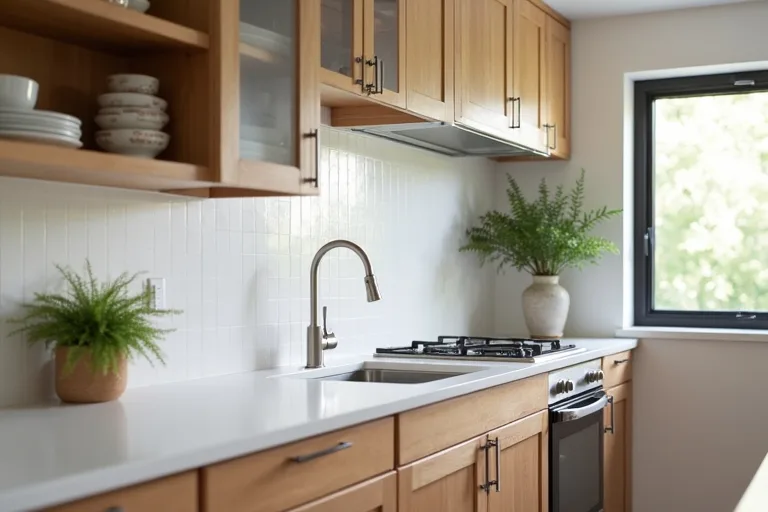
Choosing a countertop on a budget is rarely about finding the cheapest surface. It is about choosing the surface that still makes sense after you account for cabinets, appliances, installation, and the way the kitchen actually gets used.
If you treat the countertop as one decision inside the full remodel plan, the choice becomes much clearer. You can compare materials honestly, avoid surprise costs, and spend where it matters most instead of reacting to the first price you see.
Choose the most durable surface you can afford for your cooking habits and layout. If the kitchen gets heavy daily use, spend more on durability and installation quality; if the room is lower-traffic, you can save on the surface and protect the plan with better budgeting elsewhere.
Start with the budget range that fits the whole kitchen
The best countertop budget choice starts with the overall remodel picture, not the countertop alone. A surface that looks affordable can still stretch the budget once you add removal, templating, fabrication, delivery, cutouts, and finishing details.
That is why it helps to set a clear range before you compare materials. Think in terms of what the countertop can reasonably take from the kitchen budget without forcing weak choices elsewhere. If the room still needs lighting, backsplash work, or a faucet update, the countertop should not consume money that those items need to finish the space properly.
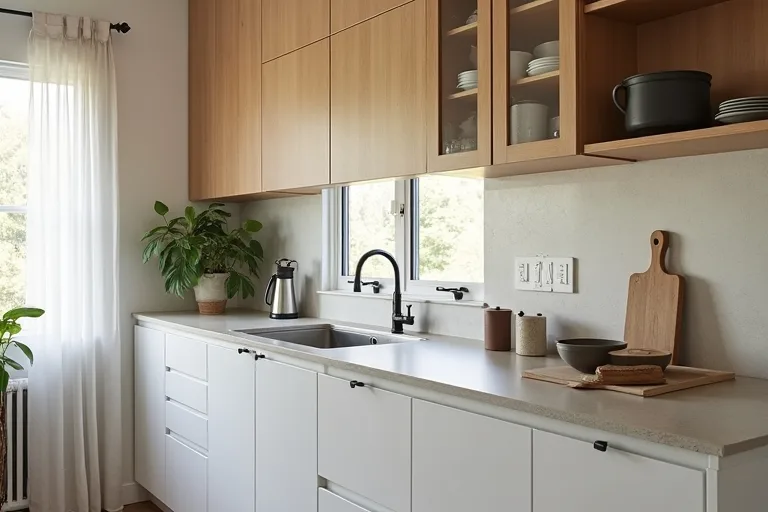
For many projects, the right move is not to chase the lowest possible surface cost. It is to choose a mid-range material that keeps the rest of the plan balanced. That can leave room for a better sink, a more reliable faucet, or cleaner installation work, which often improves daily use more than a small upgrade in the counter itself.
The real question is not “What is the cheapest countertop?” It is “Which surface fits my kitchen use, my budget ceiling, and the other upgrades I still need to finish?”
Compare materials by use, upkeep, and visual impact
Different countertop materials solve different problems. Some are easier on the budget. Some are easier to live with. Some give you the look you want without the same level of maintenance.
Instead of shopping by trend, compare the surfaces against how you cook, clean, and move through the kitchen. A busy family kitchen and a light-use galley kitchen do not need the same answer.
- Lower-cost surfaces: Often best when the goal is to keep spending tight and finish the room cleanly without overcommitting to one item.
- Mid-range surfaces: Usually the most balanced choice when you want better durability and a more finished look without pushing the remodel too far.
- Higher-value surfaces: Make sense when the countertop has to handle heavy use, moisture, or a layout where failure would be costly later.
If you want a more budget-conscious finish with a straightforward install, laminate can be a sensible place to start. If you want a more stone-like look while still planning carefully, a quartz-look option may fit the brief. The key is matching the surface to the room’s actual demands rather than assuming the most expensive option is always the safest.
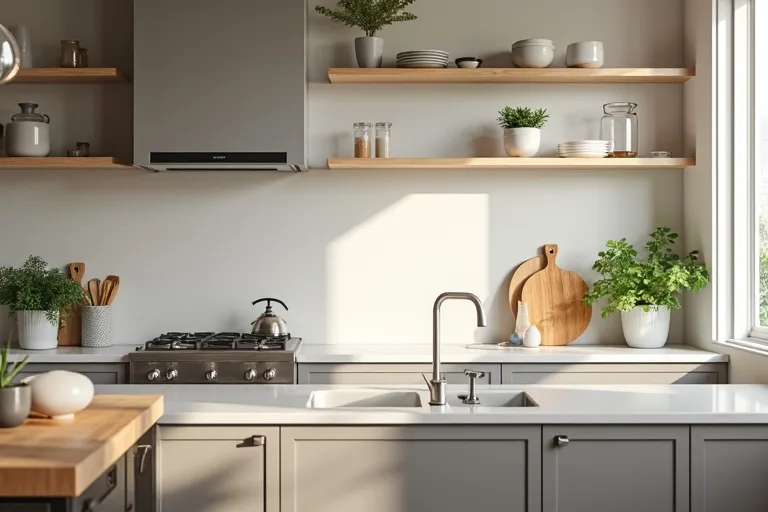
A small change in material choice can also affect the rest of the kitchen. For example, if the countertop budget stays controlled, you may have enough room to upgrade the faucet to a brushed nickel kitchen faucet pull down or keep the backsplash simple with peel and stick backsplash tile kitchen if that suits the project phase.
Plan for installation, edges, and the costs people miss
Countertop budgeting becomes easier when you separate the surface itself from the work needed to install it. Many projects feel affordable at first, then become less comfortable once the hidden parts are added in.
The most common items that affect the final spend are removal of the old top, sink cutouts, splash details, edge profile choices, and any adjustments needed to fit the cabinets and walls. Even a modest kitchen can have a few small complications that change the quote more than expected.
It helps to make the decision in this order:
- Set the total countertop budget inside the full kitchen plan.
- Choose the surface based on use and maintenance.
- Check installation requirements and cutout needs.
- Review edge and finish options before approving the quote.
- Leave room for one or two related items that support the final look.
If you are working through a full remodel rather than a single replacement, the budget should also account for timing. Countertops often sit at the center of the kitchen schedule, so delays can affect other work. That is another reason to make the choice calmly and early, after the layout is clear but before the rest of the spending gets locked in.
Match the countertop choice to the room layout and next upgrades
A countertop should suit the kitchen you actually have, not only the one you imagine after the renovation. In a compact room, a busy pattern or high-maintenance surface can make the kitchen feel harder to manage. In a larger layout, a more durable top may be worth the extra spend because it anchors the whole room.
This is also where it helps to look at the kitchen as a system. The countertop affects the sink, the faucet, the backsplash, the island, and the overall movement through the room. If you are still deciding on the layout, the surface choice should wait until the size and flow of the space are clear.
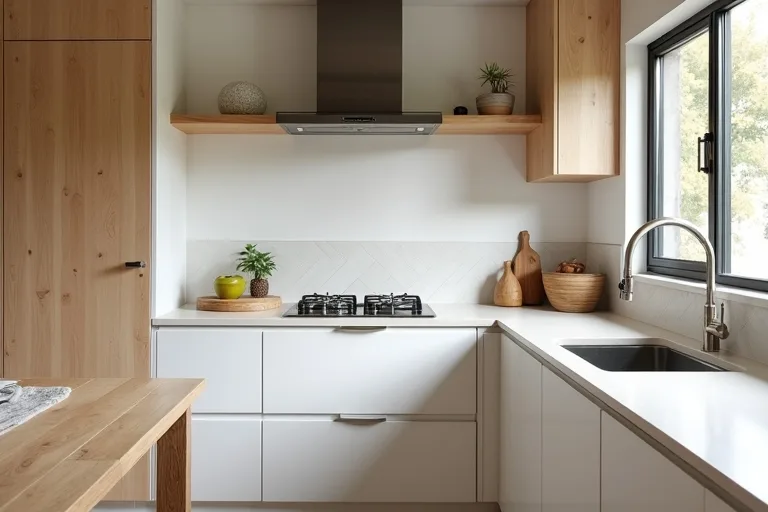
For that reason, it is smart to pair countertop planning with the broader kitchen design conversation. The Kitchen & Dining hub is a good place to keep the room plan aligned, and the kitchen island size calculator can help if the countertop decision is tied to island dimensions or circulation space. When the layout is clear, the material choice is much easier to judge.
Best next step
Before you buy, map the countertop cost against the rest of the kitchen budget so the surface choice does not crowd out the work that finishes the room. The simplest way to do that is to use a budget planner alongside your material shortlist.
- Choosing the surface before setting the total remodel budget.
- Ignoring installation, edge work, and cutouts when comparing prices.
- Picking a material that does not match how often the kitchen is used.
- Saving on the countertop but leaving no room for finishing details that affect daily use.
- Forgetting that layout and sizing decisions can change what the best value actually is.
The smartest countertop budget choice is usually the one that balances durability, maintenance, and the rest of the kitchen plan. Start with the full budget, compare materials by real use, allow for installation details, and keep the layout in view. That way, the countertop supports the room instead of taking over the budget.
Helpful next tools and planners
If you want to make the decision easier before you buy
A few practical tools can help you keep the countertop choice grounded in the real numbers and the rest of the kitchen plan.
FAQ
Is laminate still a good budget countertop choice?
Yes, if your goal is to control spending and finish the kitchen cleanly. It can be a practical option when the room does not need a high-end material to function well.
Should I spend more on the countertop or the faucet?
Spend where the kitchen will feel the difference every day. If the counter will take the hardest use, prioritize that first. If the countertop is already a solid choice, a reliable faucet update can be a smart secondary upgrade.
How do I avoid overspending on installation?
Ask what is included before you approve a quote. Removal, cutouts, edges, and finishing details can change the final number more than the surface price itself.
What should I do if my budget is too tight for my first choice?
Keep the layout and function intact, then simplify the finish. You can often save by choosing a different surface tier, reducing edge complexity, or postponing a nonessential upgrade.
Three sensible next steps
Some links in this article may be affiliate links. Read more in the Affiliate Disclosure.