

If you want a bedroom to feel calm and cozy, the easiest mistake is shopping before the room plan is clear. A few well-chosen pieces can make a space feel settled, but only if they fit the layout, support the light, and work with what you already own.
This checklist keeps the decision simple. Start with the room’s purpose, then check the scale, bedding, and budget before you commit to furniture or decor. That way, each purchase has a job to do.
Check layout, scale, lighting, and bedding first, then buy decor that supports the room plan.
Start with the room goal and the layout
Before you buy anything, decide what this bedroom needs to do. A cozy bedroom for rest is not the same as a bedroom that also needs a reading corner, storage for clothes, or space to work occasionally. The more clearly you define the room’s purpose, the easier every later choice becomes.
Walk through the room and note the path from the door to the bed, the closet, and any windows. If movement feels awkward now, extra decor will not fix it. A simple room plan helps you see whether the bed should stay centered, shift to one side, or be paired with smaller bedside pieces.
For a clearer layout decision, use the room layout planner before you shop. If you are still unsure what style direction fits the room, the Bedroom Ideas hub is a good place to compare practical approaches without overcommitting.
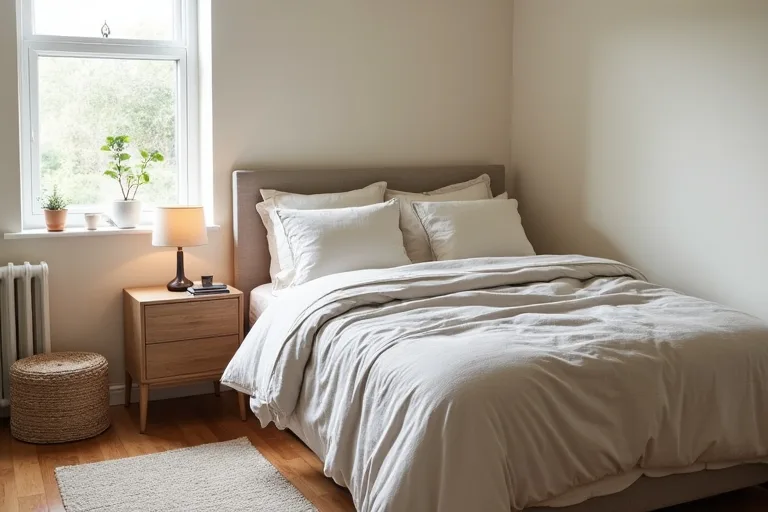
The real decision is not whether a piece looks nice online. It is whether it fits the room’s walking space, supports the bed placement, and leaves enough visual breathing room for the bedroom to feel calm.
Check what the room can actually fit
Cozy rooms can still feel uncluttered, but only when the scale is right. Measure the bed, bedside tables, and the wall space you have available before you buy anything. A room that is too full often feels smaller, even if every item is attractive on its own.
Use this simple order when you review the room:
- Measure the bed you already have or plan to buy.
- Check how much clearance you have on each side.
- Decide whether one or two bedside tables make sense.
- Confirm that drawers, doors, and closet access will still work.
- Leave space for one or two softer pieces, such as a rug or bench, only if the room can handle them.
If the room is narrow, smaller bedside tables and a lighter visual footprint usually work better than oversized matching furniture. If you are unsure how a window treatment will affect the room, the curtain length calculator can help you make a cleaner decision before you buy.

Choose bedding, lighting, and texture before decor extras
In a cozy bedroom, bedding does more visual work than most decorative objects. A simple foundation, such as a linen look duvet cover set queen neutral or a neutral comforter set queen, can set the tone without making the room feel busy. Neutral bedding also gives you more freedom if you want to change pillows, lamps, or wall art later.
After bedding, check the room’s light layers. One overhead fixture is usually not enough if you want the room to feel settled at night. A bedside lamp, softer bulb temperature, and window coverings that reduce harsh daylight can make the room feel more relaxed without adding clutter.
Texture matters too. A rug, woven throw, or simple curtain fabric can make the room feel warm while keeping the palette quiet. If you are planning paint at the same time, use the paint calculator before buying color samples or planning larger changes. That keeps the finish choices tied to the actual room, not just a swatch.
Set the budget and buy in the right order
A cozy bedroom feels better when the budget supports the order of decisions. Start with the pieces that solve the room first, then buy the items that finish the look. That usually means bed, bedding, lighting, then storage and decor. The small objects should come last, not first.
If you like to keep decisions organized, a simple planner can help you compare layout, budget, and room needs in one place. The Room Makeover Planner, Home Layout Budget Spreadsheet is useful if you want a digital way to track purchases before you commit.
Budgeting also helps you avoid the common trap of buying several decorative items before the larger essentials are right. A room can feel unfinished for a while, but it should never feel physically awkward just because the styling is ahead of the planning.
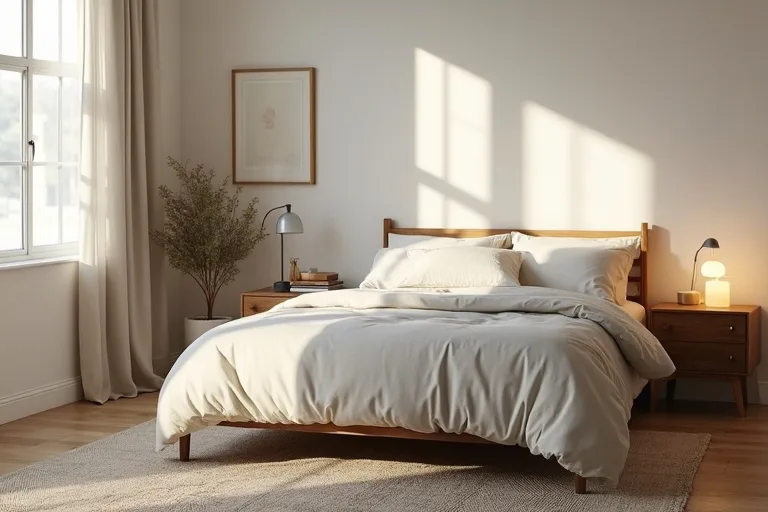
Best next step
If you want to keep the room calm before you buy, map the layout first, then check the pieces that actually fit the space. A quick planning step now can save you from replacing the wrong furniture later.
- Buying decor before you know where the bed and storage will go.
- Choosing furniture that blocks walking space or door swing.
- Mixing too many textures and colors before the bedding foundation is settled.
- Forgetting that lighting changes how cozy a room feels at night.
- Spending on small accessories before the bigger layout and scale decisions are done.
The best cozy bedroom checklist is simple: plan the layout, confirm the scale, choose bedding and lighting with care, and then buy decor that supports the room instead of competing with it. That order keeps the room calmer and helps every purchase earn its place.
Helpful next tools and planners
If you want to make the decision easier before you buy
These options are most useful when you are still deciding what the room needs. Start with the planning step, then move to the items that finish the look only after the layout is clear.
FAQ
What should I decide first for a cozy bedroom?
Start with layout and function. Once you know how the bed, storage, and walking paths will work, the rest of the room becomes much easier to plan.
Should bedding come before decor?
Yes. Bedding usually sets the largest visual surface in the room, so it makes sense to choose that foundation before adding smaller decorative pieces.
How do I know if furniture is too big?
If the room feels tight to walk through, if doors or drawers are blocked, or if the bed dominates the space, the scale is probably too large for the room.
What is the safest way to build a cozy color palette?
Use a small palette with soft neutrals and a few texture changes rather than many competing colors. That usually creates a calmer, more grounded bedroom.
Three sensible next steps
Some links in this article may be affiliate links. Read more in the Affiliate Disclosure.