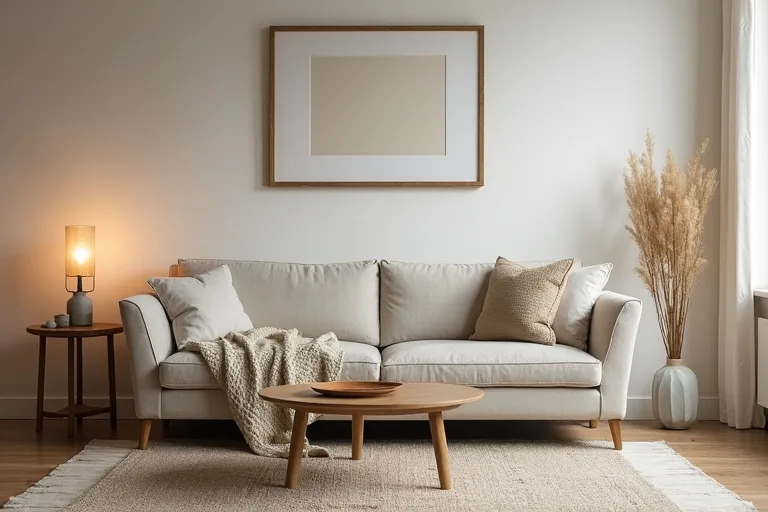
Not every cozy living room needs a full makeover. In many homes, the room feels better with a few careful changes: better lighting, a rug that stays put, softer layers, and wall art that finishes the space.
The hard part is knowing when small updates are enough and when the room is asking for a bigger reset. If you want the next change to actually help, it is worth separating comfort fixes from layout problems before you spend.
Start with low-cost comfort updates first, then only move to a bigger refresh if the layout or key furniture no longer works. If the room feels unfinished but usable, focus on rug, lighting, textiles, and wall art. If the room feels awkward to move through, too crowded, or hard to furnish, the bigger refresh is usually the better spend.
What a budget cozy update can actually change
A budget update is best when the room already works and just needs more warmth, softness, or visual order. These changes can make a room feel calmer without forcing you to replace the biggest items.
Start with the parts you see and use every day. A lamp with warmer light, a throw blanket, a few textured cushions, and neutral framed wall art set for living room can make the room feel more complete without changing the structure of the space.
One of the most underrated fixes is the rug setup. If your rug slides, bunches, or never seems to sit right, the whole room can feel a little off. A non slip rug pad 8×10 is not exciting, but it can make a large rug look neater and help the seating area feel more settled.
The point of a budget cozy update is not to decorate more. It is to remove friction and make the room feel intentionally finished.
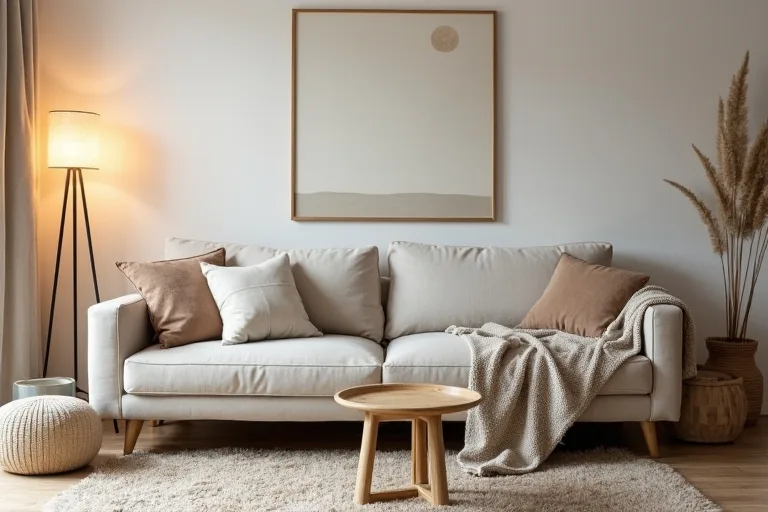
If your sofa, rug size, and main walkway already work, keep the room and refine it. If you are fixing the same problem again and again, such as a rug that slips or a wall that still feels unfinished, the issue may be in the plan rather than the styling.
When a bigger refresh makes more sense
A bigger refresh is worth considering when the room has a layout problem, not just a style problem. If the sofa blocks circulation, the furniture feels too small for the room, or there is no clear place to anchor the seating area, more cushions will not solve it.
This is also the right path if several core pieces are no longer doing their job at the same time. For example, the rug is too small, the lighting is poor, and the walls are still bare. At that point, a room reset can be more efficient than trying to patch things one item at a time.
A useful way to think about it is to ask whether you are updating the room you have, or redesigning the room you want. If the answer is redesigning, begin with layout and proportions before shopping for finishes.
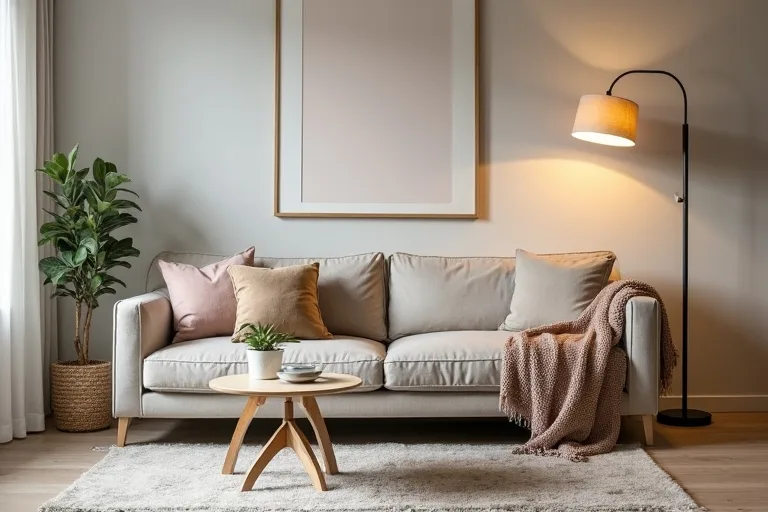
- Check circulation first. If people have to squeeze around furniture, the room needs planning, not just decor.
- Check anchor points next. A sofa, rug, and coffee table should work together as one seating zone.
- Check the lighting. If the room only feels good in one corner, the lighting plan may need a reset.
- Check the wall composition. Blank or crowded walls can make a room feel unfinished even when the furniture is fine.
How to compare cost, effort, and impact
The safest way to choose between budget updates and a bigger refresh is to compare what each option fixes. Budget updates usually improve comfort and finish. Bigger refreshes usually improve flow, balance, and long-term usability.
If you are unsure, write down the top three things bothering you in the room. Then sort them into three groups: styling, function, or layout. Styling problems can often be solved with smaller purchases. Function and layout problems often need more planning.
A simple decision path helps:
1. If the room works but feels flat: add texture, better lighting, wall art, and one or two grounded accessories.
2. If the room works but feels unfinished: improve the rug placement, soften the seating area, and add visual balance above the sofa.
3. If the room feels cramped or awkward: step back and redesign the layout before buying decorative items.
4. If the room needs several new core pieces: plan the bigger refresh, then buy in the right order.
For many people, the smartest move is to plan first and shop second. That is especially true if you are unsure about sizing, placement, or whether a new purchase will actually fix the problem.
A simple next-step shopping list that stays practical
If you want the room to feel cozier without overcommitting, keep your shopping list small and specific. Focus on items that make the room look finished and function better together.
Start with one visual anchor, one comfort layer, and one practical support item. Neutral framed wall art can help the sofa wall feel complete, while a rug pad can make your main rug sit better and hold the seating area together. If you like to plan before buying, a simple room planner or budget spreadsheet can keep you from collecting pieces that do not work together.
The goal is not to buy more. It is to make each purchase do a clear job in the room.
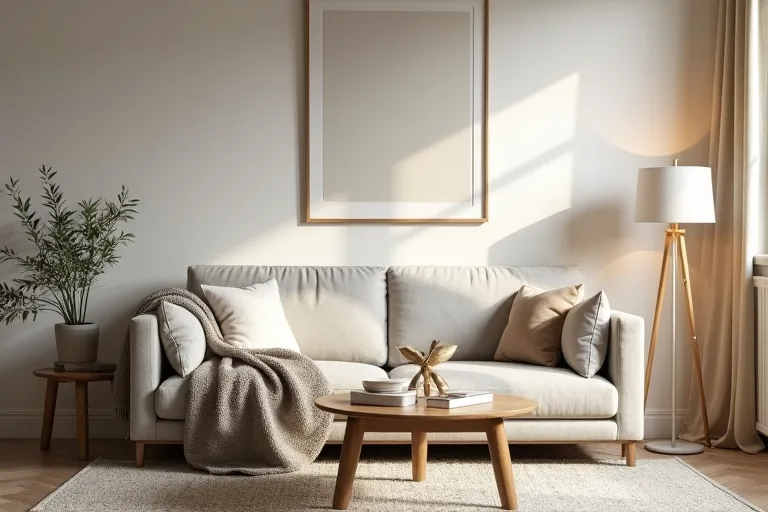
Best next step
If you are still deciding between a few small changes and a larger refresh, plan the room before you buy. A layout tool or budget planner will show whether the real problem is styling, sizing, or circulation, and that makes the next purchase much easier to choose.
- Buying decorative pieces before checking the layout.
- Replacing small items when the room actually needs a better rug size or furniture placement.
- Adding more soft furnishings without fixing bad lighting.
- Choosing wall art or accessories that do not connect to the sofa, rug, and overall color direction.
- Ignoring practical details like a rug pad, which can affect how finished the room feels.
Choose the smallest change that solves the biggest problem. If the room is functional, a budget cozy update is usually enough: better lighting, a stable rug, simple wall art, and a few soft layers. If the room feels cramped, unbalanced, or poorly planned, a bigger refresh is worth it because the issue is layout, not decor.
Helpful next tools and planners
If you want to make the decision easier before you buy
These links are useful when you want a little more clarity on layout, styling direction, or budgeting before you commit to new furniture or finishing pieces.
FAQ
How do I know if my living room only needs a budget update?
If the room already functions well and mainly feels plain, unfinished, or a little cold, smaller updates are usually enough. Focus on lighting, textiles, wall art, and rug placement first.
What should I change first in a cozy living room?
Start with layout, rug size, and lighting. Those decisions affect comfort and flow more than decorative accessories do.
Is it worth buying wall art before I redo the whole room?
Yes, if the room already has a clear direction and the wall needs finishing. Neutral framed art can be a smart low-risk update, especially above a sofa.
When should I plan a bigger refresh instead of styling the room?
Plan a bigger refresh when furniture placement is awkward, the room feels crowded, or several core pieces no longer work together. In that case, layout and sizing should come first.
Three sensible next steps
Some links in this article may be affiliate links. Read more in the Affiliate Disclosure.