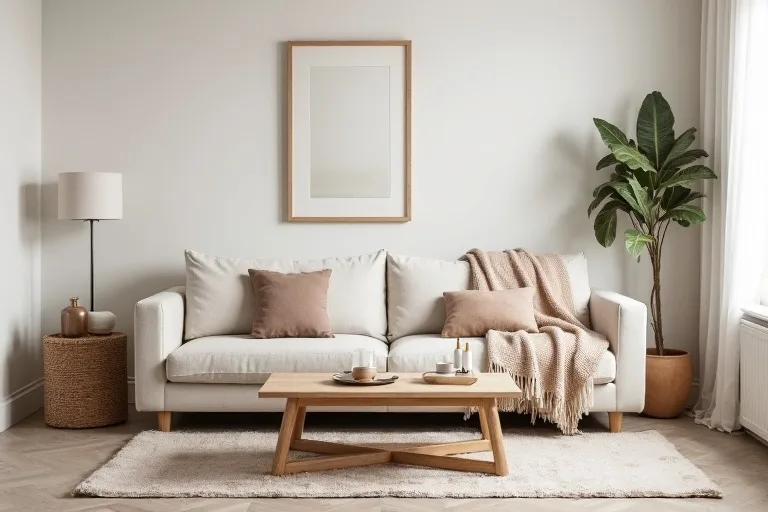
A cozy living room should feel easy to use before it feels pretty. If the room looks warm but still feels off, the problem is often not a lack of decor. It is usually balance, scale, or a few finishing choices that were made too early.
The good news is that you do not need to start over. A calmer room usually comes from better layout decisions, fewer competing focal points, and a handful of details that help everything sit more comfortably together.
Focus on layout, scale, and a few finishing layers—not more furniture. A cozy room feels more balanced when traffic flow is clear, the main seating area has a strong anchor, and soft elements like rugs, pillows, and wall art support the plan instead of competing with it.
Start with layout and visual balance
The fastest way to improve a cozy living room is to check whether the room is carrying too much visual weight on one side. That can happen when the sofa is oversized, the coffee table is too small, or a large wall stays blank while another area is crowded with accessories. A room can have good furniture and still feel unfinished if the scale is uneven.
Begin by looking at the path you actually use every day. If you have to squeeze past a chair, angle around a table, or constantly adjust a rug or ottoman, the room will feel unsettled no matter how carefully you style it. A more balanced room usually starts with cleaner circulation and a seating arrangement that feels intentional.
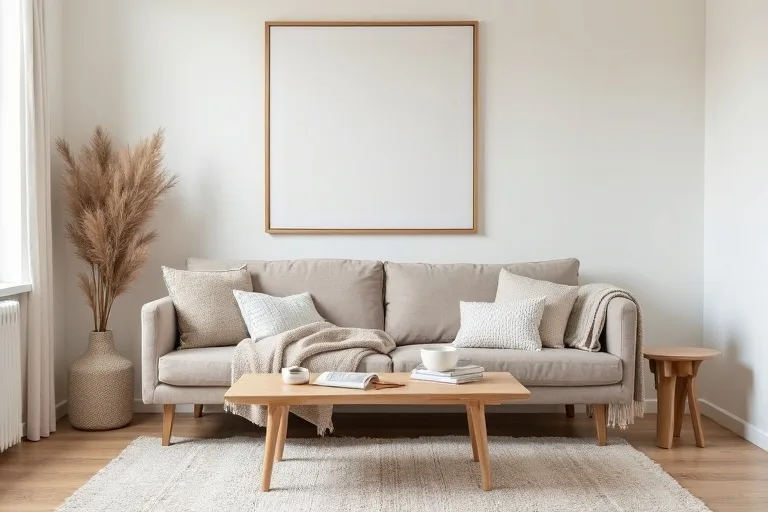
If you are not sure whether the layout is the real issue, step back and look at three things: the largest pieces, the empty space around them, and the areas that pull your eye first. When those three elements are working together, the room usually starts to feel calmer without needing much else.
Ask yourself whether the room needs more decor, or simply a better arrangement. If the sofa, rug, and coffee table are not working as one clear group, more accessories will not fix the problem. In most cases, the real decision is about proportion and flow, not shopping.
Use color and texture to calm the room
Once the layout feels workable, a cozy room benefits from a quieter visual base. That does not mean everything has to match. It means the main surfaces and larger pieces should work together well enough that the room can rest. Neutral or softened tones often help because they reduce contrast and make the room easier to read at a glance.
Texture is what keeps a neutral room from feeling flat. Think in layers: a woven throw over a smooth sofa, a nubby pillow beside a cleaner fabric, or curtains that soften the edges of the room. These are not dramatic changes, but they help the space feel more finished without adding clutter.
- Choose one main fabric or finish to lead the room.
- Add two or three supporting textures that feel different, not busy.
- Keep repeats subtle so the room feels coordinated instead of overly decorated.
This is also where restraint matters. If every surface has a different pattern or color, the room can lose the calm feeling that makes cozy spaces work. A small number of repeated tones tends to feel more settled than a room full of separate styling ideas.
Anchor the room with wall art and rugs
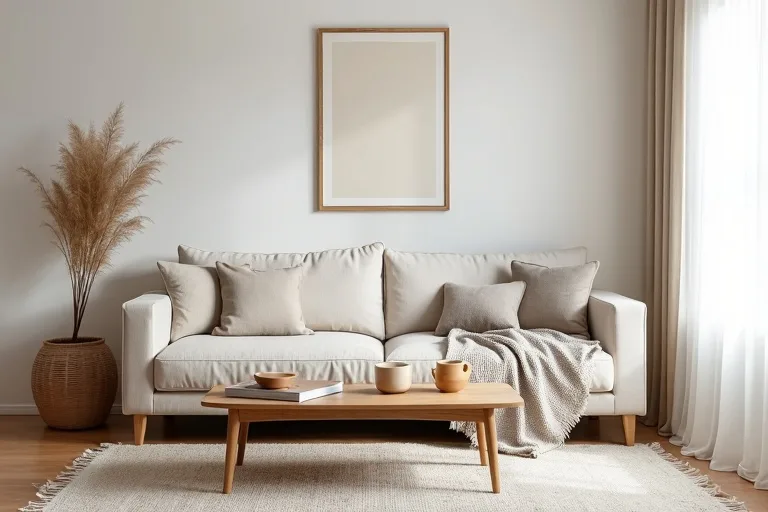
Empty walls and shifting rugs are two of the easiest ways for a cozy living room to feel half-finished. A wall with nothing above the sofa can make the seating area look unresolved, while a rug that slides or sits in the wrong spot can make the whole room feel slightly off every time you walk through it.
For wall art, choose pieces that support the room rather than compete with it. A neutral framed wall art set for living room can be a useful finishing layer when you need structure without a lot of extra color. It works especially well when the room already has enough texture and you want something that quietly pulls the seating area together.
For the floor, the goal is not just comfort. A rug that stays in place helps the room look settled and intentional. If the rug is drifting, curling, or sitting awkwardly under furniture, a non slip rug pad 8×10 can solve a practical problem before it becomes a styling one.
If you are trying to decide whether to change the art or the rug first, choose the one that affects the room’s structure most. Wall art helps define the focal point. A rug pad helps define the footprint. Both can improve the sense of finish, but they solve different problems.
Finish with lighting and the details that make the room hold together
Lighting is often the last thing people adjust, but it has a big effect on whether a living room feels balanced. A room with one harsh overhead source can look flat and less inviting, even if the furniture is arranged well. Softer layers of light help edges disappear a little, which makes the space feel calmer and more complete.
Use lighting to support the room’s main functions: reading, conversation, and evening relaxation. A table lamp beside the sofa, a floor lamp near a darker corner, or a warm bulb in a secondary source can make the whole room feel more settled. You do not need a dramatic lighting plan to get a better result.
Once that is in place, look at the small details that often get ignored. Are the curtain hems visually in the right place? Does the coffee table have enough breathing room? Are the throw blankets adding comfort without taking over the room? These are small decisions, but they are often what separate a cozy room that feels finished from one that still feels temporary.
Best next step
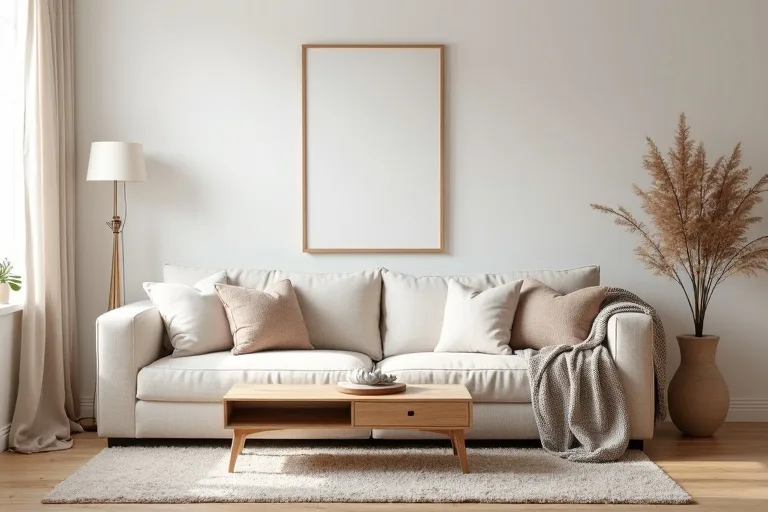
If your room still feels unfinished, the most useful move is to plan before you buy. Start with the room layout, then choose one finishing upgrade that supports the plan instead of distracting from it. That usually saves money and makes each styling decision easier.
- Buying more decor before checking layout and furniture scale.
- Using too many competing finishes, colors, or patterns in one view.
- Choosing a rug that shifts or sits awkwardly under the main seating area.
- Leaving a large wall empty while styling smaller surfaces too heavily.
- Ignoring lighting and expecting pillows or accessories to solve the whole room.
A cozy living room feels more balanced when the room plan is clear, the main pieces are scaled well, and the finishing layers are doing a simple job. Start with flow, then soften the room with texture, anchor it with wall art and a steady rug, and finish with lighting that supports the mood. That order makes the room easier to complete and much easier to live with.
Helpful next tools and planners
If you want to make the decision easier before you buy
These options are most useful after you have checked the layout and decided what the room actually needs. One helps you plan the space, one helps you keep the style direction clear, and one helps you track the budget and buying sequence.
FAQ
How do I know if my living room feels unfinished because of layout or decor?
If the room feels awkward to move through or the furniture sizes look mismatched, it is usually a layout and scale issue first. If the plan works but the room still feels flat, the finishing layers may need attention.
What makes a cozy living room feel more balanced?
Clear circulation, a strong focal point, and a few repeated tones usually do more than adding extra pieces. Balance comes from how the room is arranged and how the visual weight is shared.
Should I buy wall art or a new rug first?
Choose the one that solves the bigger problem. Wall art helps anchor an empty focal wall, while a rug or rug pad helps the seating area feel settled and stay in place.
What should I plan before buying more decor?
Check layout, furniture scale, lighting, and the room’s main color direction first. A simple plan makes each purchase more useful and reduces the chance of buying pieces that do not fit together.
Three sensible next steps
Some links in this article may be affiliate links. Read more in the Affiliate Disclosure.