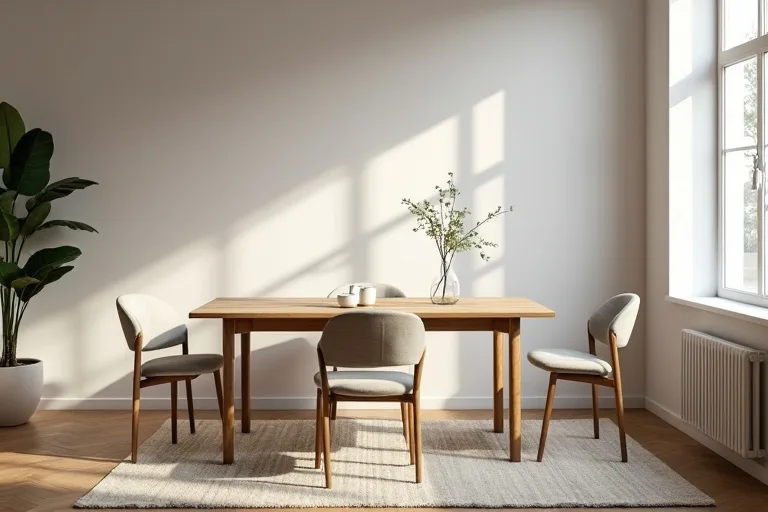
If you are choosing a dining table, it helps to slow down before you start shopping. The right table is not just about style. It is about room size, traffic flow, seating count, and whether the furniture actually works for the way you live.
This checklist keeps the decision simple. Use it to narrow the layout first, then compare tables, chairs, and seating options with a clear plan instead of guessing in the store.
Measure the room first, then choose the table shape, seating count, and clearance that fit your layout. If you are tight on space, a flexible option such as an extendable dining table for small dining room can give you more everyday breathing room without forcing a larger table into the plan.
Start with the room, not the table
The most useful dining table ideas begin with the room itself. Before you look at finishes or chair styles, map out the shape of the space, the main walking paths, and where people need to move when the table is in use.
That means checking more than just the wall-to-wall dimensions. Note where doors swing, how far the table sits from the kitchen, and whether the room has to handle daily passage as well as meals. A table that looks right on paper can still feel wrong if it blocks the route through the space.
For a practical sizing check, use the dining table size calculator before you shop. It is a simple way to confirm whether the layout can support the table you have in mind.

The real decision is not whether a table looks good in isolation. It is whether the room still feels easy to move through once chairs are pulled out, people are seated, and everyday traffic is still passing by.
Match shape and seating to how you eat
Table shape should support the room and the routine. A rectangular table usually suits longer rooms and gives a straightforward seating layout. A round or oval table can feel easier in tighter rooms because it softens corners and sometimes improves movement around the edges.
Then decide how many seats you truly need. Many people shop for the maximum number they might host, but that can lead to a table that feels oversized every day. If most meals are for two or four, plan for that first and treat extra seating as occasional rather than permanent.
- Choose the shape that fits the room shape best.
- Confirm the everyday seat count before you compare products.
- Check whether the room still works when chairs are in use.
- Only then decide if extra leaves or extension pieces are worth it.
If your space needs flexibility, compare fixed and extendable options carefully. An extendable model can be a smart bridge between everyday comfort and hosting needs, especially in smaller rooms where a larger table would crowd the layout.
Choose chairs, benches, and comfort with care
Chairs should not be an afterthought. Seat height, arm height, and chair depth all affect how well the table works in real life. Even a good table can feel awkward if the chairs sit too high, take up too much space, or make it difficult to slide in and out.
In some rooms, benches or mixed seating work better than a full set of matching chairs. A bench may save space on one side of the table and make circulation easier near a wall. Mixed seating can also reduce the visual weight of the dining area when the room is small.
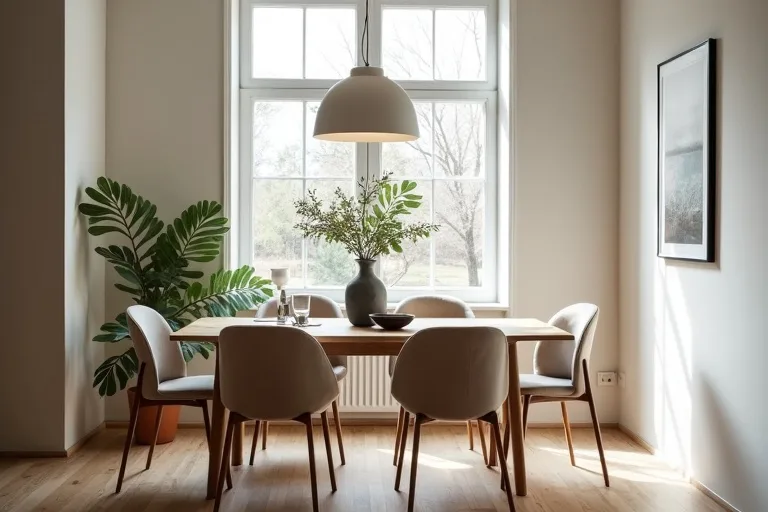
If you want a more comfortable everyday setup, the seating matters as much as the table. A set such as upholstered dining chairs set of 4 can be a useful comparison point when you are balancing comfort with a clean, simple layout.
For readers who like to plan the room before buying, a digital planner can help you keep all the decisions in one place. The Room Makeover Planner, Home Layout Budget Spreadsheet is a practical way to compare layout choices, spending limits, and shopping priorities before the purchase stage.
Set the budget and compare final options
Once the layout makes sense, set a budget that covers the whole dining setup, not just the table. Chairs, delivery, protective pads, and any extra seating pieces can change the total quickly. A clear budget prevents you from choosing a table that leaves no room for the rest of the room to function well.
This is also the point to compare your final shortlist in context. Ask which option gives you the best balance of size, flexibility, comfort, and long-term usefulness. If the room is small, the most sensible choice may be the one that keeps the floor open and makes everyday movement easier.
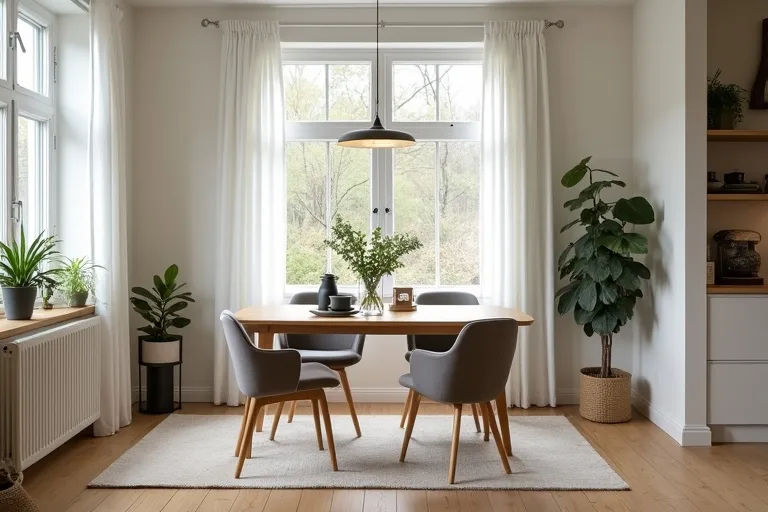
If you are still deciding between nearby options, it can help to step back and look at the broader category on the Kitchen & Dining hub. That gives you related room-planning guides without pushing you into a purchase too early.
Best next step
If you want one clear check before shopping, use the dining table sizing tool first. It helps you confirm whether the table, chairs, and clearance fit the room you actually have.
- Buying the table before checking walking space around it.
- Choosing a shape that fights the room instead of fitting it.
- Counting the maximum guest number instead of the everyday seat count.
- Forgetting that pulled-out chairs need space too.
- Buying chairs that are comfortable but visually or physically too heavy for the room.
- Skipping a budget for the full dining setup, not just the table.
The best dining table choice is the one that suits the room first and the style second. Measure the space, check the flow, decide how many seats you truly need, and only then compare fixed or extendable tables and seating. That order makes the purchase calmer, safer, and much easier to live with.
Helpful next tools and planners
If you want to make the decision easier before you buy
These options are useful when you are moving from planning to purchase. Start with the sizing tool, then compare seating and flexible table options only if they suit your layout.
FAQ
How much space should I leave around a dining table?
You want enough room for chairs to move comfortably and for people to pass through the space without squeezing. The exact fit depends on the room, which is why checking the layout before buying is so important.
Is a round table better for a small dining room?
Sometimes. A round table can feel softer and easier to move around, but the best choice still depends on the room shape and the number of seats you need.
Should I buy chairs before the table?
No. Start with the room and the table size, then choose chairs that work with the final dimensions and the clearance you have left.
When is an extendable table worth it?
It is worth considering when you need a smaller everyday footprint but still want the option to seat more people occasionally.
Three sensible next steps
Some links in this article may be affiliate links. Read more in the Affiliate Disclosure.