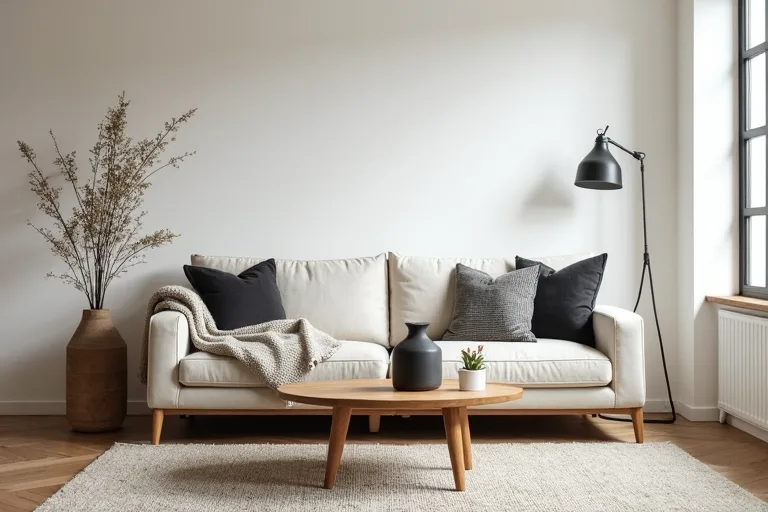
Farmhouse interior design style stays popular because it feels easy to live with. It relies on natural materials, soft neutrals, and simple furniture that supports daily routines rather than fighting them.
The challenge is keeping it calm. Without a clear plan, farmhouse rooms can slide into clutter, heavy rustic details, or a look that feels more themed than functional. This guide keeps the focus on what actually works in real homes.
Farmhouse style is a warm, practical look built on natural textures, simple lines, and neutral colors. The best version feels lived-in and useful, not crowded or overly rustic.
What farmhouse style really means
At its best, farmhouse style is about comfort, clarity, and use. It borrows from traditional country homes, but in modern interiors it is usually cleaner, lighter, and easier to maintain. Think painted wood, soft textiles, sturdy tables, and a relaxed mix of old and new.
What it is not: a room full of signs, distressed surfaces everywhere, or heavy decor that only works in a photo. If the space feels busy before you even sit down, it has gone too far.
For a farmhouse room to feel right, the structure of the space matters first. Start with the layout, the natural light, and the main pieces of furniture. Then layer in style.
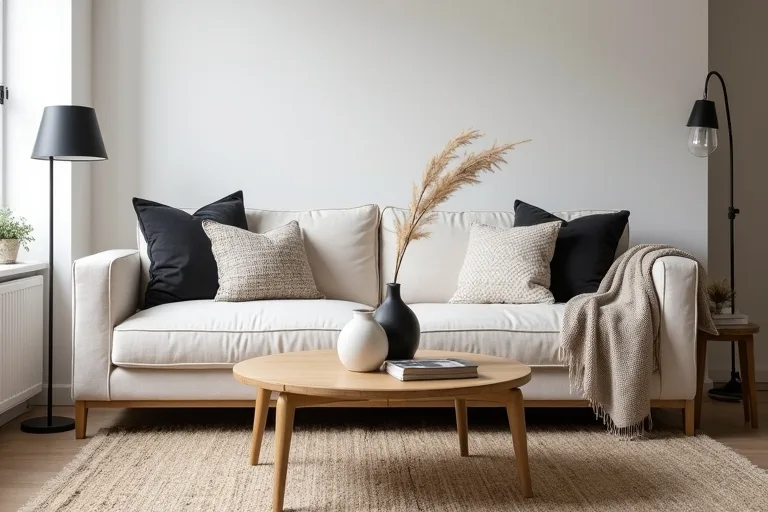
If a room only looks farmhouse after adding lots of accessories, the base is probably wrong. A better result usually comes from the right sofa size, a sensible table shape, and a restrained color palette before styling begins.
Core elements that make it work
Farmhouse style depends on a few repeating choices. You do not need everything at once. In fact, the look is usually better when each element is simple and consistent.
- Color: Start with warm whites, soft beige, muted gray, or gentle taupe. Strong contrast can work, but it should stay controlled.
- Materials: Wood, linen, cotton, ceramic, iron, and stone all fit naturally. The point is texture, not shine.
- Furniture: Choose pieces that feel sturdy and honest. Simple profiles, visible legs, and practical storage usually suit the style better than ornate shapes.
- Finishes: Matte or softly worn finishes tend to look more authentic than polished surfaces.
When in doubt, choose fewer things with better presence. A plain wood table, a neutral throw, and a few well-scaled accessories usually do more than a crowded shelf.

How to style each room without making it busy
Farmhouse style changes a little depending on the room, but the same rules still apply: keep the bones practical, then layer in softness.
Living room: Use a comfortable sofa in a light neutral tone, a wood coffee table, and a rug with texture rather than pattern. Keep accessories edited. One ceramic vase set, a lamp, and a throw blanket are often enough.
Kitchen: Favor clean cabinet fronts, open surfaces, and storage that can handle real use. Wood stools, simple hardware, and ceramics work well, but avoid filling every shelf.
Bedroom: The style should feel softer here. Linen bedding, a neutral blanket, and a few natural materials are enough. The room should still read as restful, not themed.
If you are planning a living room in particular, the layout should lead the decision. A farmhouse look cannot rescue a sofa that is too large or a table that blocks the path. For room ideas that support better scale and flow, see Living Room Ideas.
How to finish the look well
The finishing layer is where farmhouse style either settles into place or becomes cluttered. A few controlled choices usually give the best result.
Textiles matter most. A neutral throw blanket on the sofa adds softness without visual noise. Ceramics also suit the style because they bring shape and texture without feeling glossy or formal. The goal is to repeat a few materials quietly across the room.
If you want a simple finishing touch, consider a ceramic vase set neutral home decor for a console, shelf, or dining table, and a neutral throw blanket for sofa or bed to soften the main seating or sleeping area. These are small additions, but they work best after the room plan is clear.
Before you buy, it helps to map the room properly. If you are unsure about sofa placement, traffic flow, or whether the space can handle another piece, use a planning tool first. A well-sized room feels more farmhouse than a room filled with the right objects in the wrong arrangement.
Best next step
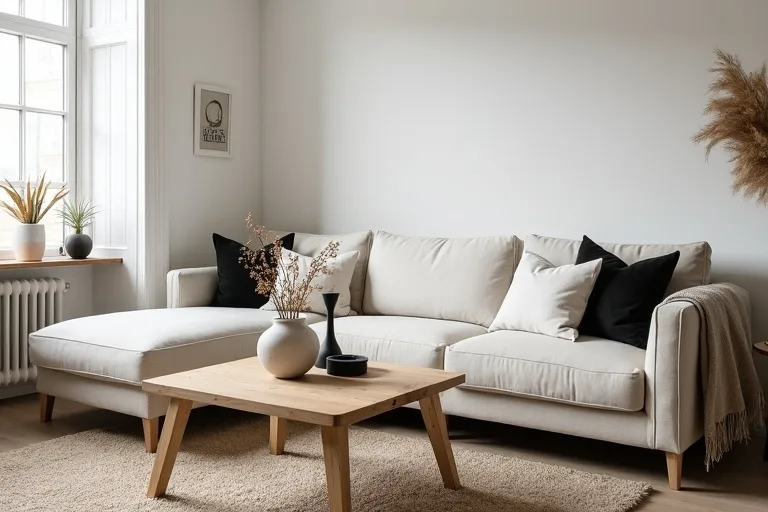
Before you buy farmhouse pieces, check your room plan and scale. If you are updating a living room, start with layout and sizing so the style supports the space instead of crowding it.
- Using too many rustic accents at once and losing the calm feel.
- Choosing bulky furniture that makes the room feel heavy.
- Mixing too many whites, woods, and finishes without a clear palette.
- Styling shelves and surfaces until the room feels crowded.
- Buying decor before checking layout, scale, and traffic flow.
Farmhouse interior design style works best when it stays simple, warm, and practical. Build the room around good proportions, natural textures, and a neutral base, then add only a few finishing pieces that support daily use. If you want a calmer result, plan the room first and shop second.
Helpful next tools and planners
If you want to make the decision easier before you buy
A small planning step can save money and prevent the usual farmhouse mistake: buying pieces that look right on their own but do not suit the room together. These options are useful if you want to map the space, budget the changes, or finish the room with restrained details.
FAQ
Is farmhouse style still a good choice for modern homes?
Yes, if you keep it simple. The modern version works well when the room uses clean lines, calm colors, and a limited number of rustic details.
What colors work best in farmhouse interiors?
Warm whites, soft beige, muted gray, taupe, and gentle earth tones are the easiest place to start. They help the room feel relaxed rather than busy.
Can farmhouse style work in a small room?
Yes, but scale matters. Use fewer, better-sized pieces and avoid heavy decor so the room does not feel crowded.
What is the easiest way to finish a farmhouse room?
Start with texture. A neutral throw, ceramic decor, natural wood, and one or two practical accent pieces usually complete the look without overdoing it.
Three sensible next steps
Some links in this article may be affiliate links. Read more in the Affiliate Disclosure.