
Farmhouse style can be done with a light touch or with more considered investment, and both can work. The difference is usually not about how much decor you own. It is about whether the room has a clear layout, the right scale, and a few finishing pieces that make the space feel settled.
If you are trying to decide where to save and where to spend, it helps to separate the look from the room plan. Once that is clear, farmhouse becomes much easier to style without wasting money on the wrong items.
Start with layout, paint, and a few neutral finishing pieces; spend more only on the items that shape the room’s function and feel.
What farmhouse style needs to feel right
At its best, farmhouse style feels calm, practical, and lived-in. It does not rely on lots of decor. It relies on a room that feels easy to use, with simple materials, warm contrasts, and enough visual softness to keep the space from feeling stark.
The budget version can still look convincing if the basics are right. White or soft off-white walls, natural wood tones, one or two grounded textiles, and a limited color palette often do more for the style than a room full of themed accessories.
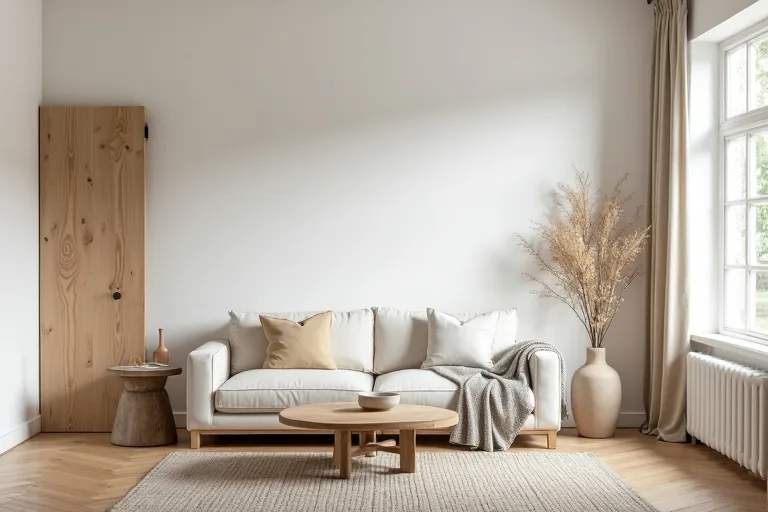
If the room already has the right proportions and flow, you can keep the spending modest. If it feels crowded, dark, or awkward to use, the better investment is usually in the layout and the larger pieces before you buy decor.
Where a bigger investment changes the room most
A higher budget tends to show up in the parts of the room you use every day. That usually means better furniture scale, more considered lighting, and finishes that hold the room together quietly rather than competing with it.
These are the areas where the difference is easiest to notice:
- Furniture scale: A sofa, dining table, or storage piece that fits the room properly will make farmhouse style look more settled.
- Lighting: Layered lighting helps the room feel warm instead of flat, especially in a simple palette.
- Flooring and wall finish: If these are already in good shape, the room is easier to style on a smaller budget.
- Built-in function: Storage, seating, and circulation matter more than extra decorative objects.
When those elements are handled well, the room does not need much embellishment. A few neutral accessories can finish the space without making it feel overdone.
What to spend on first and what can stay affordable
If you are working with a tighter budget, put your money into the pieces that change how the room works and how it reads at a glance. That usually means paint, lighting, and one or two main furniture choices. After that, use lower-cost decor to refine the look.
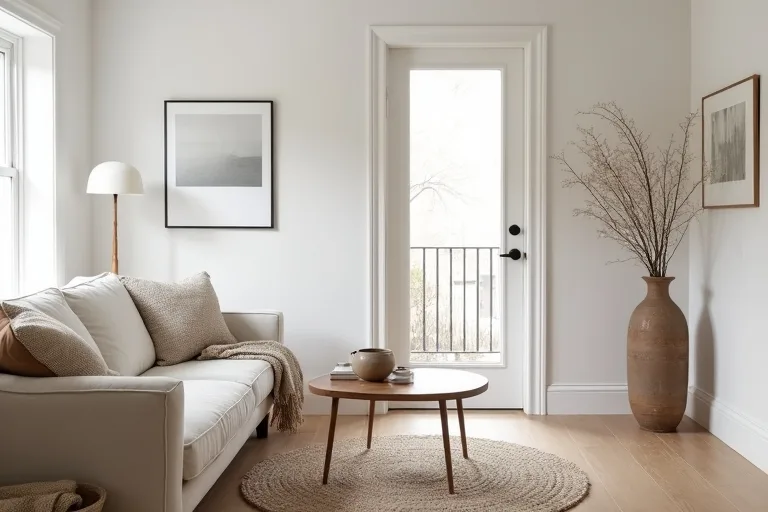
Farmhouse style is forgiving when accessories are simple. A neutral throw blanket for sofa or bed can soften the room without taking over. A ceramic vase set neutral home decor can add shape and texture without making the space feel busy.
A simple order of priorities usually works better than shopping room by room:
- Confirm the room layout and the furniture size you actually need.
- Choose a calm wall color and keep the palette restrained.
- Pick the main functional pieces first.
- Add textiles and accessories only after the room feels balanced.
This is also where a planning tool can save money. When the layout is clear first, you are less likely to buy pieces that look right online but feel wrong in the room.
Simple finish choices that keep the style calm
The easiest farmhouse rooms usually share the same discipline: they do not mix too many finishes, colors, or decorative ideas. The style feels calmer when the room repeats a few materials and keeps the contrast gentle.
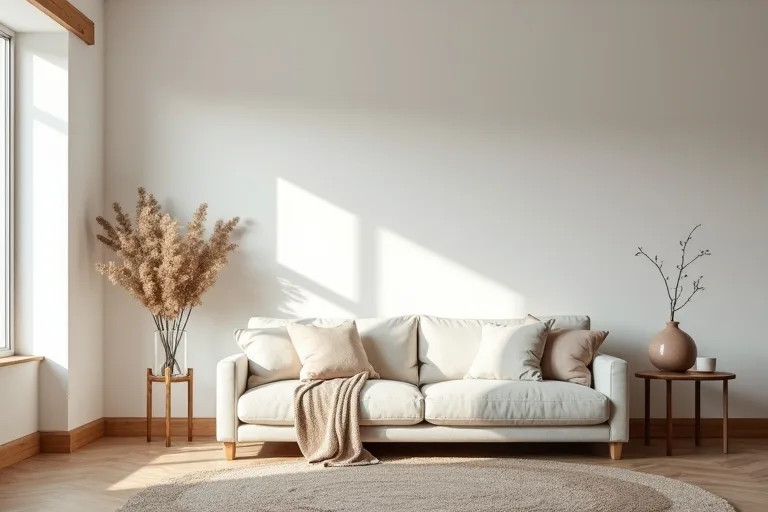
That does not mean the room has to be plain. It means the details should support the main decisions. A soft throw, a simple vase, natural wood, and a little negative space often do more than shelves full of small objects. If you want the room to feel styled rather than staged, stop before every surface is filled.
For a practical finishing layer, keep decor grouped and limited. One cushion set, one throw, and a ceramic accent on a side table are often enough to bring the room into focus.
Best next step
Before you buy anything else, confirm your room direction and budget split. A quick planning step now can help you avoid overspending on decor that does not solve the real layout problem.
- Buying decor before the furniture scale is settled.
- Using too many rustic finishes at once, which makes the room feel busy.
- Choosing a farmhouse theme instead of a practical layout.
- Spending on accessories while the walls, lighting, or storage still feel unresolved.
- Mixing too many wood tones or whites without a clear plan.
Farmhouse style does not need a large budget to work. Spend first on layout, scale, and the pieces the room relies on every day. Keep decor simple, repeat calm finishes, and use neutral textiles to finish the space. If you are unsure where to start, confirm the plan before shopping so each purchase supports the room instead of competing with it.
Helpful next tools and planners
If you want to make the decision easier before you buy
A planning tool can help you separate the must-haves from the nice-to-haves, especially if you are styling a farmhouse room on a budget and want a calmer shopping list.
FAQ
Is farmhouse style expensive to do well?
Not necessarily. It becomes expensive when you buy too many decorative pieces before the room layout, furniture size, and paint choices are clear.
What should I spend more on in a farmhouse room?
Spend more on the items that carry daily use and shape the room’s feel, such as the sofa, lighting, storage, or main table.
What can stay budget-friendly?
Decor, throw blankets, vases, and other finishing pieces can usually stay affordable as long as the room already has a strong base.
How do I keep farmhouse style from looking unfinished?
Keep the palette simple, repeat a few materials, and make sure the room has enough lighting, balance, and negative space.
Three sensible next steps
Some links in this article may be affiliate links. Read more in the Affiliate Disclosure.