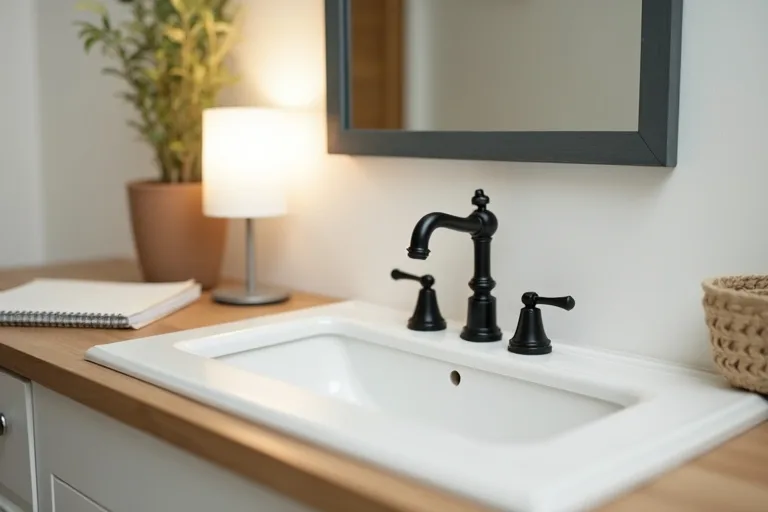
Fixture upgrades are one of the easiest ways to make a room feel more current without taking on a full remodel. The key is not buying more things first, but deciding which details will actually improve daily use and visual calm.
If you plan the changes in the right order, a small budget can go further than expected. A better pull, a clearer light source, or a more useful vanity fixture can change how the room feels every day, especially in kitchens and bathrooms.
Start with the fixtures that affect daily use most and give the biggest visual change for the lowest cost.
What counts as a fixture upgrade
A fixture upgrade is any change that improves a room’s function, finish, or lighting without rebuilding the space. In practical terms, that can mean swapping cabinet hardware, updating a vanity light, replacing a dated faucet, or changing other high-touch details that you notice every day.
These updates work best when the room already functions well but feels tired, unfinished, or poorly lit. If the layout is sound, fixture planning can give you a cleaner result without the cost or disruption of a larger project.
For a kitchen or bath refresh, it often helps to look at the room as a sequence of decisions. First, decide what stays. Then identify the fixtures that are most visible, most used, or most frustrating. After that, compare the cost and effort of changing them one by one.
In a bathroom, a better light and simpler hardware can make the room feel more intentional. In a kitchen, matching pulls or knobs can quietly tidy up the entire run of cabinets. If you are deciding what belongs in each space, it can help to compare ideas on the bathroom ideas and kitchen & dining pages before you buy.
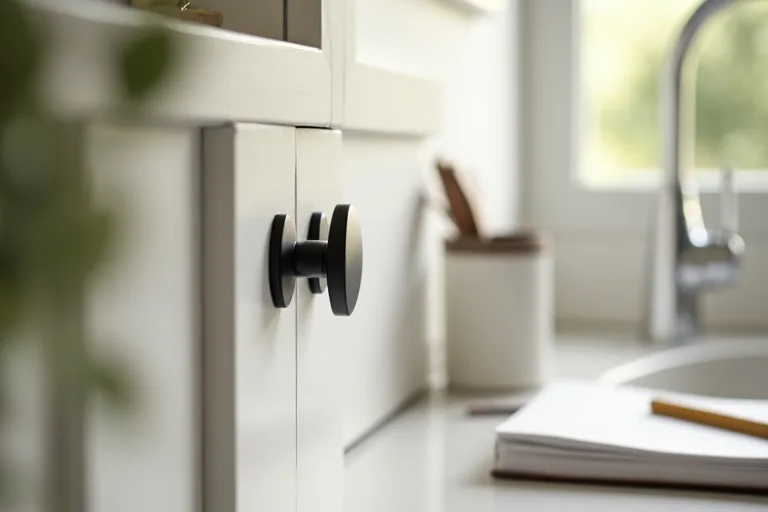
The real decision is not whether a fixture looks better online. It is whether the change improves the room enough to justify the cost, the install effort, and any extra work it creates. A small upgrade that solves a daily annoyance usually beats a bigger change that only looks impressive.
Which fixtures make the biggest impact first
Not every fixture deserves equal attention. The best first upgrades are usually the ones that are easy to see, easy to use, and easy to swap without affecting the structure of the room.
- Lighting: If a bathroom or kitchen feels dim, outdated, or harsh, lighting often deserves priority. A modern LED vanity light fixture in a bathroom can make the room feel brighter and more finished right away.
- Hardware: Cabinet pulls and knobs are small, but they create a strong visual pattern. Updating them can make a dated vanity or cabinet run feel more intentional with very little disruption.
- Faucets and taps: When the finish is worn or the shape feels out of place, a faucet change can bring the room closer to the rest of your plan.
- Mirror, trim, or accessory details: These matter more when the room already has decent lighting and hardware, but they can help finish the update.
For a fast refresh, hardware and lighting are often the most efficient place to begin. They affect what you see every day, and they usually do not require the same level of planning as tile, countertops, or plumbing changes.
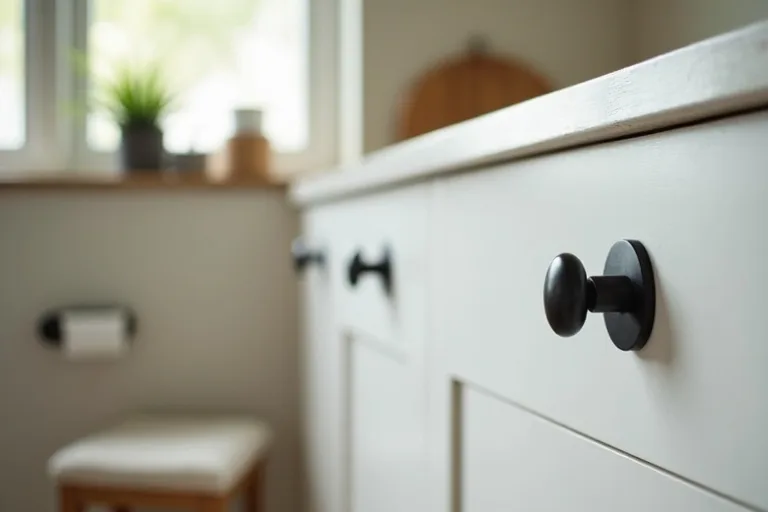
If your goal is a calmer, more consistent finish, a set of matching cabinet hardware can be a straightforward place to start. The matte black cabinet hardware pulls 30 pack is the kind of basic, practical update that can help a room feel more unified when the cabinet layout is already working.
How to prioritize by room and budget
The easiest way to budget fixture upgrades is to rank them by impact, cost, and difficulty. That keeps the plan realistic and helps you avoid spending on small items before the larger decision is made.
A simple order of operations works well for most rooms:
- Fix what affects daily use first. Poor light, awkward handles, or worn hardware should usually come before decorative changes.
- Match the most visible pieces. If the room has mixed finishes or inconsistent styles, bring the most noticeable items into alignment.
- Hold back on anything that may trigger extra work. A fixture that looks affordable can become expensive if it needs electrical, plumbing, or patching work.
- Leave room for small overruns. Even a simple refresh benefits from a buffer for missing parts, tools, or installation help.
Budget planning matters because fixture choices often overlap. A light fixture may influence the mirror, and new hardware may change the look of the whole vanity or cabinet run. When you compare options on paper first, you can see which changes work together and which ones should wait.
If you want a steadier way to track the costs and compare choices, the Home Renovation Budget Planner Spreadsheet is a useful companion before shopping. It works well for listing fixtures, estimating total spend, and keeping the refresh tied to a real budget rather than impulse buying.
For rooms that need more than a surface update, it can also help to use a room-specific lens. A bathroom update may need different priorities than a kitchen update, even when the fixtures are both small.
What to buy, what to keep, and what to plan next
Once you know your priority list, the goal is to avoid overbuying. It is easy to shop for individual pieces before you know whether the room needs a simple refresh or a more complete replacement.
Keep the existing fixture when it still works, fits the room, and does not create a visual problem. Replace it when the finish is worn, the scale feels off, or the room would clearly benefit from a cleaner, more consistent look.
In many cases, the smartest path is to pair one visible upgrade with one practical upgrade. For example, new cabinet hardware can support a new vanity light, or a better light can make updated finishes feel more successful. That combination often gives the room a more finished result without opening up a much larger project.
If you are still deciding whether the next step is a refresh or a bigger change, look at the room as a whole rather than item by item. Layout, function, and budget should lead the decision. Style is the last layer, not the first.
Best next step
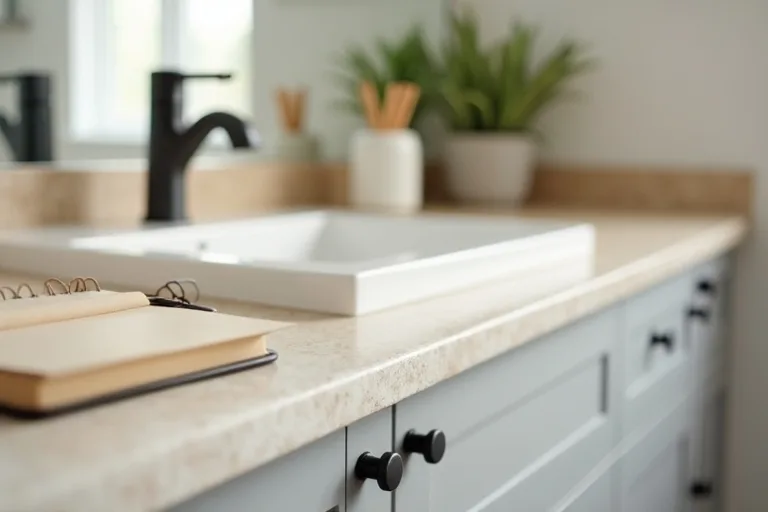
If you are planning a refresh, the safest move is to organize the full fixture list before you shop. That gives you a cleaner view of what each change costs, what can wait, and where one upgrade supports another.
- Buying fixtures before deciding which room problem you are trying to solve.
- Choosing style first and then discovering the size, finish, or install cost does not fit the plan.
- Replacing small items while ignoring the one fixture that affects the room most.
- Forgetting to leave a buffer for hardware, electrical work, or other hidden costs.
- Mixing too many finishes, which can make a simple refresh feel less calm.
Fixture upgrade planning works best when you start with the fixtures that affect daily use and create the biggest visual change for the least money. Keep the plan simple, compare the tradeoffs before you buy, and let the room’s actual needs guide the order. A small, well-timed refresh can do a lot more than a scattered shopping list.
Helpful next tools and planners
If you want to make the decision easier before you buy
These options are most useful after you have a clear plan. One helps you track the budget, and the others support the kind of fixtures that often lead a fast room refresh.
FAQ
How do I know which fixture to upgrade first?
Start with the fixture that affects daily use the most or changes the room’s appearance the fastest. In many bathrooms and kitchens, that is lighting or cabinet hardware.
Is it better to replace everything at once?
Not usually. Replacing everything can be more expensive and harder to manage. A staged approach is often calmer and easier to budget.
What makes a fixture upgrade worth it?
A fixture upgrade is worth it when it solves a real problem, improves the room’s finish, or supports the rest of your plan without creating extra work.
Should I plan the budget before shopping?
Yes. A clear budget helps you compare finish, quality, and installation needs before you commit to products that may not fit the full plan.
Three sensible next steps
Some links in this article may be affiliate links. Read more in the Affiliate Disclosure.