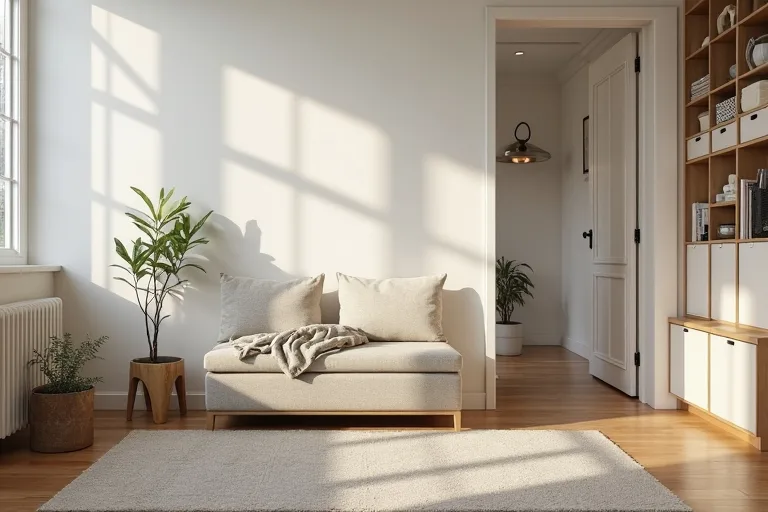
Hidden storage furniture is one of the simplest ways to make a small room feel easier to live in. It gives you somewhere to put the things that usually end up on surfaces, floors, and chair backs, without asking the room to do more visually than it can handle.
The key is to choose storage that works with the layout, not against it. A good piece should fit the room, support the way you use it, and quietly solve a specific problem instead of adding another bulky object to manage.
Hidden storage furniture adds storage without adding clutter or taking up extra visual space.
What hidden storage furniture actually solves in a small space
Hidden storage furniture works best when the room needs more function but does not have room for more visible items. That includes homes where closets are limited, surfaces collect clutter quickly, or a room has to do more than one job.
Unlike open shelving or separate storage boxes, hidden storage furniture combines two roles in one piece. A bench can act as seating and storage. An ottoman can work as a footrest, extra perch, and place for blankets. A bed frame with drawers can free up closet space. A cube organizer can hold daily-use items while still looking orderly when the bins are matched well.
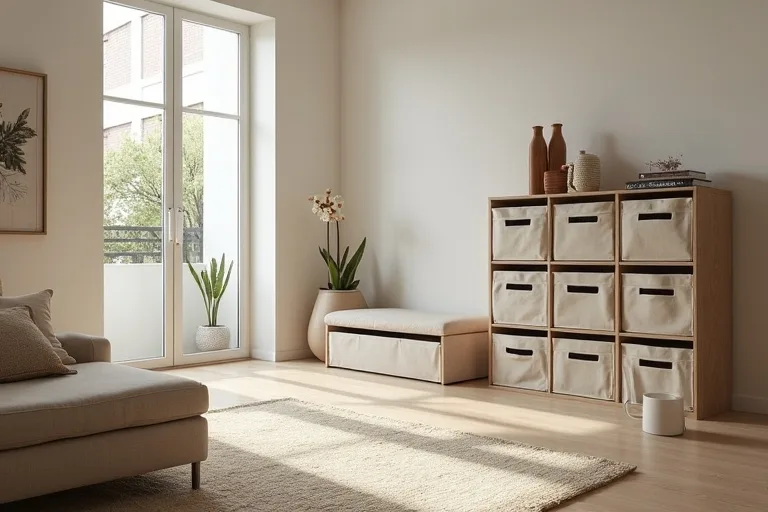
The most useful pieces are the ones that solve a real pattern in the room. If the entry fills up with shoes and bags, a lift-top bench may help more than a decorative side table. If living-room blankets and board games keep drifting across the floor, an ottoman or cube system may be the better fix.
The real decision is not whether a piece has storage. It is whether the storage helps the room stay clear without making movement, seating, or access feel awkward. If you have to squeeze around it, lift it too often, or hide it because it looks heavy, it is probably too much piece for the space.
How to choose hidden storage furniture that fits the room
Before buying, decide what the piece needs to do every day. A storage ottoman used in front of a sofa has different requirements from a storage bench at the door or a cube organizer in a bedroom corner. The right choice depends on size, access, and how often you need what is inside.
A simple way to narrow it down is to think through these points:
- Measure the floor space first, including walking paths and door swing.
- Check the height next so the piece works with the sofa, bed, or window line.
- Decide whether you need open access, lift-top access, or drawers.
- Choose a shape that matches the room’s traffic, not just the available gap.
- Pick a finish or bin style that blends in enough to stay visually calm.
If you are unsure about fit, start with layout before product choice. The Room Layout Planner is the most useful next step if you want to check flow before spending money. You can also compare furniture scale with the Sofa Size Calculator when the new piece has to work near a seating area.
What to store in each type of hidden storage furniture
Different storage furniture works better for different kinds of items. The goal is not to hide everything. It is to give each category of clutter the most practical home possible.
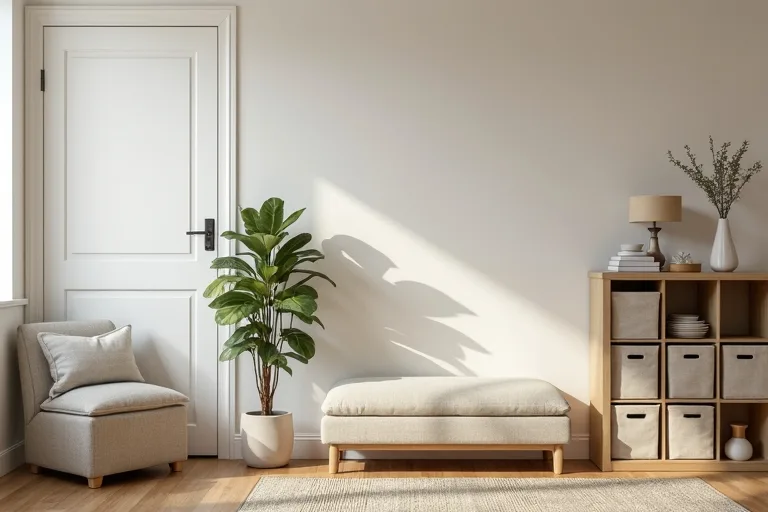
Storage ottomans are usually best for soft, light items such as throws, cushions, seasonal accessories, or spare blankets. Benches with lift tops are useful for shoes, bags, pet items, or entryway clutter that needs to stay easy to reach. Beds with drawers can be a strong choice for spare linens, off-season clothing, or items that do not need daily access.
Cube organizers are often the easiest option when you want visible order without a heavy piece of furniture. They work especially well with fabric bins because each cube can hold a category: toys, paper goods, cables, craft supplies, or everyday household overflow. If you want a practical setup, an 8 cube storage organizer paired with a fabric storage bins set for cube organizer can create a cleaner look than mixed baskets or open piles.
For people mapping a room before buying, a small digital planner can also help clarify how much storage the layout really needs. The Small Space Furniture Planner, Room Layout Spreadsheet (Digital Download) is a practical option if you like working through spacing and furniture decisions in one place.
Where hidden storage furniture works best
Placement matters as much as the piece itself. In a bedroom, hidden storage often works best at the foot of the bed, under the bed, or beside the wardrobe where it can replace a separate bin or extra chest. In a living room, an ottoman or storage coffee table can reduce the need for side tables or basket clutter. In an entryway, a bench with storage helps create a landing spot for shoes, bags, and the things that tend to pile up first.
The most effective placements are the ones that support movement. Keep storage furniture where it can be used without blocking doors, narrowing a passage, or interrupting the natural route through the room. If a piece only works when the room is perfectly tidy, it is probably too fragile a solution for everyday life.
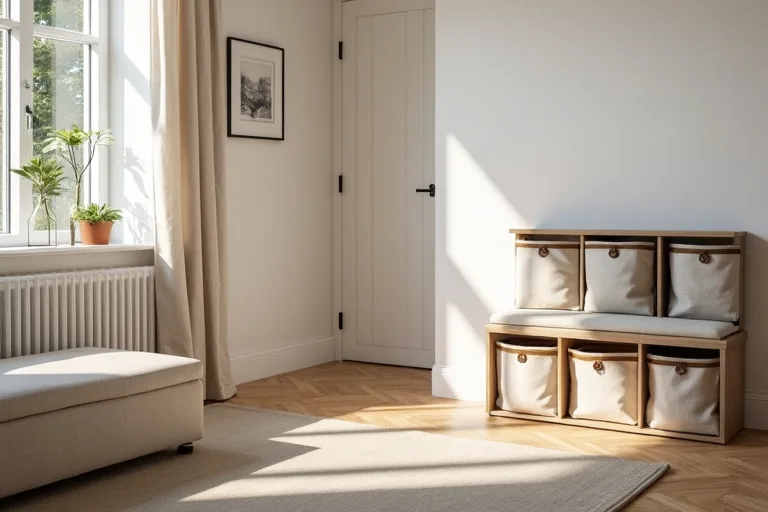
When you are deciding between two similar options, choose the one that helps the room stay easy to move through. Small spaces usually feel better when storage is integrated into the plan instead of added as an afterthought.
Best next step
Before you buy hidden storage furniture, check the layout first. A piece that looks perfect in a shop can feel oversized at home if it interrupts walking space or sits too close to another large item. Planning the room makes the choice easier and usually saves you from replacing something later.
- Buying storage before measuring the full footprint, including door swing and circulation space.
- Choosing a piece that stores a lot but makes the room feel tighter.
- Using open cube storage for items that need to stay hidden and visually calm.
- Mixing too many storage styles in one room, which can make the space feel busy.
- Forgetting that lids, drawers, and bench tops need clearance to open comfortably.
Hidden storage furniture is most useful when it solves one specific problem without crowding the room. Start with layout, then choose the storage type that matches how you actually use the space. A calm small room usually comes from fewer visible objects, better placement, and furniture that earns its footprint.
Helpful next tools and planners
If you want to make the decision easier before you buy
These options are most useful when you are trying to compare storage styles, check fit, or set up a simple system for a small room. Start with planning, then move to the storage piece that fits the job.
FAQ
Is hidden storage furniture good for very small rooms?
Yes, if the piece replaces something you would otherwise need anyway. The best small-room choices solve storage and seating, or storage and surface space, in one footprint.
Should I choose closed storage or open cube storage?
Choose closed storage when you want the room to look quieter and less busy. Choose cube storage when you need flexible organization and can keep the bins tidy.
What is the easiest hidden storage piece to start with?
A storage ottoman or storage bench is often the easiest first step because it has a clear job and usually fits into an existing seating or entryway setup.
Do I need to plan the room before buying storage furniture?
It helps a lot. A quick layout check can prevent pieces that block movement, crowd a sofa, or look oversized once they arrive.
Three sensible next steps
Some links in this article may be affiliate links. Read more in the Affiliate Disclosure.