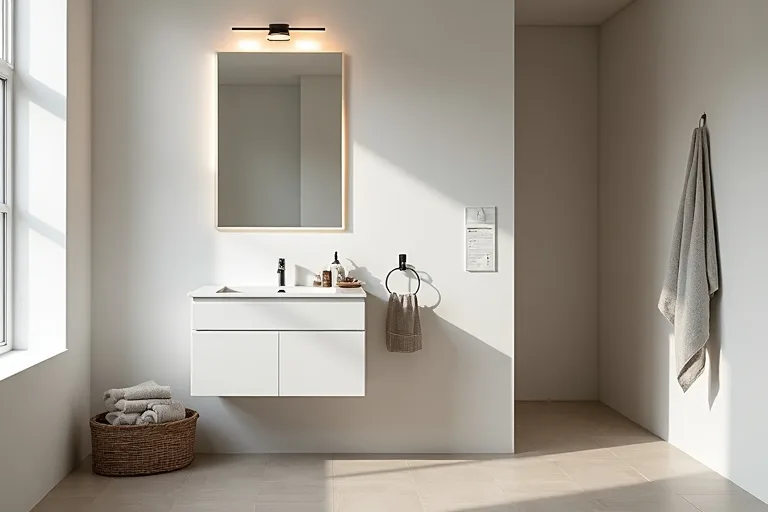
When a bathroom starts to feel tired, the hard part is not finding things to change. It is deciding which change will actually be seen every day, and which one will quietly use up the budget without improving the room much.
The clearest place to start is the bathroom’s most visible lighting zone: the vanity area. From there, you can compare upgrades by cost, function, and visual return, so the plan feels steady instead of reactive.
Start with the bathroom’s most visible lighting zone, then compare upgrades by cost and impact before spending. In most bathrooms, a better vanity light, fresh paint, and simple fixture updates will deliver more noticeable improvement than work hidden behind walls.
Start with the vanity area, because that is where the room reads fastest
The vanity wall usually carries the most visual weight in a bathroom. It is the first place you notice lighting quality, mirror scale, faucet style, and whether the finishes feel coordinated. If the room has limited money for updates, that is the zone that deserves attention first.
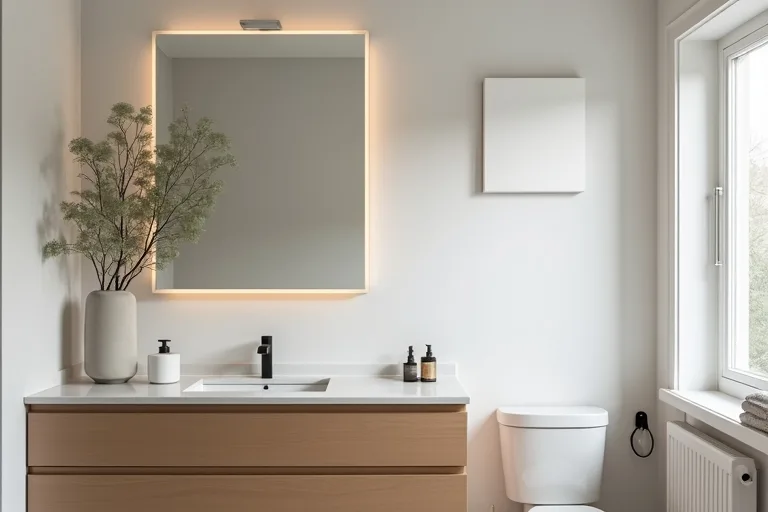
A modest change here can make the whole room feel more intentional. An updated LED vanity light fixture, a cleaner mirror shape, or a smaller shift in hardware often does more for the room than replacing parts that are less visible.
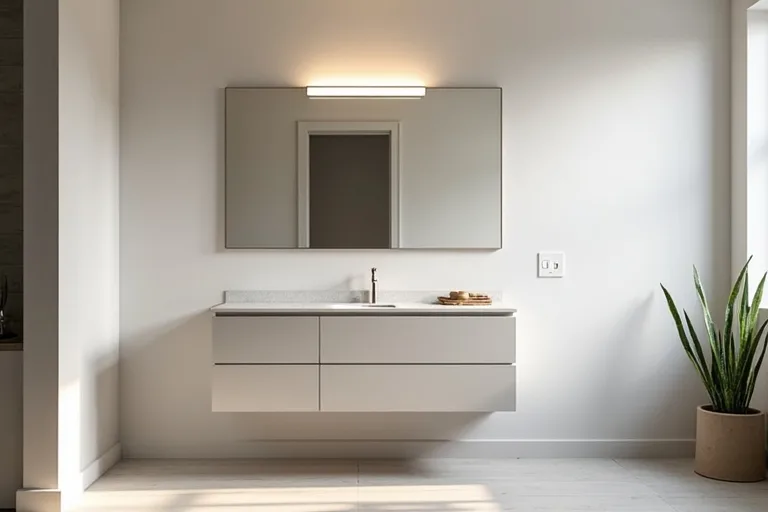
If you are comparing options, think in this order: visibility first, function second, then cost. That keeps the budget focused on what changes the room’s daily feel rather than on upgrades that are technically useful but hard to notice.
If a change will be seen every time you use the sink, it is usually a stronger candidate than a change tucked away behind a panel, inside a wall, or under a surface. That is why lighting, mirror choice, and simple hardware updates are often better first dollars than more disruptive work.
Choose the right upgrade for your spending level
Not every budget needs the same kind of improvement. The goal is to match the project to the amount you actually want to spend, then avoid drifting into heavier work before the visible basics are covered.
Here is a simple way to think about it:
- Low budget: Focus on paint, lighting, hardware, and small styling corrections that improve the room quickly.
- Mid budget: Add a mirror update, a better vanity light, and selected fixture swaps that make the room feel more finished.
- Higher budget: Reserve money for broader changes only after the visible zone is resolved and the room still feels limited.
At the low end, even a room with older finishes can look calmer if the light is better and the walls are fresher. At the mid range, the bathroom often benefits from a more coordinated set of updates rather than one dramatic replacement. At the higher end, the risk is overcommitting to hidden work before confirming that the room’s everyday presentation is the real problem.
Spend first on what improves the room without creating new uncertainty
Some projects are easy to value because the result is immediate. Others are expensive but hard to judge until the work is done. When you are planning a bathroom on a budget, that difference matters.
These upgrades tend to give clearer returns before larger remodel decisions:
- Paint: freshens the room fast and can soften the look of older fixtures.
- Lighting: improves the vanity area, which shapes how the whole bathroom feels.
- Hardware: gives the room a more finished appearance with a relatively small spend.
- Mirror changes: can improve proportion and make the vanity wall feel more intentional.
If you need to estimate how much room is left in the budget after a few upgrades, use the bathroom remodel cost estimator before buying. It is easier to stay calm about the project when you can see the tradeoffs clearly.
For paint-related decisions, the paint calculator can help you size the job more accurately and avoid buying far more than you need.
When the vanity area is the main target, the right light often matters more than a bigger list of changes. If you are comparing products, a LED vanity light fixture bathroom search is a practical place to start because it keeps the decision centered on the room’s most visible lighting zone.
Use a simple planning order so the budget does not drift
A calm bathroom plan usually follows a clear sequence. First decide what the room needs to look better. Then confirm what it needs to function better. Only after that should you compare finishes, products, and tools.
For a small upgrade plan, this order works well:
- Identify the most visible problem area.
- Check whether lighting, paint, or hardware would fix most of it.
- Measure before buying so you do not over-order or choose the wrong size.
- Set a ceiling for the spend before adding extras.
That last step matters more than it sounds. A project usually runs past budget when a few small decisions are made without a total plan. A simple spreadsheet can help keep those choices visible from the start, especially if you are comparing several low-cost options against one larger change.
If you prefer to organize the whole project in one place, the Home Renovation Budget Planner Spreadsheet (Google Sheets, Excel) is a straightforward option for tracking buys, allowances, and decision points. For measuring the room or fixture sizes before you commit, a laser measure tool for home projects can make the planning stage simpler.
Best next step
If you are deciding between a few upgrade ideas, use the bathroom remodel cost estimator first so you can compare the options against your real budget before purchasing. Then move to paint or measurement planning to keep the project sized correctly.
- Spending on hidden work before fixing the room’s most visible area.
- Choosing finishes before confirming the budget ceiling.
- Replacing several items at once without a clear priority order.
- Buying lighting or mirrors without checking scale and fit first.
- Letting a small update turn into a partial remodel without planning for it.
The smartest low-cost bathroom upgrades are the ones you can see immediately, and the vanity lighting zone usually comes first. If you rank changes by visibility, function, and cost, it becomes much easier to decide whether to stay small, move to a mid-range refresh, or wait for a fuller remodel.
Helpful next tools and planners
If you want to make the decision easier before you buy
These tools and planners fit the planning stage, when it helps to compare costs, check measurements, and keep the budget under control before shopping.
FAQ
What bathroom upgrade usually gives the biggest visual return first?
The vanity lighting zone is often the strongest first move because it affects how the sink area, mirror, and finishes are seen every day.
Should I paint before replacing fixtures?
Usually yes, if the room needs a cleaner backdrop. Paint can make older elements look more intentional and help you avoid unnecessary replacement.
How do I stop a small bathroom update from becoming a larger remodel?
Set a budget ceiling early, decide on the top priority, and measure before shopping. That keeps the plan focused.
What should I plan first if I have a limited budget?
Start with lighting, then compare paint, hardware, and mirror changes before looking at bigger replacements.
Three sensible next steps
Some links in this article may be affiliate links. Read more in the Affiliate Disclosure.