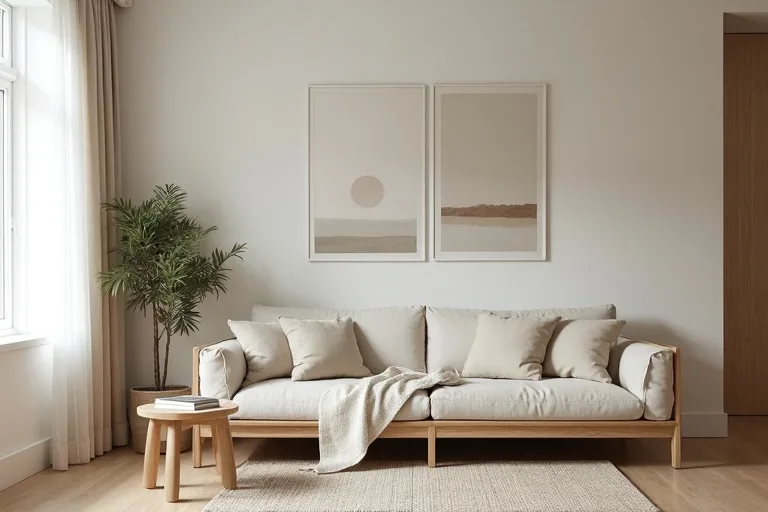
Japandi works because it is calm, not because it is expensive. The style is built on clear lines, restrained colour, natural texture, and a room that feels easy to use.
If you are deciding between a budget refresh and a larger investment, the real question is not how much you spend. It is which parts of the room shape the feeling most, and which parts simply need to be tidy, scaled well, and consistent.
Budget Japandi works best when you focus on layout, light, and a few well-chosen finishes; a bigger investment mainly improves materials, custom fit, and long-term durability.
What makes Japandi feel calm in the first place
Japandi is not built on heavy styling. It depends on a room that feels edited, balanced, and easy to read at a glance. That usually means low visual noise, a limited colour palette, and furniture that sits comfortably in the space without crowding it.
The look comes together when the practical pieces are right. A sofa, chair, or bed that is the wrong size can throw off the whole room. So can curtains that are too short, storage that feels bulky, or wall art that is either too small or too decorative for the setting.
On a budget, this is good news. You do not need to buy everything at once. If the layout is sensible and the core finishes are calm, the room can already feel like Japandi even before you upgrade the materials.

If the room already feels busy, start with the things that remove visual clutter: clear the surfaces, reduce the number of finishes, and check whether your main furniture pieces are the right size for the room. If the room feels plain rather than busy, the next step is usually texture and proportion, not more decor.
How to build the budget version without losing the style
A budget Japandi room usually succeeds through restraint. You are not trying to replicate a showroom. You are trying to create a quiet room with a few strong choices that do most of the work.
Start with the decisions that affect the whole room:
- Choose a soft, muted wall colour and keep the palette consistent.
- Use simple, low-profile furniture with clean lines.
- Keep storage closed where possible so surfaces stay calm.
- Bring in texture through fabric, wood, and one or two natural accents.
This is also where a few smaller purchases can pull more weight than a large shopping list. linen curtain panels neutral can soften a room quickly, while a neutral abstract wall art framed set can give the wall behind a sofa, bed, or console a more finished look without adding visual clutter.
What changes when you invest more
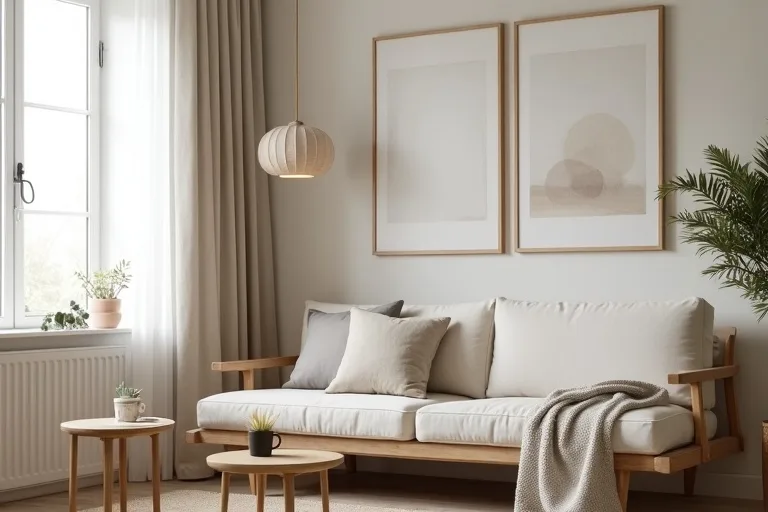
A bigger Japandi budget is less about decoration and more about fit, finish, and durability. The room usually looks more refined because the practical elements are more tailored, not because it has more objects in it.
The biggest differences often show up in the parts you touch and use every day: better upholstery, more durable surfaces, custom joinery, fitted storage, and more precise finishes around windows and walls. Those upgrades reduce the sense of compromise and make the room easier to live with.
If you are planning a bedroom or main living area, the premium version usually makes the most difference when the room has awkward proportions, limited storage, or a need for built-in calm. In those cases, a fitted solution can be more valuable than a collection of separate buys. For bedroom-specific planning, it can help to look at bedroom ideas alongside the broader Design Styles hub so the room plan stays coherent.
Where to save and where to upgrade
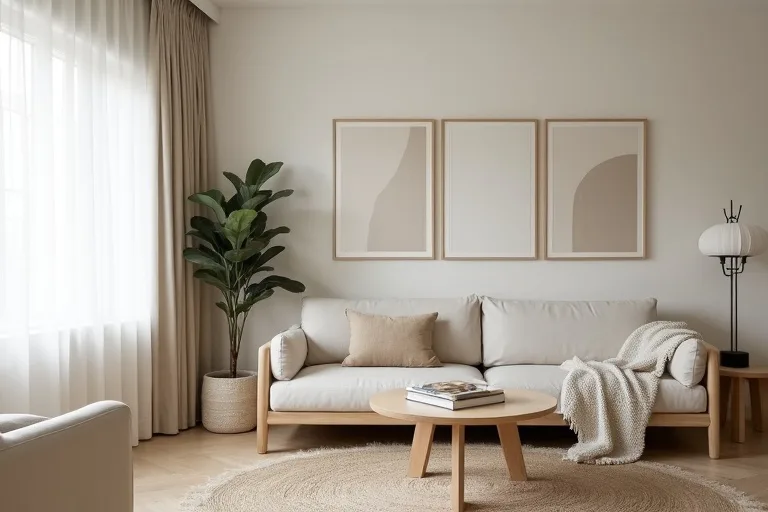
When budget is limited, the safest approach is to save on items that can be changed later and invest in the pieces that shape the room every day. That usually means prioritising structure before styling.
Save on small accessories, decorative layering, and anything that only exists to fill space. Upgrade the parts that affect proportion, comfort, and how polished the room feels when you walk in.
If you are undecided, ask one simple question: will this purchase change the room’s layout, light, or long-term usability? If the answer is no, it is probably a styling item. If the answer is yes, it is more likely worth a bigger share of the budget.
For example, curtains are often worth more attention than people expect. Well-fitted window dressing can change the softness of the room, the sense of height, and the overall finish. A simple update with neutral linen-style panels can be enough for a budget room, while custom tailoring makes more sense when the room needs a cleaner architectural look. The same logic applies to wall art: one restrained framed set usually works better than many small pieces that interrupt the calm.
Best next step
Before you buy anything, map the room and decide what the space actually needs first. A layout check will usually tell you whether you should spend on storage, soft furnishings, or a better-fitted main piece.
- Buying decor before the room layout is settled.
- Using too many finishes, which breaks the calm Japandi look.
- Choosing furniture that is visually light but physically too large for the room.
- Skipping window treatment or storage decisions and expecting accessories to fix the space.
- Spending on trend pieces instead of the elements that shape proportions and daily use.
Budget Japandi can look thoughtful and finished if you get the layout, light, and main surfaces right. A bigger investment mainly buys better fit, better materials, and less compromise. If your room is already proportionally sound, start small. If the room is awkward or busy, spend where the architecture and storage need help first.
Helpful next tools and planners
If you want to make the decision easier before you buy
These are useful if you are trying to turn a Japandi idea into a room plan rather than a loose shopping list. The goal is to confirm what the room needs, then keep only the purchases that support that plan.
FAQ
Can Japandi work in a small room on a budget?
Yes. Small rooms often suit Japandi very well because the style depends on restraint, clear layout, and fewer visual distractions.
What should I buy first for a Japandi look?
Start with the largest pieces and the room’s layout. After that, focus on window coverings, storage, and one or two calm finishing layers.
Is premium Japandi mainly about more decor?
No. It is more often about better materials, cleaner fit, and custom details that make the room feel calmer and more durable.
How do I avoid spending too much too soon?
Plan the room first, then buy in stages. If you know what stays, what changes, and what the room is missing, you can spend with far less guesswork.
Three sensible next steps
Some links in this article may be affiliate links. Read more in the Affiliate Disclosure.