A kitchen refresh can go off track very quickly when the budget is spent on what is easiest to see instead of what is used every day. New accessories, a few trendy finishes, or scattered small purchases can make the room feel busy without improving how it works.
The smarter approach is calmer and more selective. Focus first on the fixes that improve daily use, then decide which visible updates still deserve their place. That usually leads to a better result with less waste.
Focus budget on the fixes you use every day, not cosmetic changes that do little for layout, flow, or function.
Start with the kitchen work you actually use
The most common budget mistake is treating a kitchen refresh like a shopping list of visible updates. In practice, the room is judged by how well it supports cooking, cleaning, storage, and movement. If those basics are still awkward, spending money on decor or mismatched finishes rarely changes the experience.
Begin with the parts of the kitchen that affect daily use. Think about the sink area, prep space, reach to storage, lighting over work zones, and whether worn fixtures are making routine tasks feel harder than they should. A small improvement in one of these areas is often more valuable than several scattered changes.
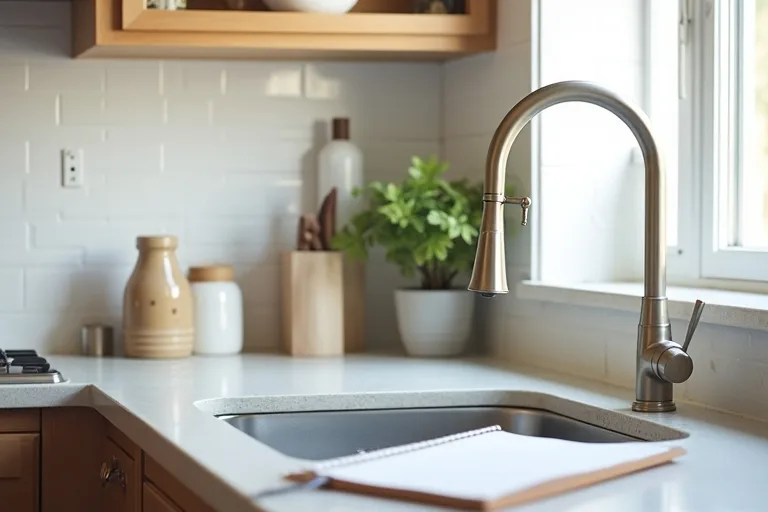
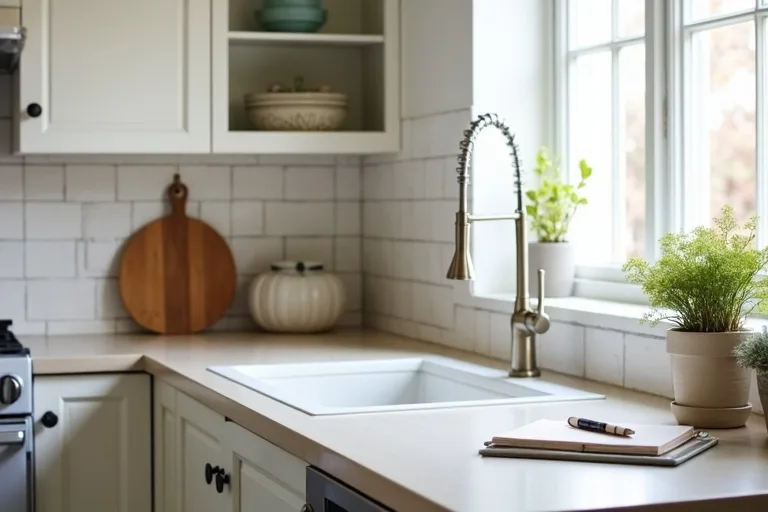
That is also where a simple style refresh can become genuinely useful. A brushed nickel kitchen faucet pull down can be worth considering when the existing faucet is tired, leaky, hard to clean, or awkward to use. It is a visible change, but it also supports daily function, which makes it a better candidate than another decorative purchase.
Ask one simple question before spending: will this change improve how the kitchen works every week, or will it only look different for a while? If the answer is mostly visual, keep it low on the list unless the budget is already secure.
Where low-impact spending usually hides
Low-impact spending often looks harmless because each item seems small on its own. The problem is that several small purchases can quietly consume the budget before the useful work is done.
These are the most common places where money gets lost:
- Random decor bought before the main layout or repair decisions are settled.
- Finish changes that do not resolve a real problem in the room.
- Small accessories chosen before worn fixtures are replaced.
- Trend-led updates that do not match the rest of the kitchen or the home.
- Minor cosmetic swaps made before checking whether the bigger repair is overdue.
For example, a peel and stick backsplash tile kitchen update can be reasonable when you need a cleaner, faster cosmetic lift and the surface is in good condition. It is less useful if the real issue is a damaged wall, poor ventilation, or a bigger layout problem that will still make the kitchen feel unfinished.
If you are trying to stay calm about the budget, look at the kitchen as a sequence of decisions rather than a collection of purchases. Fix what affects use first, then decide what is left for finishes.

How to choose one upgrade that earns its place
When the budget is limited, the best move is usually to choose one meaningful upgrade instead of three small ones. That makes the room feel more resolved and prevents the money from being diluted across purchases that do not add up to much.
A simple decision rule helps:
- If an item improves daily use, keep it on the list.
- If it only changes the look, compare it with a repair or layout fix first.
- If it solves a tired fixture and fits the room, it may be worth doing early.
- If it is purely decorative, wait until the core work is covered.
In many kitchens, a new faucet or hardware update is a better first purchase than several isolated decorative changes because it is used constantly and is easy to feel in the day-to-day routine. By contrast, a backsplash or styling update is only worth elevating if the surrounding surfaces are already in decent shape and the room does not need a bigger correction first.
This is also where layout thinking matters. A room can look refreshed and still work badly if movement, clearances, or the work triangle are not considered. Before choosing materials, it helps to check the wider kitchen plan through the Kitchen & Dining hub and, when the layout is part of the decision, the kitchen island size calculator.
Plan the budget before you buy
The clearest way to avoid waste is to plan the budget around priorities, not products. That means ranking the kitchen refresh by impact first: repairs and daily-use fixes, then durable finishes, then cosmetic extras.
A budget planner can make this much easier because it forces each item to compete for its place. When you write down what each upgrade solves, the less useful purchases become obvious. It also helps you keep room for hidden costs that often appear in a refresh, such as added supplies, minor repairs, or replacement parts.
If you want a more structured starting point, the Home Renovation Budget Planner Spreadsheet (Google Sheets, Excel) can help you compare options before money starts moving. Use it to separate must-do items from nice-to-have changes, then keep the shopping list tied to that order.

Best next step
Before you buy anything, rank the refresh by impact and make sure the budget is supporting daily use first. A simple planner helps you decide what deserves money now and what should wait until the layout and sizing are clear.
- Buying decor before the kitchen’s most-used problem areas are handled.
- Replacing finishes that are not the real source of frustration.
- Choosing several small upgrades instead of one useful change.
- Adding a backsplash or fixture update before checking the condition of nearby surfaces.
- Skipping layout and sizing checks, then spending on products that do not fit the plan.
- Letting trend-driven choices crowd out the practical work the kitchen actually needs.
A smart kitchen refresh budget is not about doing less for the sake of it. It is about spending on the parts of the kitchen that improve daily life first, then using the remaining budget on visible updates that still earn their place. If an item does not improve function, flow, or the overall plan, it should wait until the important work is covered.
Helpful next tools and planners
If you want to make the decision easier before you buy
These picks fit a practical kitchen refresh process: one tool for planning the budget, one product type that is often worth considering when the function is right, and one surface update that can work when the room only needs a lighter cosmetic change.
FAQ
How do I know if a kitchen refresh purchase is worth it?
If it improves a task you do often, it is usually worth stronger consideration than a purely decorative change. The more often the item is used, the easier it is to justify.
Should I replace the faucet before updating the backsplash?
Usually, yes, if the faucet is worn, inconvenient, or leaking. A high-use fixture often deserves priority over a surface change that only affects appearance.
Is peel and stick backsplash tile a good budget option?
It can be, when the surface is suitable and the goal is a lighter cosmetic refresh. It is not the best fix if there is a larger wall, moisture, or layout issue underneath.
What should I plan first in a kitchen refresh?
Start with budget order, then check layout and sizing before choosing finishes. That sequence helps you avoid purchases that look good individually but do not work well together.
Three sensible next steps
Some links in this article may be affiliate links. Read more in the Affiliate Disclosure.