
A kitchen refresh can be a smart way to improve daily life without committing to a full remodel. The catch is that costs can move quickly once you start choosing finishes, fixtures, and surfaces without a clear order.
The easiest way to stay in control is to decide what kind of update you are actually planning, then match the scope to your budget before you start shopping. That keeps the project calmer, more realistic, and much easier to finish.
Start with your budget range, then prioritize the few kitchen changes that improve function most. If the room works but feels dated, focus on high-impact visible updates like a faucet, backsplash, paint, and hardware. If the layout is part of the problem, put more of the budget toward planning and flow before you spend on finishes.
What a kitchen refresh can realistically cover
A kitchen refresh is not one fixed project. At the lighter end, it may only include cosmetic changes that make the space feel cleaner and more current. At the more involved end, it can include better fixtures, updated surfaces, and small layout adjustments that improve how the kitchen is used every day.
That is why the first decision is not which style you like. It is what the room needs most. If cabinets are still solid and the layout works, you can often get a better result by choosing a few visible improvements instead of spreading money across too many minor changes.

In many homes, the best refresh starts with the points you touch every day: the faucet, lighting, drawer hardware, and backsplash. Those are the places where a smaller budget can still feel meaningful, especially when the rest of the kitchen is staying in place.
If you are unsure whether you need a refresh or a remodel, ask one question: does the kitchen mainly need a new look, or does it need a better way of working? A fresh surface can improve the first problem. Only a better plan solves the second.
How to think in low, mid, and premium budgets
The same kitchen can be approached very differently depending on the budget. The point is not to force every project into the same shape, but to decide what level of change is realistic before you commit.
At a low budget, keep the project narrow. Choose a few visible improvements and avoid opening up extra work unless it clearly supports the result. At a mid-range budget, you can usually combine cosmetic updates with a more noticeable fixture or surface change. At a premium level, the goal is usually not just a nicer finish, but a more considered outcome across function, materials, and details.

A simple way to sort the budget is this:
- Protect the essentials first: anything that affects safety, function, or daily use.
- Spend next on the items you see and touch most often.
- Only then add finishing touches that improve the overall look.
This order helps you avoid the common trap of buying decorative pieces before the real decisions are settled. It also makes it easier to stop the budget from drifting upward as soon as you start comparing options.
Where to spend first and where to save
Some kitchen updates are worth paying for because they affect the room every day. Others are better treated as value choices. Knowing the difference helps you spend with more confidence.
A brushed nickel kitchen faucet pull down is a good example of a piece that can sit in the middle ground between practical and visible. It is used constantly, and it changes the feel of the sink area without requiring a full renovation. If you are choosing one upgrade to make the room feel more finished, this is often a sensible place to start.
By contrast, some items are better handled with restraint. A peel and stick backsplash tile kitchen update can work well when the goal is to refresh the look quickly and keep the budget lighter. It is usually more useful as a controlled cosmetic step than as the centerpiece of the whole project.
The best place to save is usually on anything that can be updated later without disrupting the kitchen plan. The best place to spend is on parts of the room that affect use, cleaning, and daily comfort. That is why a refresh often works best when it starts with function and ends with style.
A simple decision order before you buy
If you want to avoid overspending, make each decision in the same order. That keeps the project focused and helps you compare options fairly.
Start with the layout. Even a refresh can benefit from better circulation, better work zones, or a more sensible island size. If you are considering changes around an island or prep area, the kitchen island size calculator can help you think through fit before you commit to purchases.
Next, decide on the fixture level. A faucet, sink area, and hardware set the tone for how polished the kitchen feels. After that, choose the surfaces that will have the biggest visual impact, then finish with paint, accessories, and small details. If you need broader ideas for how the kitchen connects to the rest of the home, the kitchen dining hub is a useful place to continue planning.
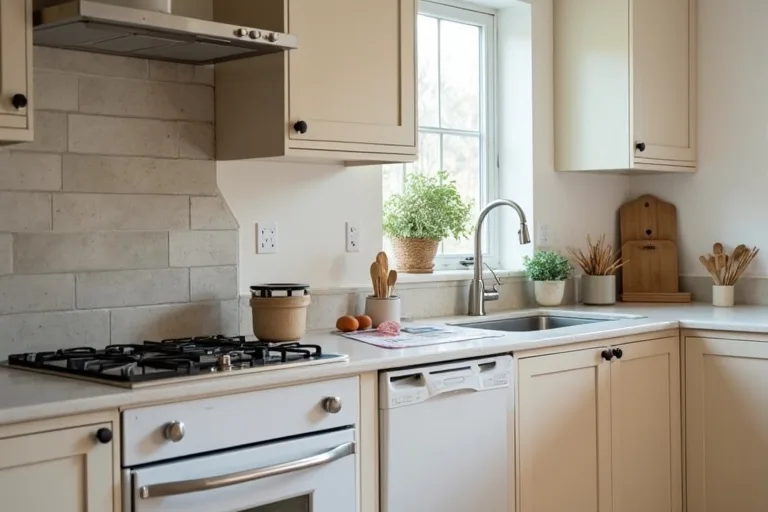
When you put the decisions in that order, the budget feels less random. You can see what the project is really trying to solve, and you can decide whether the next dollar should go to a fixture, a surface, or a layout improvement.
Best next step
Before you buy anything, map the project on paper so you can see the real cost of the refresh. A simple planner makes it easier to separate essentials from nice-to-haves and helps you stay inside your chosen spending level.
- Starting with shopping instead of deciding the budget range first.
- Spending on decorative items before the fixture and layout choices are settled.
- Trying to stretch a low budget across too many small upgrades.
- Choosing finishes that look good alone but do not work well together in the actual room.
- Skipping the planning step and assuming the kitchen will feel finished once the products arrive.
A kitchen refresh works best when the budget comes first and the shopping comes later. Decide whether you need a light cosmetic update, a mid-range refresh, or a more complete premium improvement, then spend first on the pieces that shape daily use. That approach keeps the project calmer, protects your budget, and makes the final result feel more intentional.
Helpful next tools and planners
If you want to make the decision easier before you buy
These are practical next steps if you are still comparing options and want a clearer plan before choosing products.
FAQ
How do I know whether my kitchen needs a refresh or a remodel?
If the layout works and the main problem is how the kitchen looks or feels, a refresh is usually enough. If movement, storage, or workflow are the problem, the project may need more planning than new finishes alone can solve.
What should I spend money on first in a kitchen refresh?
Start with the items that affect daily use most: faucet, sink area, lighting, and any surface that changes how the room functions. After that, move to finishes and visual details.
Is a peel and stick backsplash a sensible budget choice?
It can be a practical cosmetic update when you want a faster refresh and do not want to commit to a larger surface project. It works best when the rest of the kitchen already feels coherent.
What is the best next step if I am still unsure of my budget?
Use a budget planner spreadsheet to list your likely costs before you start buying. That gives you a clearer picture of what fits and what should wait.
Three sensible next steps
Some links in this article may be affiliate links. Read more in the Affiliate Disclosure.