
A good living room layout usually solves the room before it tries to style it. When the flow works, the furniture feels calmer, the space is easier to use, and you avoid buying pieces that look fine in a cart but not in the room.
The easiest way to start is with the room’s shape, the walk paths, and the largest furniture pieces. Once those are settled, the rest of the room becomes much simpler to plan.
Start with the room shape, traffic flow, and your largest pieces before choosing styling or decor. If you map the seating zone first, it becomes much easier to decide sofa size, rug size, side tables, and whether the room needs one focal point or a more flexible arrangement.
Start with the room shape and traffic flow
The first question is not where the decor should go. It is how people will move through the room. In most homes, the best layout leaves a clear path from one opening to another without forcing anyone to squeeze around the coffee table or cut through the middle of the seating area.
Measure the room, then mark doors, windows, radiators, built-ins, and any places where people naturally enter or exit. Those fixed points matter more than a style idea because they determine what can actually fit without creating daily friction.
If you want a simple planning step before moving furniture, the room layout planner is a useful place to test the room on paper first. It helps you see the shape of the space before you commit to moving heavy pieces around.
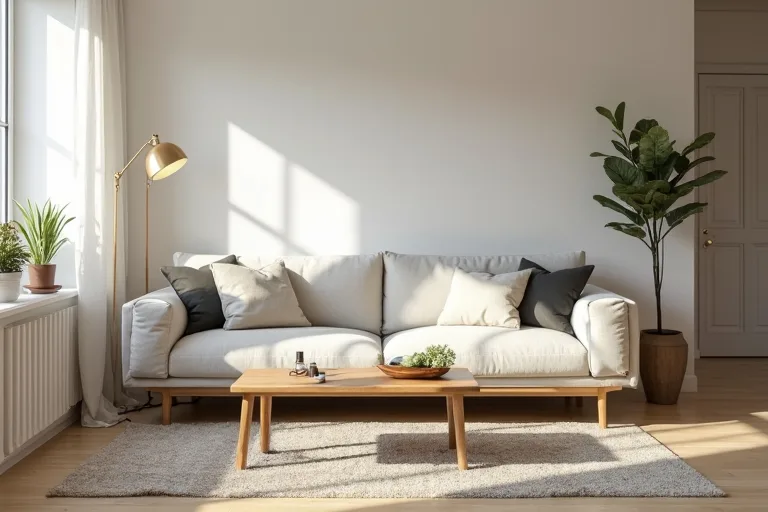
If the room feels crowded, the problem is usually not the sofa alone. It is often a mismatch between walk paths, furniture depth, and the amount of open floor left between the main pieces. Before you buy anything, ask whether the room needs more clearance or simply fewer pieces.
Place the sofa first and build around it
In many living rooms, the sofa is the anchor piece. Once it is placed well, the rest of the layout becomes easier to judge. The goal is not to force the sofa against a wall by default, but to place it where it supports the room’s main use without blocking movement or shrinking the seating zone.
Think about what the room needs to do most often. A family room may need conversation seating. A media room may need a clear view of the TV. A more flexible living room may need a layout that feels open enough for reading, work, or quiet time. The sofa placement should support that main purpose first.
If you are unsure about proportions, compare the sofa with the room before ordering. A seating plan that looks balanced on a product page can feel oversized once you add circulation space, tables, and a rug. For a more exact check, the sofa size calculator can help you think through scale before you buy.
- Decide where people should enter and walk through the room.
- Place the sofa where it supports the main conversation or viewing angle.
- Leave room for side tables and comfortable movement around the edges.
- Add chairs only if they improve use, not just because there is empty space.
Get rug, table, and TV spacing right
Once the sofa is placed, the next decisions are usually the coffee table, rug, and TV. These pieces affect how finished and usable the room feels, but they also control how cramped or relaxed the layout becomes.
A rug should anchor the seating area rather than float too small in the middle. If the rug is undersized, the whole room can feel disconnected. If it is too large for the room, it can crowd circulation. The same idea applies to the coffee table: it should be easy to reach without making the room awkward to cross.
If you are choosing a rug after planning the furniture, the rug size calculator is a sensible next step. It helps connect the seating arrangement to the rug size, which is often where living room layouts become either calm or messy.

If the rug needs extra stability on a smooth floor, this is also the point where a non slip rug pad can make a quiet difference. A non slip rug pad 8×10 is often the type of purchase people make after the layout is settled, not before.
Adapt the layout for small, narrow, or open-plan rooms
Small rooms usually need fewer pieces and more discipline around scale. Narrow rooms need a clear path and furniture that does not block the longest line of sight. Open-plan spaces need stronger boundaries so the living area does not drift into the dining or kitchen zone.
In a small room, a floating sofa can sometimes work better than pushing everything against the walls, especially when it helps define a clear seating area. In a narrow room, slimmer chairs, a lighter coffee table, and wall-mounted storage may create more breathing room. In an open-plan layout, a rug, sofa back, or lamp placement can help create a visual edge without adding a physical barrier.
Lighting can also support the layout. A pair of table lamps can help a seating area feel intentional once the furniture is in the right place, especially if the room needs balance on both sides of the sofa. If that is part of your plan, a table lamps set of 2 living room can be a practical finishing step after the main layout is confirmed.
Best next step
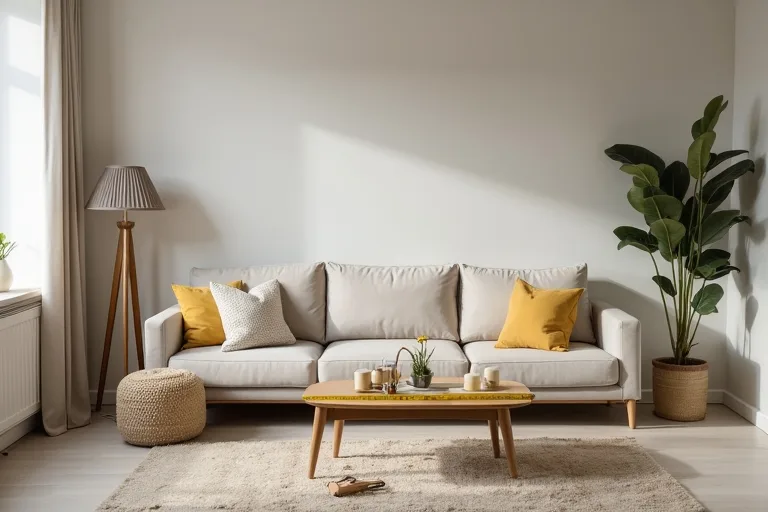
If you are still moving pieces around in your head, use a layout tool before you buy anything else. It is much easier to adjust spacing on screen than after delivery day.
- Choosing decor before the furniture layout is settled.
- Blocking walkways with a coffee table or chair.
- Buying a sofa before checking room depth and circulation space.
- Using a rug that is too small to anchor the seating area.
- Adding too many pieces just because the room has open floor space.
- Ignoring how the room is used in everyday life, not just how it looks in a photo.
The best living room layout is the one that makes the room easier to use every day. Start with traffic flow, place the sofa with purpose, then size the rug and tables around that plan. If you want the room to feel calmer before you buy, map it first, check the rug size second, and only then move into styling choices.
Helpful next tools and planners
If you want to make the decision easier before you buy
These are most useful after you have a basic layout idea. They help you confirm spacing, compare options, and avoid the kind of purchase that looks right online but feels wrong in the room.
FAQ
What should I decide first in a living room layout?
Start with the room shape, traffic flow, and the largest furniture piece, usually the sofa. That gives every other choice a clear reference point.
Should a sofa always go against the wall?
No. A sofa can sit against a wall, float in the room, or help divide an open space. The best position depends on movement, scale, and the main use of the room.
How do I know if my rug is the right size?
The rug should anchor the seating area and feel connected to the furniture, not like a small island in the middle of the room. A rug size calculator can help narrow it down.
When should I use a room layout planner?
Use it before buying large pieces or rearranging the room. It is especially helpful if the space feels tight, awkward, or open in too many directions.
Three sensible next steps
Some links in this article may be affiliate links. Read more in the Affiliate Disclosure.