
If a living room feels awkward, the problem is often layout, not style. Before you buy a new sofa, rug, or lamp, it helps to step back and see how people actually move through the room.
Good flow makes a room feel larger, calmer, and easier to use. A few simple layout checks can save you from replacing things that were never the real issue.
Start by mapping traffic paths, anchoring the seating area, and checking rug and furniture size before buying anything. If the walkway feels cramped or the seating floats without a clear anchor, the room will usually feel unsettled no matter how nice the furniture is.
1. Map the room before you move furniture
The fastest way to improve a living room is to look at how people enter, pass through, and sit in it. A layout should support movement first and styling second. That means identifying the main route through the room, any secondary paths, and the spots where furniture is interrupting both.
Start with the biggest shapes in the room rather than the decor. Mark the sofa, windows, doors, fireplace, TV, or radiators if they affect placement. Then ask a simple question: can someone walk through the room without turning sideways or skimming the edge of every piece?
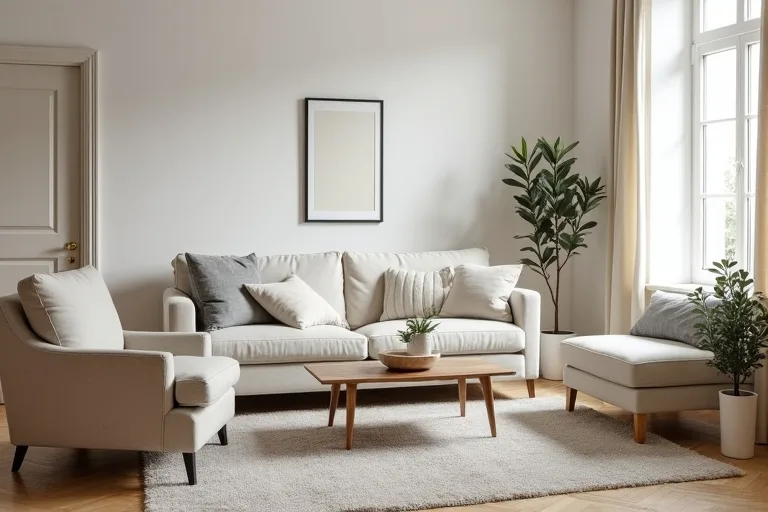
If the answer is no, the room probably needs a better furniture relationship, not more furniture. In many homes, simply pulling pieces away from the walls a little, reducing the number of side tables, or shifting the sofa to define a clearer path makes the room feel noticeably easier to use.
If the room only works when you squeeze past the coffee table or squeeze between the sofa and wall, the layout is fighting the room. Fix the path first. Style details can wait.
2. Choose a seating layout that matches the room shape
There is no single best seating layout. What works depends on the shape of the room, where the focal point sits, and how many people need to use the space at once. The goal is to create a conversation area that feels connected without blocking movement.
A few common arrangements solve most living rooms:
- Floating sofa layout: useful when the room is long or when a sofa against the wall would block circulation.
- L-shaped arrangement: works well in open-plan rooms or when one side of the room needs to support conversation and another needs a clear path.
- Balanced facing layout: helpful in square rooms where two chairs and a sofa can create a grounded seating zone.
- Corner-anchored layout: often the best choice in compact rooms, especially when windows or doors limit the available walls.
Think about how the room is used day to day. A layout for quiet reading may be different from one that needs to work for family TV time and guests. If the room has to do several jobs, keep the main path open and let the seating flex around it rather than forcing everything into one tight cluster.
3. Use the rug to anchor the plan
A rug does more than add softness. It defines the seating zone and helps the room feel intentional. When the rug is too small, the furniture can look disconnected. When it is placed poorly, it can break the flow instead of improving it.
The easiest way to think about rug placement is to treat it as the base of the seating area. The front legs of the sofa and chairs should usually relate to the rug in a clear, consistent way so the furniture feels grouped together. If the rug is too far from the main seating, the room can look like separate parts instead of one complete plan.
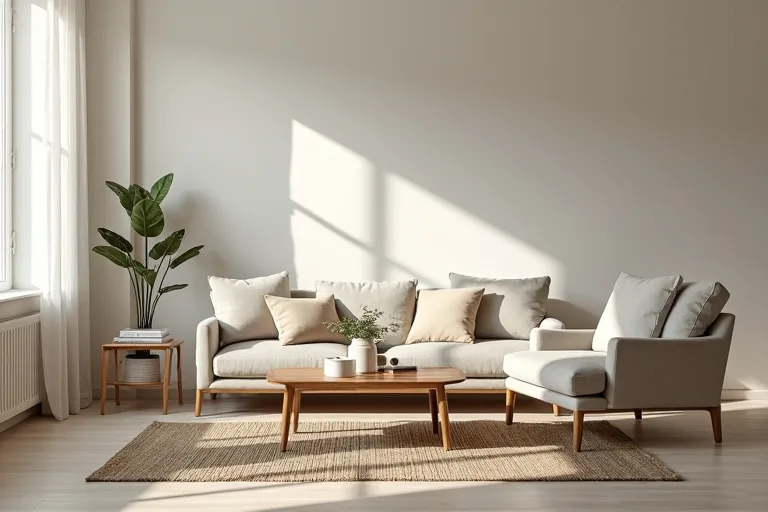
This is where planning before buying becomes useful. If you are unsure about rug size, use a room-specific tool rather than guessing. Styling Homes’ rug size calculator can help you confirm whether the rug will support the seating arrangement you already have in mind. Once the size is clearer, it becomes much easier to choose whether a rug pad is worth adding for stability and comfort.
4. Check spacing before you spend on lamps, tables, or extras
Small items can quietly make a room work better or worse. A side table that is too deep, a lamp that crowds the table edge, or a coffee table that blocks legroom can make a good layout feel awkward. Before buying anything new, look at the space around the sofa, chair arms, and walking line.
Use the furniture you already own as your guide. If the side table needs to sit close enough for a lamp and a drink, but not so close that it blocks movement, that spacing decision matters more than the style of the table itself. The same is true for lighting: a pair of table lamps can help balance the room, but only if the tables they sit on do not overload the layout.
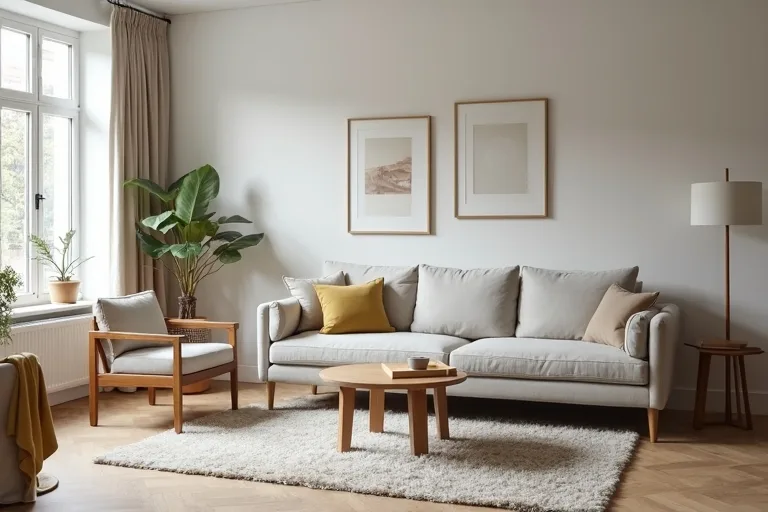
If you are planning purchases, it helps to confirm the room first and then shop with a purpose. The layout decides whether a new lamp, table, or rug will support the room or simply add more clutter. A small purchase is only helpful when the overall spacing already makes sense.
Best next step
Before you buy a sofa, rug, lamp, or table, map the room and confirm the spacing. A simple plan now is usually cheaper and calmer than correcting a crowded layout later.
- Buying furniture before checking traffic paths
- Using a rug that is too small for the seating area
- Pushing every piece against the wall and still ending up with a cramped route
- Adding side tables or lamps without checking clearance
- Ignoring the room’s main focal point and forcing the sofa into the wrong position
- Choosing style details before the room has a clear layout
The best living room layout is the one that makes movement easy, seating feel connected, and the rug work as an anchor. If those three things are right, almost every purchase becomes easier to judge. Start with the room plan, then choose the pieces that support it.
Helpful next tools and planners
If you want to make the decision easier before you buy
These tools and planning items fit the same decision-first approach: confirm the layout, check the sizes, and only then move on to shopping for the pieces that support the room.
FAQ
How do I know if my living room layout is wrong?
If the room feels crowded, the walkways are awkward, or the seating does not relate well to the rug and focal point, the layout probably needs adjusting before you buy anything new.
Should the sofa always go against the wall?
No. In some rooms, floating the sofa helps open the traffic path and creates a better seating zone. The right choice depends on the shape of the room and where people enter.
What should I measure first when planning a living room?
Start with the full room dimensions, door swings, window positions, and the clear path people need to use the room comfortably. Then check the size of the main seating pieces and rug.
When should I buy a rug pad or lamp?
After the layout is clear. A rug pad makes more sense once the rug size and placement are decided, and lamps should only be chosen after you know where tables and seating will sit.
Three sensible next steps
Some links in this article may be affiliate links. Read more in the Affiliate Disclosure.