
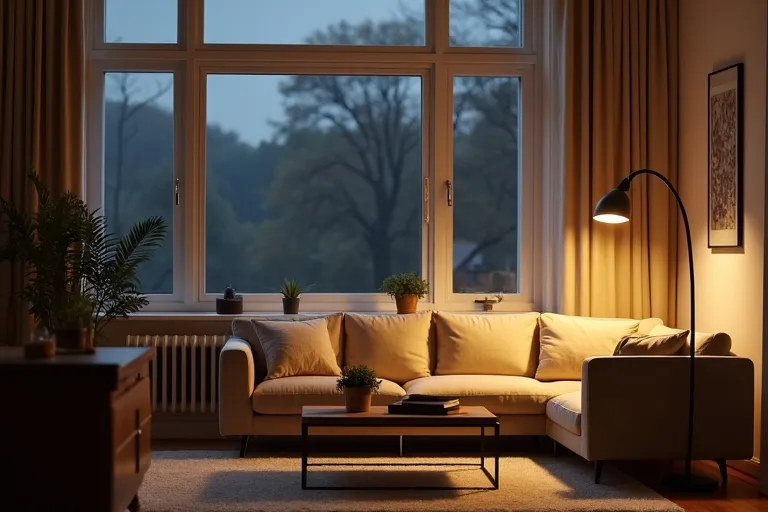
Living room lighting is easier to buy when you know what problem you are trying to solve. A room that feels too dim needs a different fix from one that is bright but uneven, and both are different again from a space that looks fine by day but feels flat at night.
This checklist keeps the decision simple. Before you choose a lamp, fixture, or bulb, look at the room in use, the furniture placement, the outlets, and the scale of each piece so the light supports the room instead of fighting it.
Check the room’s layers, scale, and bulb needs before you buy anything. If you plan the ambient layer first, then add task and accent light where the room actually needs them, you are far less likely to end up with a lamp that looks good in the cart but works poorly at home.
Start with the lighting problem, not the product
The fastest way to make a better choice is to name the problem clearly. Is the living room too dark overall, harsh in one corner, or full of shadows because the ceiling light does all the work? Each version points to a different fix.
If the room feels cold or flat at night, you usually need an ambient layer that softens the space first. That might mean a floor lamp, table lamps, or a ceiling fixture paired with warmer supporting light. If the room is already bright enough but the seating area feels uneven, you may only need one or two targeted additions rather than a full lighting reset.
It also helps to look at the room as part of the larger layout. Furniture placement, traffic flow, and outlet locations all affect what will work well. If you are still adjusting the arrangement, the room layout planner is a useful place to start before you commit to any lamp or fixture.
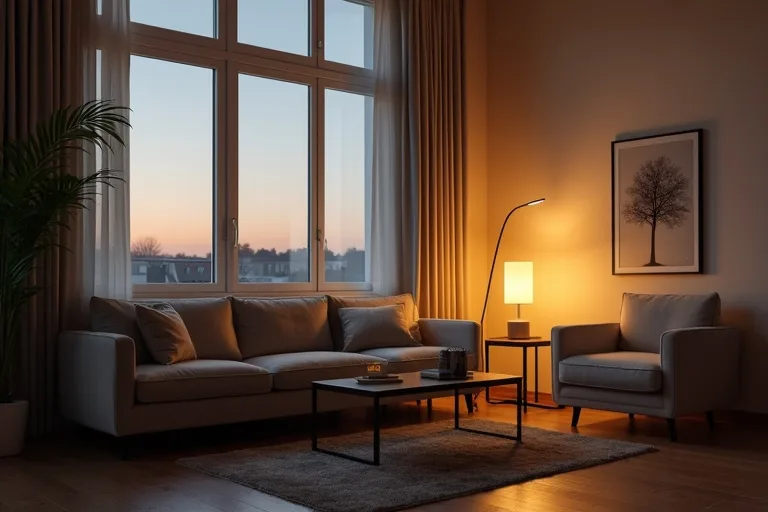
Before you shop, write down the one thing the room needs most at night: more overall brightness, better task light for reading, softer background light, or a more balanced mix of all three. That single sentence will narrow your choices faster than browsing product categories.
Check how the room works at night
Living room lighting should match what actually happens after dark. A room used for reading, watching TV, hosting, or quiet conversation may need different light zones, even if the furniture stays the same.
Walk through the space in the evening and notice where you sit, where you need light, and where glare becomes annoying. A lamp placed for atmosphere may not help a reading chair. A bright overhead fitting may make the room functional but still feel hard to relax in.
A simple order of priorities can keep the plan practical:
- Decide where the room needs gentle general light.
- Mark the places that need focused task light, such as reading spots.
- Look for corners or surfaces that could benefit from a softer accent layer.
- Check which areas already receive enough daylight or spill light from other rooms.
Once you understand those zones, you can see whether a modern arc floor lamp, a pair of table lamps, or a ceiling fixture will actually solve the problem. If your furniture arrangement is still changing, the room layout planner can help you place lighting with the rest of the room in mind.

Match scale, bulb type, and placement before you buy
Many lighting mistakes happen because the room and the product are judged separately. A lamp can look right on its own and still feel too small beside a large sofa, too tall next to a low table, or too bright for the mood you want.
Start with scale. Floor lamps should relate to the height of the furniture around them, while table lamps should sit comfortably with the side table and nearby seat. A lamp that is visually heavy can crowd a compact room, while one that is too slight may disappear and leave the room feeling unfinished.
Then check the bulb. Brightness, warmth, and beam direction matter more than many people expect. Softer, warmer bulbs tend to feel more relaxed in living areas, while cooler or overly bright bulbs can make the room feel sharper than intended. If you want an easier way to judge layout balance before buying decor, the rug size calculator can also help you confirm whether the room’s proportions already feel balanced.
Finally, think about placement and access. Can the lamp reach the outlet without a visible tangle? Is the switch easy to use from the sofa? Will the fixture interrupt walking space? These small checks often decide whether a lighting choice feels calm or annoying in daily use.
Choose what to buy first, then keep the order simple
If the room needs an ambient layer that softens the space fast, begin with the most flexible pieces. A floor lamp often gives you the quickest improvement because it can add light without rewiring, and it can usually be moved if the layout changes. Table lamps are useful when you want a gentler glow on side tables or consoles, especially in rooms that already have enough overhead light but still feel flat in the evening.
If you prefer a more built-in solution, a ceiling fixture or hardwired light may be the right long-term answer, but it is worth confirming the layout first so you do not choose a fixture that feels wrong for the room’s proportions. A home planner can make that sequence easier. The room layout planner is a sensible next step before spending money on multiple lights.
For readers who want a simple planner alongside the purchase plan, the Room Makeover Planner, Home Layout Budget Spreadsheet (Digital Download) can help keep lighting decisions tied to the rest of the room update. If you are only buying one or two lighting pieces, the modern arc floor lamp for living room and a table lamps set of 2 living room are the kind of flexible options that fit many common layouts when the scale is right.
Best next step
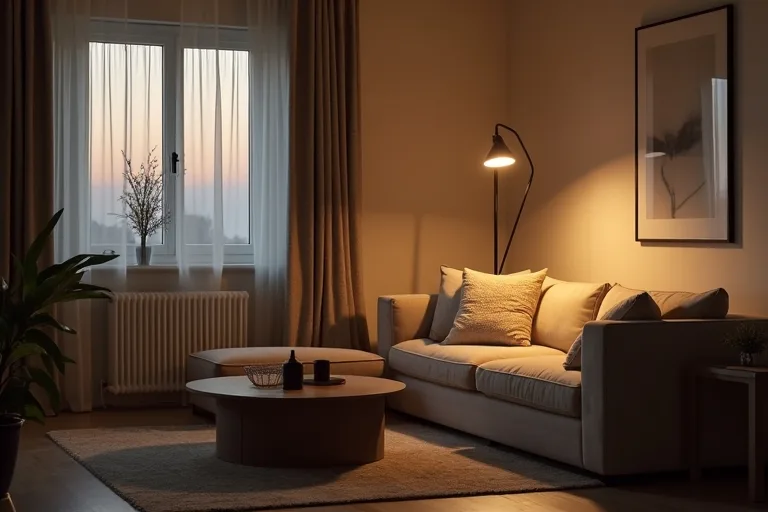
Before you buy anything, place the furniture plan first and then test where lighting can land without blocking traffic or crowding the room. That makes it much easier to choose between a floor lamp, table lamps, or a ceiling light with confidence.
- Buying a lamp before checking where the room actually feels dark.
- Choosing a fixture that is too large or too small for the furniture around it.
- Ignoring outlet access and ending up with awkward cords.
- Mixing bulb tones that make the room feel patchy instead of calm.
- Using one strong light source when the room would work better with layered light.
Good living room lighting starts with the room’s real use, not with a product listing. Check the layers, scale, bulb type, and placement first, then buy the light that solves the problem most cleanly. If you do that, the room will feel softer, easier to use, and much more settled at night.
Helpful next tools and planners
If you want to make the decision easier before you buy
A small planning step can prevent a lot of second-guessing. These tools and products are most useful when you want to check layout, budget, and scale before choosing lighting.
FAQ
How do I know if my living room needs a floor lamp or table lamps?
If the room needs light beside seating or in an open corner, a floor lamp is often the easier fix. If you want softer light near a sofa, console, or side chair, table lamps may be the better fit.
What bulb type works best in a living room?
Most living rooms feel calmer with a warm, comfortable bulb rather than a harsh bright one. The best choice depends on how the room is used, but the goal is usually soft, even light that does not feel stark.
Should I choose lighting before or after arranging the furniture?
Arrange the furniture first if you can. Once the layout is clear, it is much easier to see where light is missing and what size lamp or fixture will actually work.
What is the biggest mistake people make when buying living room lighting?
They often choose the product before checking scale, outlet access, and the room’s real night-time needs. That usually leads to lighting that looks fine in theory but feels awkward in daily use.
Three sensible next steps
Some links in this article may be affiliate links. Read more in the Affiliate Disclosure.