
A master bedroom feels easier to live with when the big decisions are made in the right order. The mistake most people make is filling the room with furniture and decor before they have checked the layout, traffic flow, and storage needs.
If you want a calmer result, start by planning the room as a whole. Once the bed position, clear walkways, and hidden storage are sorted, the rest of the choices become simpler and far less expensive to correct.
The biggest mistake is choosing furniture and decor before confirming the room layout, storage needs, and traffic flow. Get the bed position, side tables, and storage plan right first, then buy only what fits the space.
Start with the room plan, not the shopping list
The easiest way to overspend on a bedroom is to begin with individual pieces instead of the full room. A bed might look perfect online, but if it blocks a doorway, forces awkward movement, or leaves no room for storage, it will feel wrong every day.
Good master bedroom planning starts with the room itself: where the bed can sit, how you move around it, and what you need the room to do beyond sleeping. In many homes, the best layout is the one that leaves the cleanest circulation and the fewest visual interruptions.
That is where a planning tool can help before you buy anything. A simple layout check makes it easier to compare options and see whether the room can handle a larger bed, wider nightstands, or more discreet storage without making the space feel crowded.

Before buying, ask one question: does this piece improve the room plan, or does it only fill a blank wall? If it makes walking harder, adds visual clutter, or creates a storage problem, it is the wrong choice no matter how good it looks online.
Get the bed, nightstands, and walkways to scale
One of the most common master bedroom mistakes is choosing furniture that is technically stylish but not properly sized for the room. A bed that dominates the space can make a decent-sized room feel tight. Too-small nightstands can make the bed area look unfinished and leave nowhere to keep essentials. Oversized pieces on both sides can make access difficult.
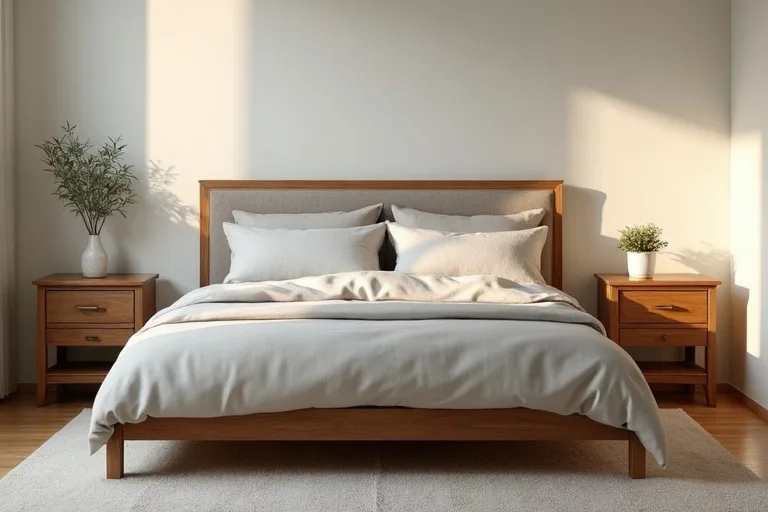
Nightstands are especially easy to misjudge because they affect both comfort and balance. A nightstands set of 2 bedroom can work well when the room needs visual symmetry, but only if the size is right for the bed and the open floor space around it.
A simple order of decisions helps:
- Confirm where the bed can sit without blocking doors or windows.
- Check how much walkway space you need on each side.
- Select nightstands that suit the bed height and room width.
- Only then decide whether you have room for extra seating or a storage bench.
Plan hidden storage before clutter starts building
Bedrooms often lose their calm feeling not because they are badly styled, but because storage was never planned properly. When there is no place for seasonal bedding, extra pillows, chargers, books, or off-season clothing, those items end up visible on chairs, floors, and bedside surfaces.
Hidden storage works best when it is built into the layout early. Under-bed storage is one of the simplest ways to gain capacity without adding visual clutter, especially in rooms that already feel full. A set of under bed storage containers with wheels can help if the bed frame allows easy access and you want to keep bulky items out of sight.
If you are mapping a room from scratch, a planning sheet can also help you think through what needs to be stored before furniture is chosen. That matters because once the bed and nightstands are in place, storage options become more limited.
If you want a clearer way to organise those decisions, the Room Layout Planner is a useful next step before buying anything else.
Best next step
Use a room planner before you commit to bedroom furniture. It helps you check sizing, circulation, and hidden storage needs in one place, so you can avoid buying pieces that look right but work badly in the room.
Do not let lighting, rugs, and styling fight the layout
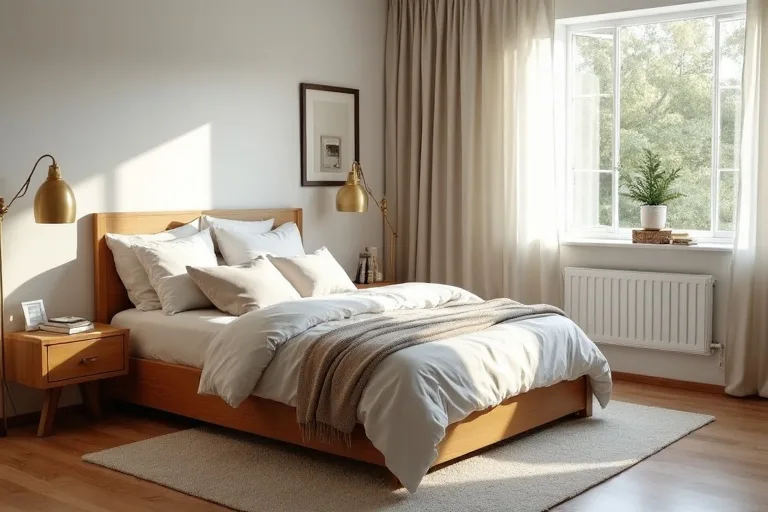
Once the room is properly sized and stored, the final mistakes are usually visual ones. Lighting that is too dim or too harsh makes a bedroom feel less restful. A rug that is too small can make the furniture arrangement look accidental. Too many decorative items can turn a calm room into a busy one.
The most useful approach is to let the layout lead and keep styling restrained. Choose lighting that supports reading and soft evening use. Pick a rug size that makes sense for the bed and the visible floor area. Keep surfaces clear enough that the room feels easy to maintain, not just nice for a photograph.
Calm bedroom styling is less about adding more and more layers, and more about removing the pieces that interrupt the plan. When the room already works, small changes carry more weight.
- Buying a bed before checking whether it leaves enough walking space on both sides.
- Choosing nightstands that are too large, too small, or mismatched to the room scale.
- Ignoring hidden storage and then relying on visible surfaces to hold everyday items.
- Using a rug that is too small to anchor the bed area.
- Adding too many decorative pieces before the room has a clear layout.
- Skipping the planning stage and trying to fix poor proportions later with styling.
The best master bedroom decisions are usually made before you shop. If you confirm the layout, check sizing, and plan hidden storage first, the room will feel calmer, easier to use, and much less cluttered over time.
Helpful next tools and planners
If you want to make the decision easier before you buy
These options are most useful when you are at the planning stage and want to reduce guesswork before ordering furniture or storage pieces.
FAQ
What should I plan first in a master bedroom?
Start with the bed position, traffic flow, and storage needs. Those decisions shape everything else, including nightstands, lighting, and rug size.
How do I know if my bed is too big for the room?
If it blocks movement, crowds the nightstands, or leaves very little clear floor space, it is probably too large for that layout.
Is hidden storage really worth prioritising?
Yes, especially in a master bedroom. Hidden storage keeps everyday items accessible without adding visual clutter to the room.
What is the simplest way to avoid decorating mistakes?
Keep styling secondary to the layout. Once the room works well, add only the pieces that support the calm, practical feel you want.
Three sensible next steps
Some links in this article may be affiliate links. Read more in the Affiliate Disclosure.