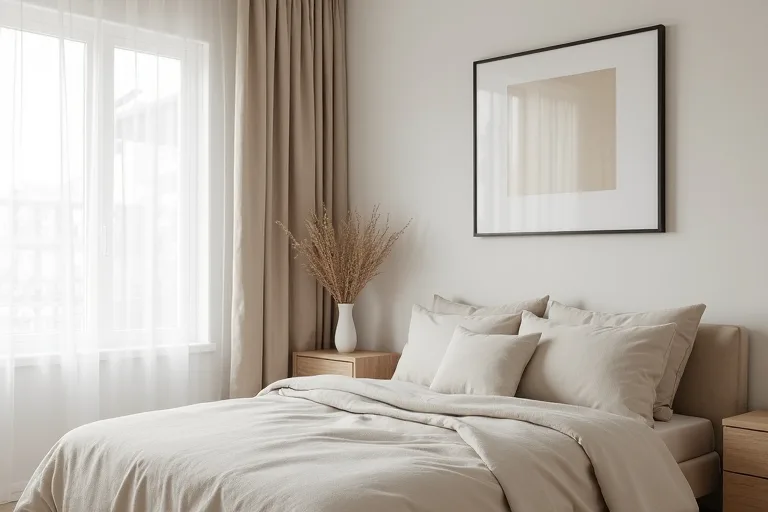
Minimalist rooms look simple when the planning is clear. The trouble starts when shopping comes first and the room plan comes second.
If you want a calm result, the safest move is to decide what the room needs to do, how much space it really has, and which few pieces deserve attention. Then every purchase has a job.
Check layout, scale, color, and function first—then buy only the pieces that support the room plan.
Start with what the room needs to do
Minimalist interior design is not about removing everything. It is about keeping only what supports the room’s purpose and leaves enough visual rest around it. A bedroom needs a different mix of furniture, storage, and softness than a living room or home office.
Before you buy any signature piece, define the basic use of the room. Ask what must be stored here, how people will move through it, and where the main focal point should sit. If the room already feels crowded, the best design choice may be fewer items, not different ones.
For a bedroom-specific starting point, it helps to compare your plan with the practical guidance on bedroom ideas. If you are still deciding which style direction fits the room, the broader design styles hub is a good place to narrow the options before buying.
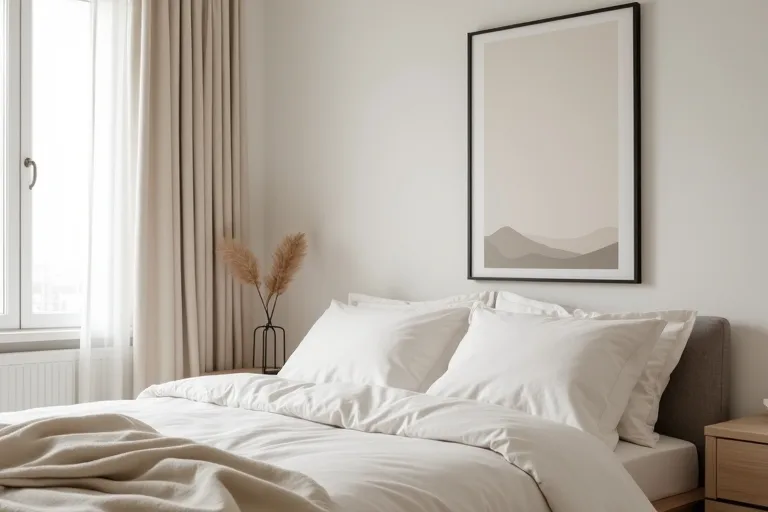
If the room does not yet have a clear furniture layout, do not buy a statement piece to solve that problem. Minimalist style works best when the bigger pieces are placed first and the decorative pieces finish the room, not rescue it.
Check layout, scale, and negative space
Minimalist rooms can look unfinished when furniture is too small, too many objects are competing for attention, or there is no open space left between pieces. The point is not emptiness. The point is control.
Use a simple order of decisions:
- Place the largest pieces first.
- Check that circulation paths stay clear.
- Look at empty wall and floor space as part of the design.
- Only then add one or two supporting decor items.
A sofa, bed, dresser, or dining table should feel proportionate to the room. If a signature piece is visually strong but the rest of the room is already busy, it will read as clutter instead of style. That is why planning tools matter. A layout check is usually more useful than a shopping list.
If you want a more structured next step, the room layout planner can help you test spacing before you commit to a purchase. For rooms where storage is part of the problem, the small spaces and storage hub can also help you reduce visual overload.
Decide on the few finishes that matter
Once the room layout feels right, minimalist style depends on restraint in the details. That does not mean the space should feel flat. It means texture, material, and color should do the work instead of extra objects.
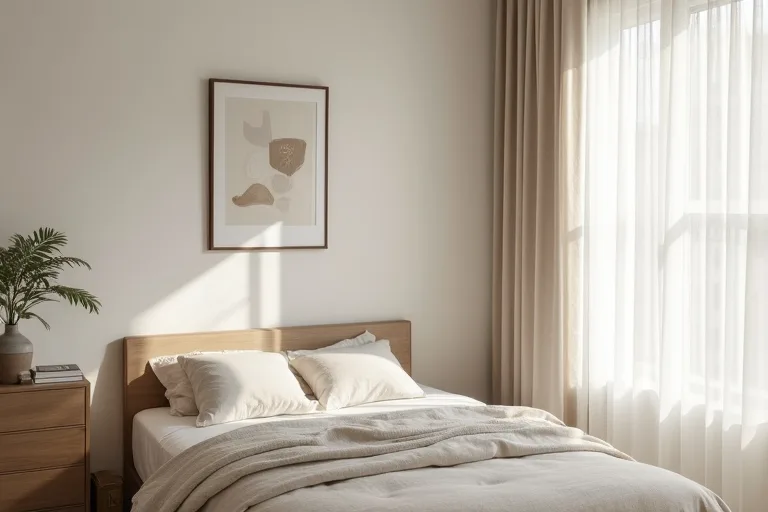
Start with a neutral base and repeat it across the room in a few different finishes. Linen, wood, matte paint, woven texture, and simple framed art can create enough interest without breaking the calm. The goal is a room that feels finished from a short distance and still feels comfortable up close.
Two practical signature pieces often make sense here: linen curtain panels neutral and neutral abstract wall art framed set. These work best when the rest of the room is already balanced, because they add softness and structure without creating visual noise.
If you are not sure whether the room is ready for those purchases, a simple planning tool can be more useful than another decor browse. The tools page is a good starting point, and a budget-conscious room makeover planner such as the Home Planning System Bundle, Room Makeover, Small Space, Budget Tool (Digital Download) can help you organize choices before checkout.
Make the buy or no-buy decision with confidence
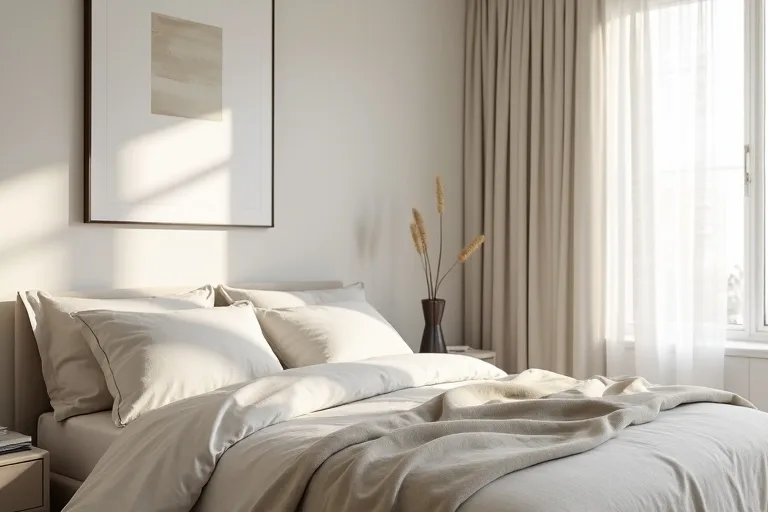
At this stage, the question is no longer whether the item fits the style in theory. The real question is whether it improves the room you already planned. If the answer is unclear, wait.
Use this final check before buying signature pieces:
- Does the room already have a clear layout?
- Is the piece the right scale for the room and the surrounding furniture?
- Does it support the neutral palette instead of competing with it?
- Will it reduce visual clutter or add to it?
- Would the room still work well if you skipped this item?
If you can answer yes to the first four and still feel fine about skipping the fifth, the piece is likely a good fit. That is the minimalist test: usefulness first, styling second, shopping last.
Best next step
If you want to make the decision easier before you buy, start with a layout or style check rather than a cart. The most useful next move is to confirm sizing, flow, and room direction first.
- Buying a signature piece before the room layout is settled.
- Choosing furniture that is too small for the space, which makes the room feel scattered.
- Adding too many finishes, which cancels out the calm minimalist effect.
- Using plain surfaces without texture, which can make the room feel unfinished.
- Confusing empty space with bad styling instead of treating it as part of the design.
Minimalist design gets easier when you stop shopping from the outside in. Confirm the layout, keep the palette restrained, choose texture carefully, and buy only the pieces that improve the room’s function and balance. If the room is not ready, pause and plan first.
Helpful next tools and planners
If you want to make the decision easier before you buy
These options are most useful when you want a calmer room plan, a better sense of scale, or a simple way to organize your choices before you spend money.
FAQ
What makes a piece feel minimalist instead of just plain?
It usually comes down to proportion, restraint, and finish. A minimalist piece supports the room without pulling attention away from everything else.
Should I buy decor or furniture first?
Furniture and layout first. Decor works best after the room’s main functions and circulation are already clear.
How many signature pieces does a minimalist room need?
Usually fewer than people expect. One or two well-chosen items often do more than several small ones.
What if my room feels empty?
Check whether it is truly empty or just under-furnished. Often the solution is better scale, texture, or placement rather than more objects.
Three sensible next steps
Some links in this article may be affiliate links. Read more in the Affiliate Disclosure.